Bandhan Bank shares fall 10% after RoA guidance cut
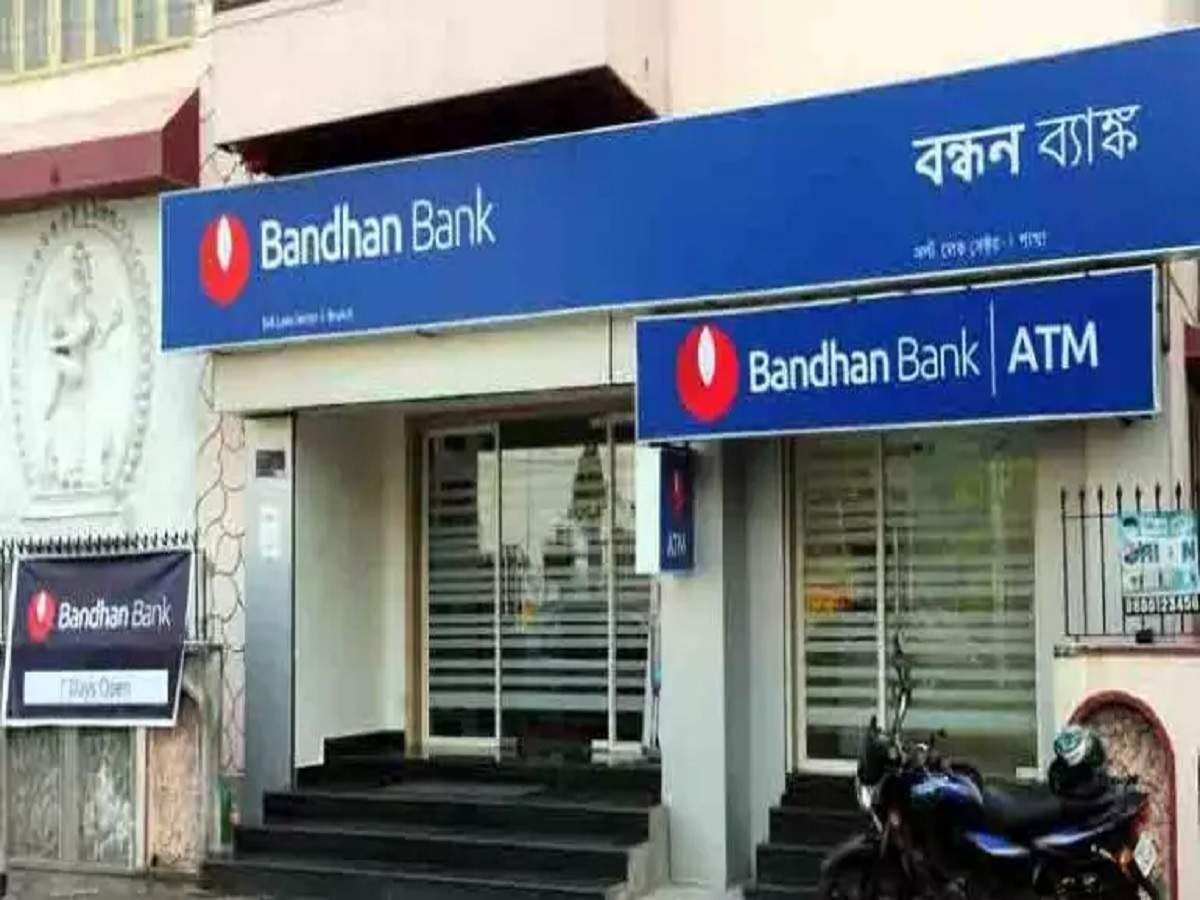
Bandhan Bank slashed its profitability guidance due to rising costs and deposit pricing competition, triggering a 10% share price decline despite a 35% jump in first-quarter net profit.
Bandhan Bank shares fell 10% after the lender cut its return on assets (RoA) guidance for the fiscal year, overshadowing a 35% increase in first-quarter net profit.
Net profit for the April to June quarter rose to Rs 502 crore from Rs 372 crore a year earlier. The bottom-line growth was driven by a 41% drop in provisions to Rs 683 crore. This reflected improving asset quality, with gross non-performing assets falling to 3.15% from 4.96%.
However, underlying operating metrics deteriorated. Operating profit fell 19% year-on-year to Rs 1,358 crore. Net interest income grew a modest 6% to Rs 2,920 crore, while net interest margins contracted by 16 basis points to 6.2%.
Managing director Partha Pratim Sengupta attributed the expenditure surge to new labour costs and a 65% jump in technology expenses stemming from the West Asia crisis. "The lower credit cost helped the bank book higher net profit," he said.
The bank reduced its RoA guidance for the end of the fourth quarter to 1.2%-1.4%, down from a previous range of 1.6-1.8%. Management cited uncertain global macros and intense competition for deposits, warning of a 30 basis point hit to margins and a 10 basis point increase in operating expenses.
Motilal Oswal Financial Services responded by downgrading the stock to "Neutral" with a target price of Rs 225. This implies an 8% upside from Tuesday's close of Rs 208.83. The brokerage slashed its earnings estimates for FY27 and FY28 by 14% and 6%, forecasting an RoA of 1% this fiscal year and 1.4% the next.
The sharp selloff trims what had been a strong 2026 run for the Rs 33,430 crore market capitalisation bank. While the stock remains up 44% year-to-date and 15% over the past year, it is still down 5% over three years and 32% over five years.
For investors, the revised guidance underscores the structural pressure on Indian private lenders. They must balance improving asset quality with rising operational and funding costs in a highly competitive deposit market.