Trump's phased generic drug tariffs trigger selloff in Indian pharmaceutical stocks
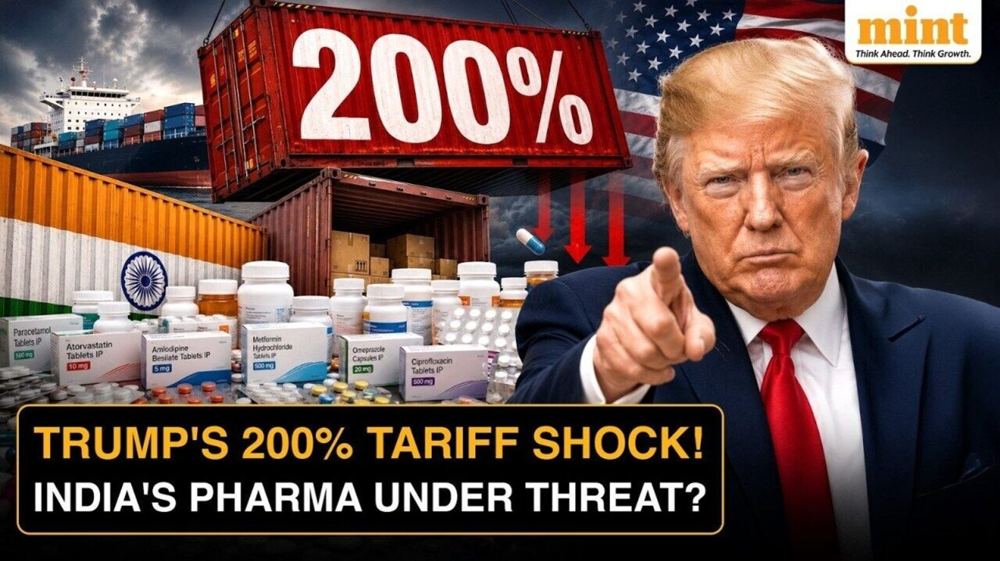
Indian pharmaceutical equities retreated across the board after US President Donald Trump outlined a phased tariff schedule for generic drug imports that could eventually reach 200 percent, threatening the export models of major generic manufacturers.
Indian pharmaceutical equities retreated across the board in early Wednesday trading following the announcement of a new US tariff schedule for generic drug imports. The benchmark Nifty Pharma index dropped nearly 2 percent, with every constituent stock trading lower as investors assessed the long-term impact on cross-border supply chains.
The selloff was broad-based, dragging down major exporters with significant US exposure. Lupin, Gland Pharma, Aurobindo Pharma, Ajanta Pharma, Sai Life Sciences, and Zydus Lifesciences each lost more than 2 percent of their value. Piramal Pharma, Alkem Labs, Cipla, and Glenmark Pharmaceuticals also featured prominently among the day's biggest decliners.
The market reaction was driven by a phased tariff proposal introduced by US President Donald Trump aimed at reshoring generic medicine production. Under the new framework, imported generic drugs will face a zero percent tariff for a two-year transition period beginning August 1.
The rates are scheduled to escalate sharply to force operational relocation. A 100 percent levy will take effect in August 2028 and remain in place for a year, before jumping to a 200 percent tariff thereafter.
Trump outlined the strategy in a post on Truth Social, stating the measures are intended to compel generic manufacturers to build production facilities on American soil. He characterized the steep future levies as a direct penalty for corporations that fail to move their manufacturing operations during the grace period.
The policy creates a stark divergence between generic and branded medicines, as tariffs on patented and branded drugs will remain unchanged under the existing framework. For Indian drugmakers, which rely heavily on the United States as their largest overseas market for affordable generics, the looming 200 percent barrier poses a severe structural threat to their current export-driven business models. Capital expenditure requirements to build American plants would be substantial, potentially depressing free cash flow and return on invested capital for years.
Investors are now recalibrating their valuations for the sector, weighing the heavy costs of potential US facility investments against the alternative of absorbing prohibitive import taxes. The two-year transition period offers a brief window for strategic adjustments, but the ultimate financial burden of reshoring could permanently compress operating margins across the industry.