Super El Niño to extend food price shock into 2028
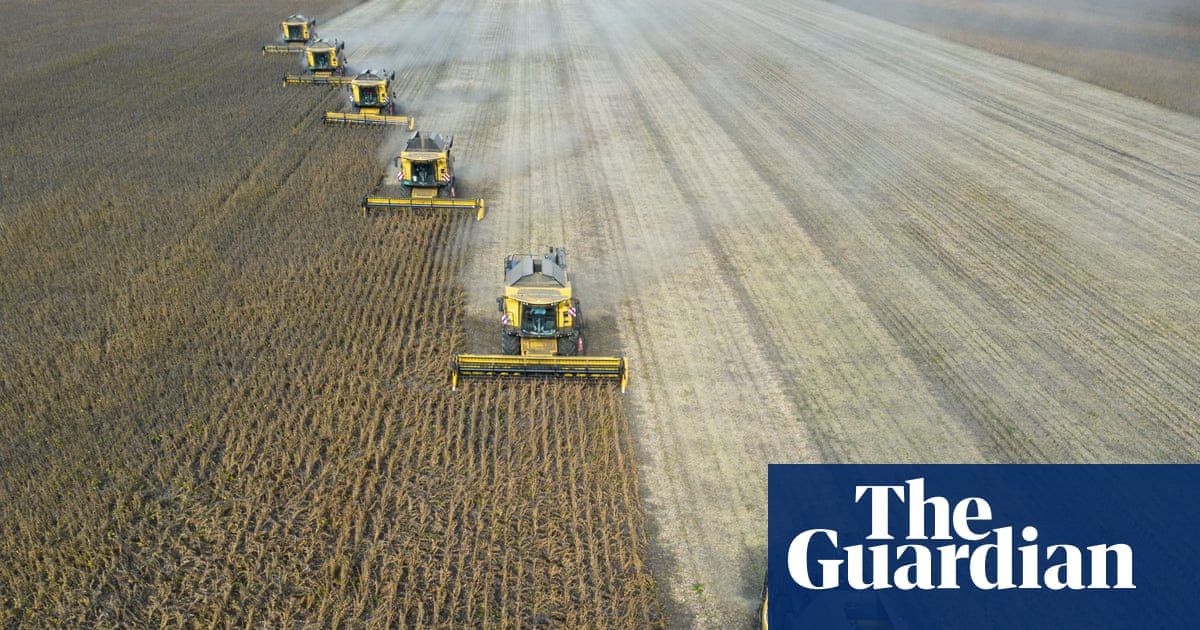
A historically severe El Niño cycle threatens to drive a prolonged surge in global food prices, risking further inflationary pressure on central banks already battling supply disruptions from the Iran war.
A "super" El Niño weather cycle is gathering force in the Pacific, threatening to inflict a severe shock on global food prices that could last until 2028. The extreme weather event is emerging just as the Iran war pushes world food costs to their highest level in three years, exposing supply chains to what economists describe as two simultaneous shocks.
Forecasts from major banks paint a stark picture of the potential economic damage. Goldman Sachs projects a 15.8% surge in global food commodity prices, which would lift eurozone food prices by 1.3%. UniCredit analysts warn of an even deeper hit, modelling a 14.3% decline in global agricultural production that equates to $342bn in lost output.
The prospect of renewed inflation is rattling central bankers and threatens to keep interest rates elevated for longer. "El Niño puts 'climateflation' back on the agenda," UniCredit analysts wrote. "Europe’s recent heatwaves are a reminder that the climate baseline is already shifting. El Niño could add a new layer of pressure later this year, as it amplifies the effects of global warming."
The impact on agricultural commodities will not be uniform. UBS analysts noted that the phenomenon reshapes global rainfall and temperature patterns, creating "regional winners and losers." However, the immediate losers are clear: Goldman Sachs highlighted that a drier Indian monsoon has left some regions with just 25% of usual rainfall, threatening wheat, rice, and sugar cane supplies. Palm oil, coffee, and cocoa harvests are also at risk.
Investors should not expect an immediate price spike at the checkout. Goldman Sachs estimates the full consequences will not be "fully realised" until the second half of 2028. This delay stems from the varying planting and harvesting cycles of different crops, alongside logistical bottlenecks like water levels in key shipping canals and rivers.
The underlying fragility of the global food system magnifies the threat. Compounding existing shortages of fertiliser and energy tied to the Iran conflict, UBS warned that "even modest supply disruptions could trigger large price moves than historical patterns could imply." UniCredit noted that while buffers exist, the food system enters the second half of 2026 "with little margin for error," predicting price shocks of 50% to 100% or more for the most exposed crops.