Yen slides past 163 on surging US yields and Middle East conflict
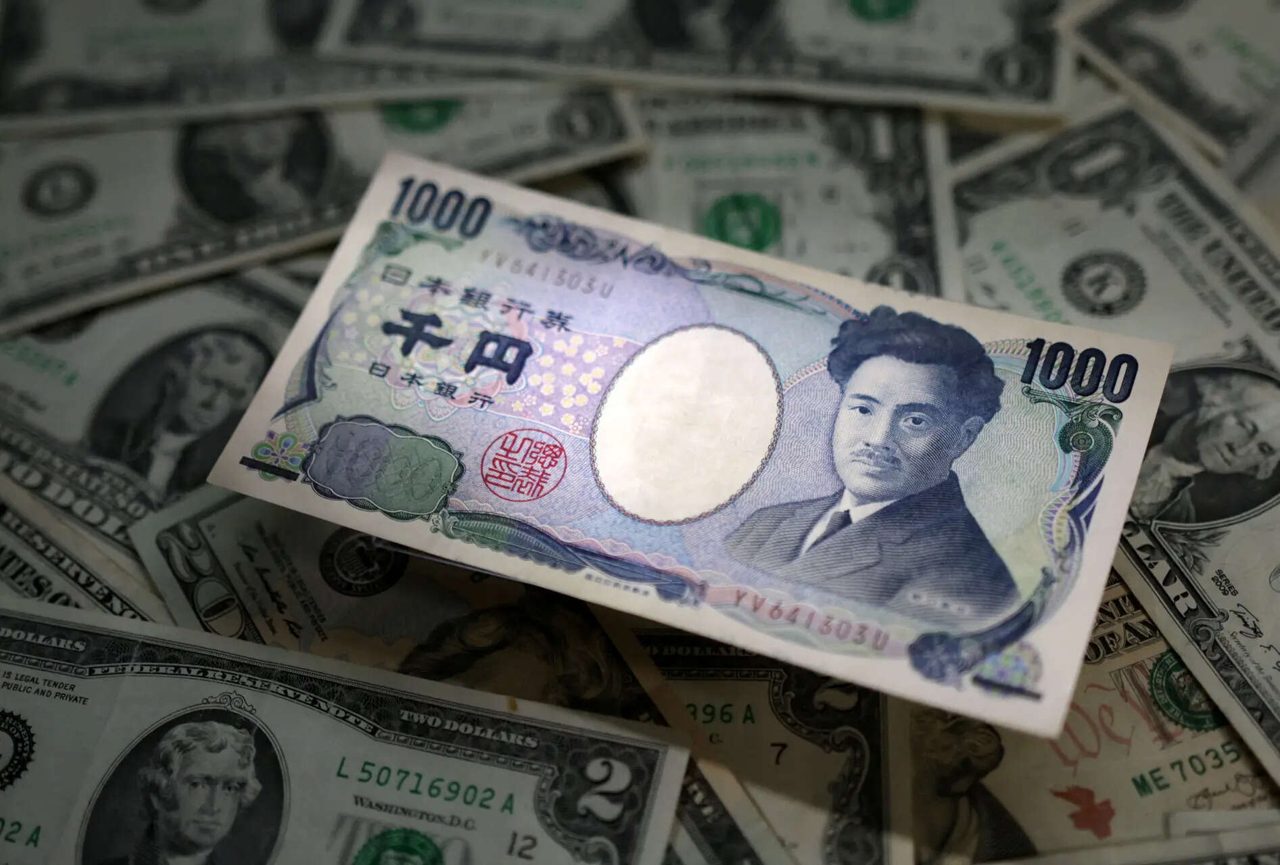
The yen slumped to its weakest level since 1986 as rising US yields and escalating geopolitical tensions amplified pressure on Japanese authorities to intervene.
The Japanese currency dropped to 163.24 per dollar during New York trading on Tuesday, a level not seen since late 1986, before steadying at 163.21 in early Asian hours. The broad dollar strength reflected a combination of elevated US Treasury yields and heightened geopolitical risk as US forces conducted an 11th consecutive night of strikes on Iran.
Benchmark 10-year US yields climbed to 4.64%, their highest print since May, widening the interest rate differential that heavily penalizes the low-yielding yen. Simultaneously, risk aversion is boosting the US currency. "A continuation of the Middle East conflict should support the dollar because of its safe-haven status and typically positive correlation with oil prices," said Commonwealth Bank of Australia currency strategist Samara Hammoud.
The dollar's advance pushed the euro briefly below $1.14, with the single currency last trading at $1.1401. The Australian dollar held near the 70-cent mark, while the New Zealand dollar found support just above its 200-day moving average of $0.5825.
For currency markets, the immediate focus is whether Japanese authorities will resume dollar-selling operations. Tokyo executed record intervention in April and May when the pair breached 160, but those effects have since faded. Officials have abandoned explicit verbal warnings in favor of unpredictable "ambush tactics" intended to keep speculators cautious. A recent proposal by Japan's finance minister for the state pension fund to repatriate foreign investments also failed to sustain the currency.
"We think (Japan) may soon intervene again," HSBC analysts, led by global head of foreign exchange research Paul Mackel, wrote in a recent outlook. However, the bank cautioned that such moves are unlikely to reverse the structural downtrend unless the Bank of Japan executes several hawkish rate hikes, the Federal Reserve pivots back to cutting rates, or investor concerns about Japan's fiscal health subside.
In the absence of those macro shifts, the currency is expected to remain under pressure. "Our base case is for dollar/yen to be trapped in a new and higher range, mainly 160-165, capped by periodic intervention but supported by negative real rates in Japan," the HSBC analysts noted.