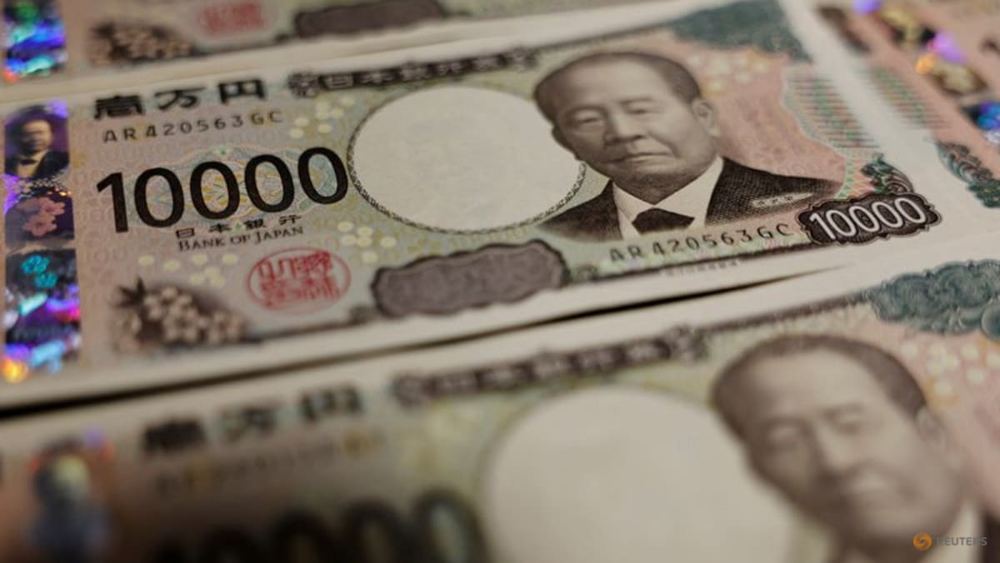
Japan Warns of Decisive Forex Action as Dollar-Yen Tops 163

Japanese officials signaled readiness to intervene in currency markets after the dollar-yen rate surpassed 163, raising the stakes for investors monitoring inflation and global market stability.
Japanese Finance Minister Satsuki Katayama stated on Wednesday that the government stands ready to execute decisive measures in currency markets if necessary. This warning comes immediately after the dollar-yen exchange rate climbed past 163 yen, marking a 40-year high for the currency pair.
Speaking at the Finance Ministry, Katayama deliberately avoided specifying any particular exchange rate triggers for potential intervention. She emphasized that authorities remain flexible, noting, "Our stance has not changed at all. If there is a need for it, we will take decisive action appropriately at any time."
The country’s top currency diplomat, Atsushi Mimura, declined to provide official commentary when questioned by reporters earlier in the day. This coordinated silence on specific thresholds is a standard tactic designed to keep market speculators uncertain about exact intervention triggers.
The yen’s recent depreciation aligns with a broader, sustained strengthening of the US dollar across global markets. Recent geopolitical attacks in the Middle East have driven crude oil prices upward, intensifying global inflation anxieties and supporting safe-haven demand for the greenback.
For investors and multinational corporations, the renewed threat of official intervention introduces fresh volatility into foreign exchange trading. Tokyo previously stepped directly into the market to support the domestic currency in April and May after it weakened beyond the 160-per-dollar level.
Market participants are now closely scrutinizing all official statements for any subtle shift in tone that might precede actual currency purchases. A sudden, unannounced intervention would temporarily disrupt global trading flows and could force a rapid reassessment of carry trade strategies heavily reliant on the yen.
Persistent yen weakness complicates the domestic economic landscape by increasing the cost of imported energy and raw materials. This dynamic places additional pressure on Japanese household budgets and corporate profit margins, making currency stability a critical priority for policymakers.