Japan exports jump 19.3% on semiconductor surge
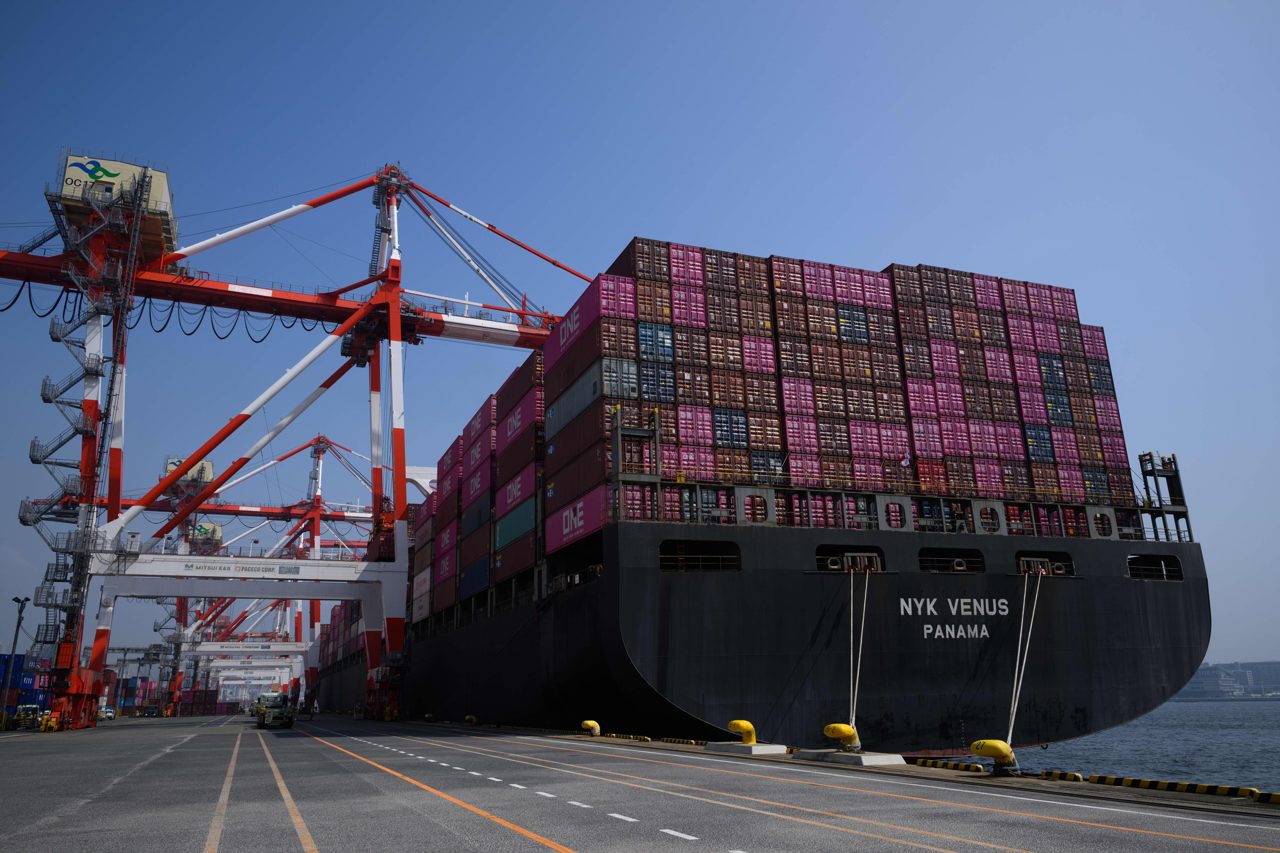
A surge in semiconductor shipments and a weak yen pushed Japanese exports to their fastest growth since late 2022, signalling resilient demand that is offsetting the drag from rising energy import costs.
Japanese exports rose 19.3% year on year in June, marking the fastest pace of growth since November 2022 and comfortably beating the 18.6% forecast of economists. The acceleration from May's 16.8% rise was driven primarily by a 53.8% surge in semiconductor shipments. This robust external demand underscores the critical role that global technology supply chains now play in the Japanese economic outlook.
The artificial intelligence boom is translating directly into tangible financial gains for Japan's technology sector. Shares of Tokyo Electron, Renesas Electronics, and Advantest have rallied between 50% and 93% so far this year as overseas demand strengthens. For market professionals, these equity moves reflect a structural shift rather than a temporary bounce, as the underlying trade data confirms the physical shipment surge.
Regional trade flows illustrate the specific destinations driving this demand. Shipments to Asia climbed 22.7%, featuring a remarkable 46.4% jump to Taiwan, while exports to China grew 17.6% and those to the U.S. increased 13%. A weak yen, hovering at multi-decade lows near 163 against the dollar, continues to amplify these volumes by making Japanese manufactured goods significantly more competitive on price.
The trade dynamic is not entirely one-sided, as the weak currency simultaneously inflates the cost of vital commodity imports. Japan's imports soared 25.4% year on year in June, also the highest rate since late 2022 and well above the 21% estimate. Petroleum imports alone spiked 59.3% as elevated oil prices, exacerbated by the Iran war, strained a nation that the International Energy Agency notes meets over 87% of its energy needs via imports.
For investors, the critical takeaway is that export strength is currently sufficient to absorb the shock of rising energy costs. Exports remain a primary growth engine for an economy that expanded 0.5% sequentially in the first quarter, or 1.8% on an annualized basis. The Bank of Japan noted in its June meeting that AI-driven overseas growth means "the deterioration in the terms of trade has been mitigated, and concerns over an economic slowdown have subsided."