Fed lacked access to Anthropic Mythos AI it flagged to banks
The Federal Reserve warned top lenders about a powerful new AI vulnerability tool in April, yet the central bank spent months unable to secure access to assess its own defenses.
In April, the Federal Reserve and Treasury Department convened an extraordinary meeting with the heads of major US banks to sound the alarm on Anthropic’s Claude Mythos Preview. The model, designed to pinpoint software vulnerabilities, was deemed an unprecedented cybersecurity threat to the financial system. Yet, the central bank itself spent at least three months without access to the very tool it was warning others about.
Anthropic launched the model and its accompanying Project Glasswing initiative in early April, initially granting access to roughly 50 organizations, including JPMorgan Chase, Amazon, Apple, and Google. By June, the company expanded this group to over 150 organizations across 15 countries. As of July 15, the Fed was still attempting to obtain access, raising questions about the central bank's ability to patch its own systemic vulnerabilities.
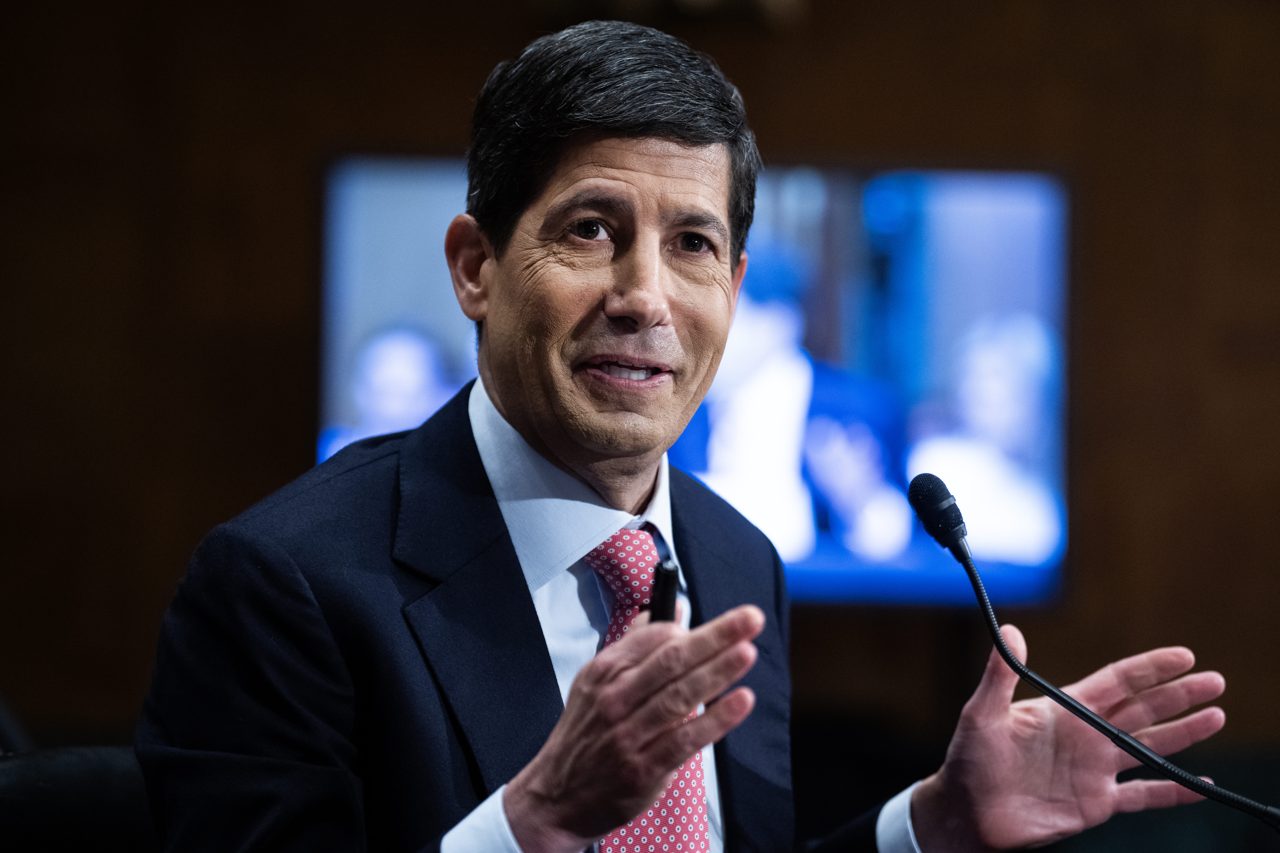
Testifying before the Senate last week, Fed Chairman Kevin Warsh acknowledged the ongoing struggle to obtain the technology. "We are not the deciders as to who has access, but I have not been shy in sharing my views with authorities across the government about the vulnerabilities, and have been asking for access not just for the Federal Reserve but for other institutions to a whole range of these new artificial intelligence models so that they can protect themselves," Warsh told Sen. Jack Reed.
Warsh noted that Mythos is just one of several models the central bank needs to evaluate. "I wouldn't want to just isolate Mythos, though," Warsh said. "As these new models find their way more broadly, our banking system and frankly, the Federal Reserve needs to do all we can to patch any vulnerabilities that we have."
The delay highlights broader disarray in US AI governance. Anthropic’s rollout of Mythos was temporarily disrupted in June when the company had to disable access to updated versions to comply with federal export control directives. Commerce Secretary Howard Lutnick subsequently granted permission to restore access to a select group of "trusted partners" before the controls were lifted entirely.
This regulatory uncertainty comes as pressure mounts on US AI leadership. Chinese startup Moonshot AI recently released a model called Kimi K3 that outperforms leading US offerings across certain industry benchmarks. David Sacks, the former White House AI and crypto czar, wrote on Friday that Kimi K3's performance is "concerning," adding that "America is tying itself in knots. This is how you lose the AI race. The rest of the world won't play by our rules if we bog ourselves down."
For financial institutions, the Fed's struggle to access frontier models underscores a troubling gap between regulatory oversight and technological reality. "You would think that the financial institution that sort of drives all the policy for the rest of the financial institutions would be front and center of at least having a chance to evaluate the new technology," said Daniel Newman, CEO of the Futurum Group. As AI capabilities accelerate globally, Newman warned the Fed is "certainly is going to play catch up," adding that technology leaders face a "constant barrage of net innovation."