US pushes $95bn unfunded war package as Iran costs hit $37.5bn
A $95 billion emergency spending bill, driven by $37.5 billion in Iran war costs and unoffset by revenue cuts, heads for a House vote as elevated gas prices and munitions depletion highlight the mounting economic toll of the conflict.
The Pentagon has pegged the fiscal cost of the US-Iran conflict at $37.5 billion as the Trump administration pushes a $95 billion emergency budget through Congress.
The GOP legislation bundles $70 billion in additional war funding alongside $10 billion in farmer aid linked to tariff pressures and $10 billion for voting law changes. None of the $95 billion is offset by spending cuts elsewhere, adding directly to the federal deficit.
The conflict's economic footprint is widening. Gas prices have spiked as Iran works to control oil shipments through the Strait of Hormuz, a critical chokepoint for global energy markets. Domestically, the prolonged campaign has depleted US munitions stockpiles, requiring costly industrial replenishment.
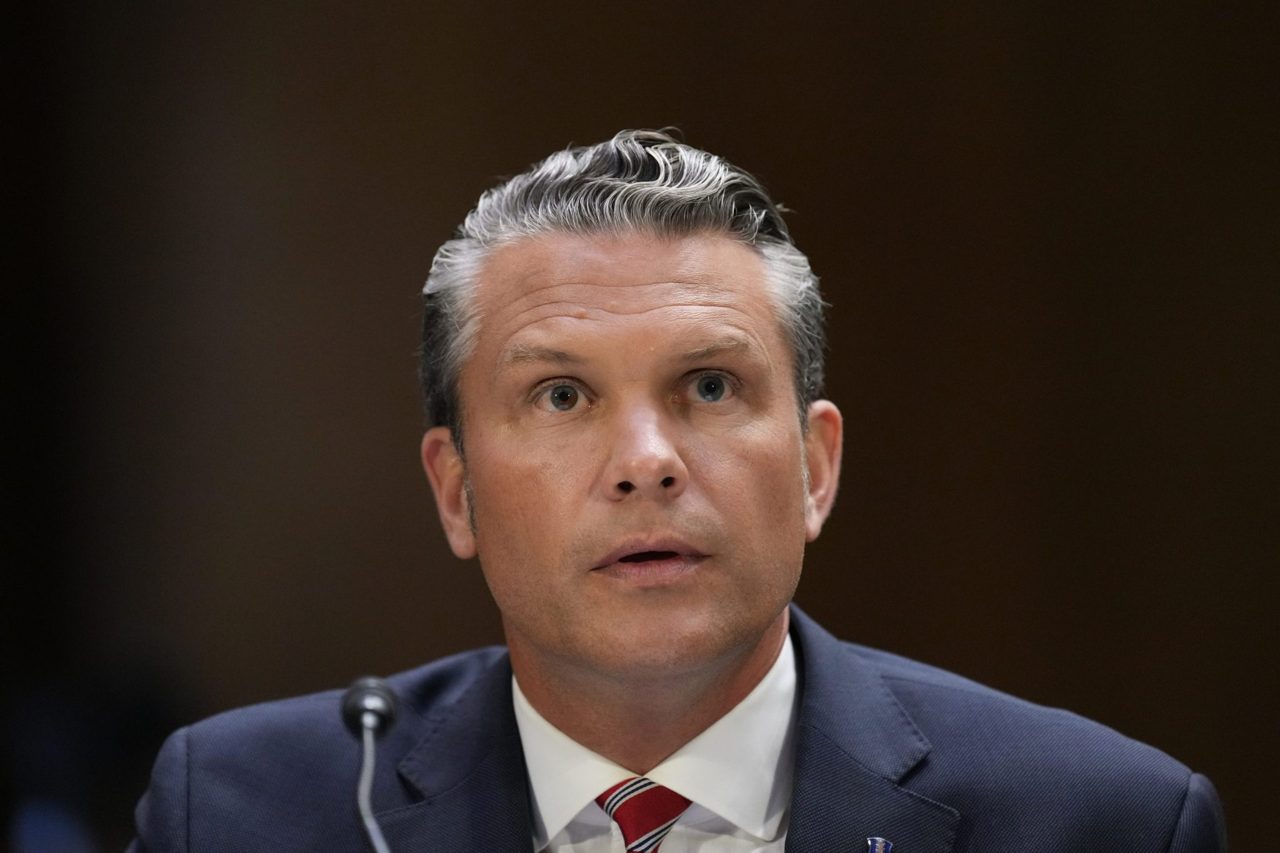
Hegseth framed the supplemental request as an “urgent, necessary” injection of capital. “Without these funds, we face critical shortfalls,” he testified. However, the unfinanced nature of the emergency package has created a fiscal rift, with Rep. Warren Davidson of Ohio warning it will pile onto deficits without offsetting spending reductions.
Republicans are leveraging the reconciliation process to bypass Democratic opposition and pass the measure ahead of the midterm elections. With a slim House majority, Speaker Mike Johnson can afford few defections to kickstart the legislative drafting process. The White House has demanded Congress pass the resolution “without modification—immediately.”
Democrats have repeatedly failed to curb the conflict through war powers resolutions, with the House passing a measure that has stalled in the Senate. Sen. Patty Murray argued the administration is pouring money into “another forever war.” She noted Trump “has told us over 40 times now that a deal is near, and the war will be over soon... But now, he’s asking for $70 billion more — and for us to just trust him it’ll all work out fine.”
Hegseth’s Senate testimony was frequently interrupted by protests and political friction over his departmental leadership. While lawmakers clashed over blocked military promotions and withheld casualty figures—nearly 450 troops have been injured—these domestic disputes are secondary to the immediate math of funding the war machine.