Anthropic settles AI copyright suit for $1.5bn
Anthropic will pay $1.5 billion to resolve claims it used pirated books to train Claude, a landmark deal that protects the core practice of AI training while establishing a costly precedent for data acquisition.
Anthropic will pay $1.5 billion to thousands of authors to resolve claims that it used pirated books to train its Claude chatbot, marking the first major settlement in the wave of AI copyright litigation.
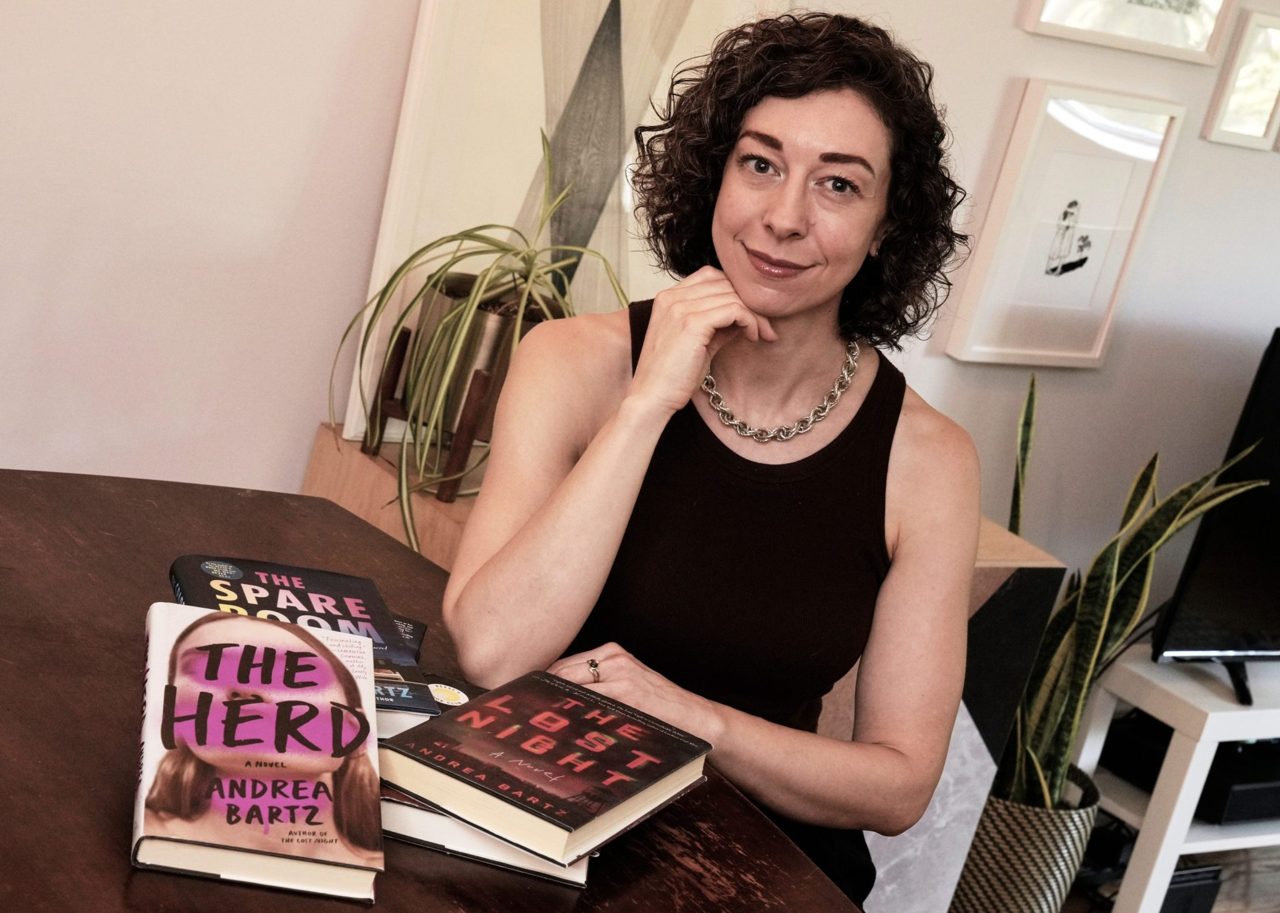
Federal Judge Araceli Martínez-Olguín approved the class-action agreement on Monday, concluding a case initially brought in 2024 by thriller novelist Andrea Bartz and two other authors. The judge found the deal provides “meaningful relief” to affected writers and publishers.
The mechanics of the payout reflect a high claim rate among the eligible class. About 91% of the more than 482,000 books covered by the ruling have been claimed by rights holders, who are now due payments of roughly $3,000 per book.
While the $1.5 billion price tag is substantial, the underlying legal mechanics of the case offer a significant strategic win for Anthropic and the broader artificial intelligence industry. The settlement follows a mixed ruling last summer by U.S. District Judge William Alsup, who has since retired.
Judge Alsup found that Anthropic wrongfully acquired millions of books by sourcing them through pirate websites. However, he explicitly rejected the plaintiffs' broader argument that the act of training an AI chatbot on copyrighted material is inherently illegal.
Anthropic’s deputy general counsel, Aparna Sridhar, stressed this distinction on Friday, highlighting the ruling as a landmark demonstrating “that training AI on books is fair use under copyright law.” This legal distinction is vital for AI developers and their investors, as it shields the fundamental architecture of large language models from foundational copyright challenges.
Plaintiffs and their legal counsel focused instead on the sheer scale of the financial recovery. Attorney Justin Nelson characterized the deal as “the largest known copyright recovery in history. We look forward to making distributions to the Class as promptly as possible.”
Anthropic noted the high participation rate in its own statement, with Sridhar adding, “We are pleased that more than 91% of authors and publishers covered by the settlement have claimed their share of the payment, and we’re looking forward to bringing this matter to a close.”
For market participants, the resolution removes a key layer of uncertainty. Dozens of similar AI copyright lawsuits remain active in the courts, but the Anthropic precedent suggests that liability will hinge on data acquisition methods rather than the training process itself, a baseline that helps quantify future legal risk for AI companies.