Nigeria holds rates at 26.5% as inflation target delayed
The Central Bank of Nigeria kept its benchmark rate at 26.5% as unanticipated global shocks push back its timeline for reaching single-digit inflation, though improving reserves and a completed bank recapitalisation signal underlying stability.
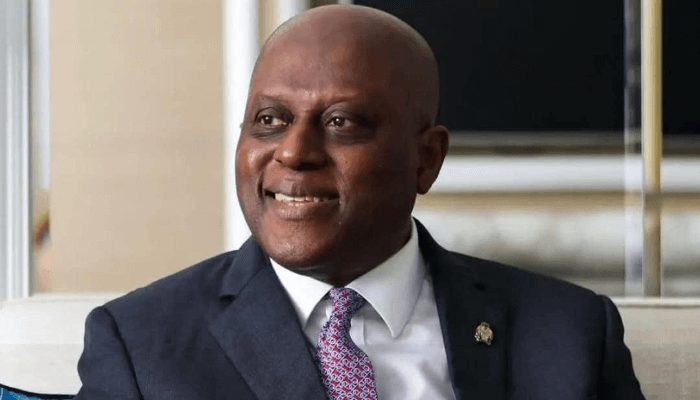
The Central Bank of Nigeria (CBN) left its benchmark interest rate at 26.5% for the second consecutive meeting, keeping all other policy parameters unchanged. Governor Olayemi Cardoso said the decision to hold the Monetary Policy Rate steady was a deliberate move to monitor incoming data amid elevated global uncertainty. “Given elevated global uncertainty and domestic inflation dynamics, a steady policy stance allows us to monitor incoming data and act if conditions warrant,” Cardoso said.
Policymakers had anticipated reaching single-digit inflation by early 2027 after eleven months of disinflation. However, persistent geopolitical tensions, energy price volatility and supply chain shocks have disrupted that trajectory. “Unfortunately, these were shocks that came that were not anticipated in that manner, and have gone on a lot longer than could have been anticipated,” Cardoso said.
Official figures show headline inflation edged down to 15.91% year-on-year in June from 15.93% in May, ending a three-month streak of increases. Core inflation dropped to 15.92% from 16.82%, supported by relative foreign exchange stability, but food inflation accelerated to 17.52% due to supply bottlenecks and transport costs. “We are pleased, however, on two counts. One is the fact that inflation has moderated. Albeit slightly, it has moderated,” Cardoso said.
For foreign investors, the central bank's external position has strengthened notably. Gross foreign reserves rose to $52.52 billion by mid-July, up from $50.47 billion at the end of May, providing adequate import cover and reflecting improving confidence in the country's reforms. Cardoso reiterated that the CBN will not target a specific exchange rate level. “Our view is one of continuing on the path that we have embarked upon, and that is to ensure that we have a market that is transparent, liquid, and based on a willing buyer, willing seller framework,” he said.
A recent decline in bank lending has sparked market discussion, but Cardoso attributed the contraction to the expiration of pandemic-era forbearance rules rather than broader financial weakness. “Forbearance had outlived its time. We are now in 2026, and really and truly, we did not see any reason why it should continue to form part of the banking system’s balance sheet,” he said. Credit growth is expected to resume as lenders adjust to stricter standards following a major recapitalisation drive.
That recapitalisation programme concluded successfully, with 33 out of 37 banks meeting the new capital thresholds without a deadline extension. Much of the capital was raised domestically. The broader economy grew 3.89% in the first quarter of 2026, driven by non-oil sectors like telecommunications and finance, even as oil output contracted sharply due to maintenance disruptions.