Brazil's new SAF law targets $51bn in aviation biofuel investment
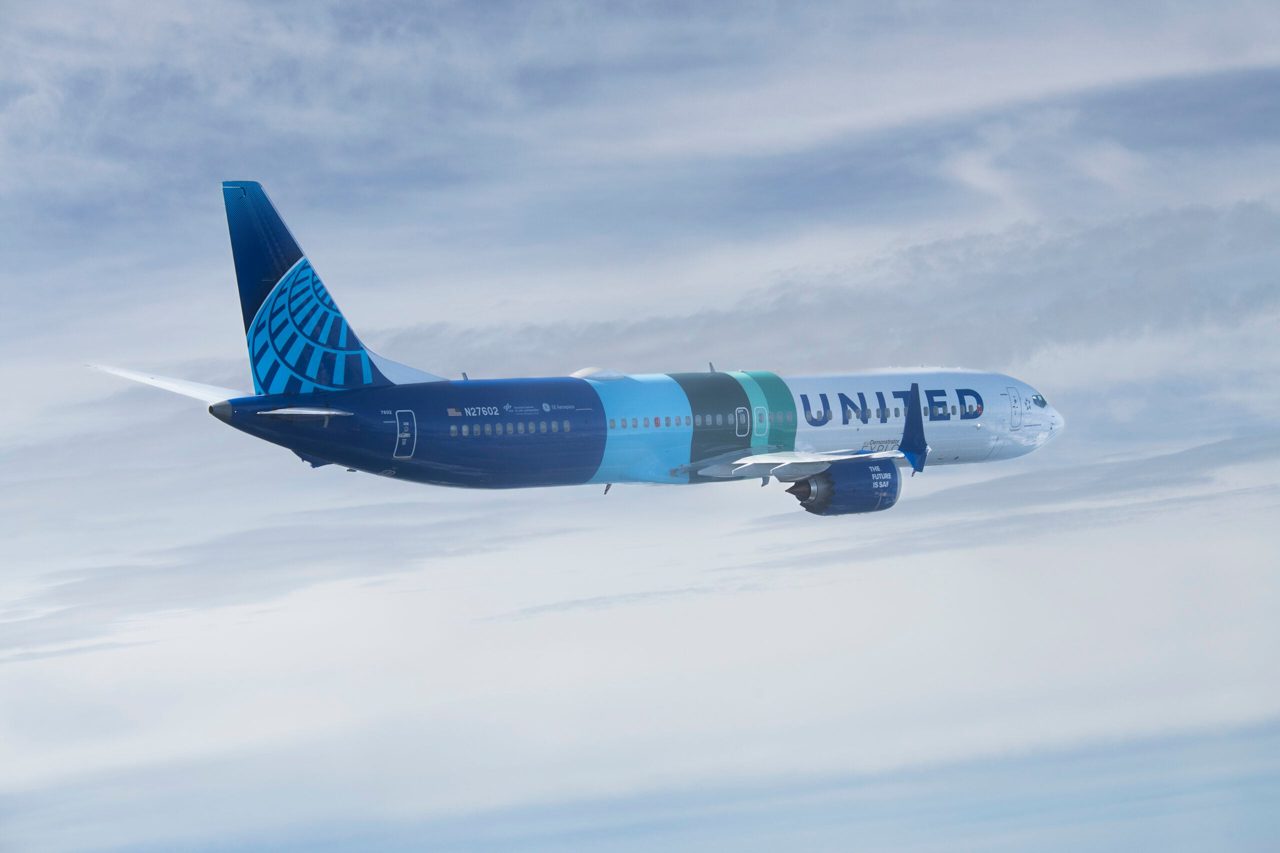
A newly enacted Brazilian blending mandate guarantees a future market for sustainable aviation fuel, creating a multi-billion dollar industrial opportunity anchored in the country's unmatched sugarcane ethanol capacity.
President Luiz Inácio Lula da Silva signed the Combustível do Futuro law on October 8, 2024, requiring airlines in Brazil to blend 1% sustainable aviation fuel (SAF) from 2027, scaling to 10% by 2037. This trajectory is more gradual than the European Union, which mandates a 2% blend starting in 2025.
The legislation creates the National Sustainable Aviation Fuel Program, or ProBioQAV, establishing a guaranteed domestic market projected to reach 1.2 billion liters of annual demand. Government officials estimate the framework will unlock R$260 billion ($51.2 billion) in total investment through 2037. State development banks BNDES and FINEP have pledged up to $1 billion in early financing to de-risk the sector.
Brazil’s pitch to global capital rests on its existing agricultural infrastructure. The country generates over 30 billion liters of sugarcane ethanol annually, offering a vast, ready feedstock for the Alcohol-to-Jet (ATJ) pathway. While the US relies on soybean oil and Europe depends on limited supplies of waste oils and animal fats, Brazil can support both ATJ and HEFA production methods. By 2050, industry projections suggest the country could produce 9 billion liters of SAF annually, capturing 35% of global demand.
The immediate friction point for investors is the wide gap between regulatory targets and physical infrastructure. Today, only one Petrobras refinery in Rio de Janeiro produces any SAF, yielding a negligible 600,000 liters per year from a 1.2% corn oil blend.
The project pipeline confirms that meaningful volumes will not arrive this decade. Brasil BioFuels is bringing a 250,000-cubic-meter plant online in Manaus between 2025 and 2026. Raízen, a Shell and Cosan joint venture, targets 2027 for its ATJ facility but acknowledges unresolved technology challenges. Larger dedicated complexes from Petrobras and Energis8 are not expected until after 2029 and 2031, respectively.
Major institutional players are already treating this as a durable industrial play rather than a short-term speculation. Mubadala Capital is advancing a $13.5 billion biofuels program in the country, and the construction of these facilities will drive significant job creation in engineering, agribusiness, and logistics. Yet, because building a plant typically takes five to seven years, airlines will likely need to import SAF to meet the initial 2027 mandate.