Telegram to integrate Gram crypto wallet for 1B users
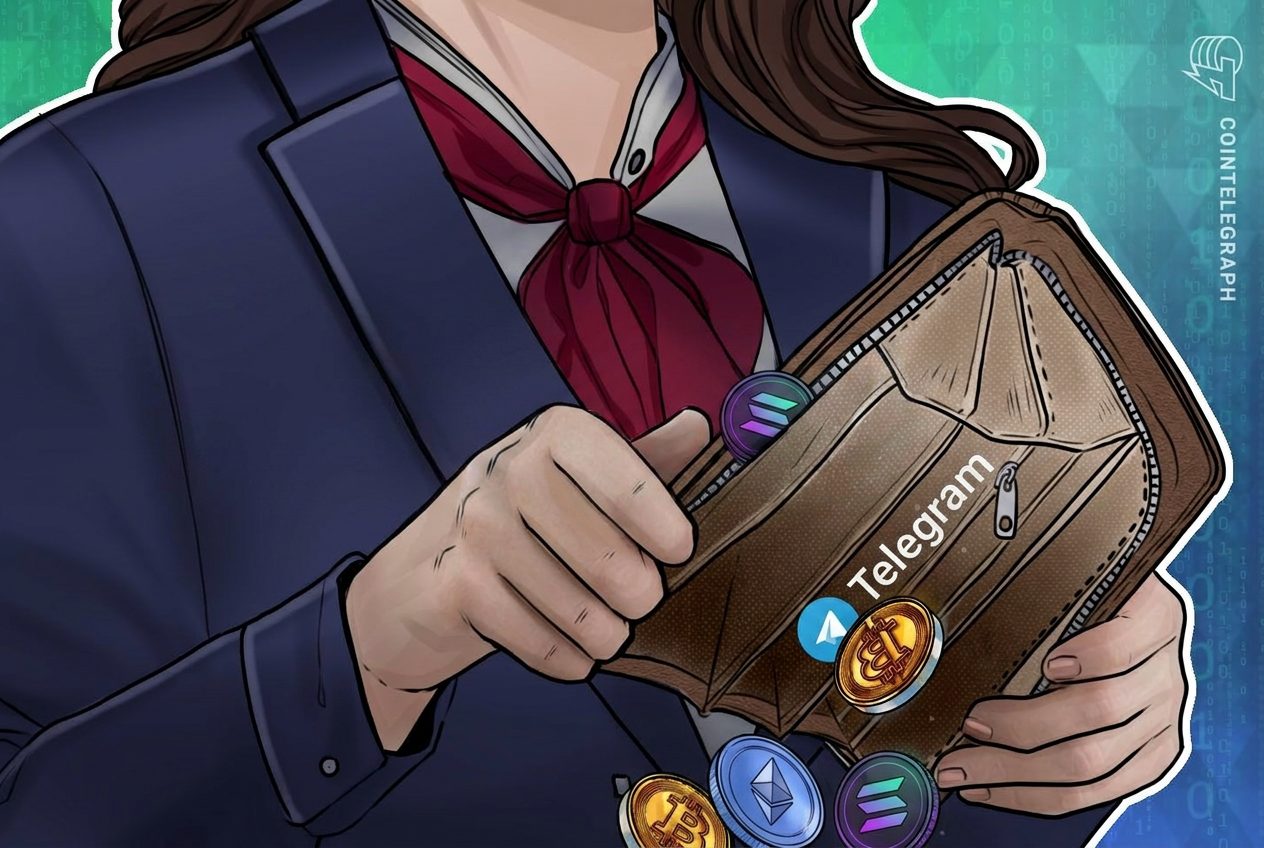
Telegram is introducing a native, non-custodial Gram wallet this summer, a move that could mainstream peer-to-peer crypto payments for its massive global audience.
Telegram will introduce a native, non-custodial Gram wallet to its messaging app this summer. Founder Pavel Durov announced the initiative on Wednesday, noting the tool will enable users to transfer cryptocurrency instantly and without fees. The company has not yet provided a firm launch date or specific technical details.
The integration targets Telegram’s audience of over one billion monthly active users, a milestone the company reached in 2025. For market participants, the significance lies in the potential to dramatically expand access to self-custody and peer-to-peer crypto payments. Even a modest adoption rate among this user base would likely dwarf the reach of existing standalone digital asset applications. Durov characterized the planned deployment as the “largest rollout of a non-custodial crypto wallet in human history.”
The wallet’s introduction aligns with a deeper strategic shift for the platform’s closely integrated blockchain, The Open Network. The network recently revealed plans to rebrand its native token from Toncoin back to Gram. This revives the cryptocurrency's original name from Telegram’s 2018 white paper, a move Durov described as a return to the project’s roots.
The development effectively reverses Telegram’s previous retreat from the digital asset space. The company abandoned its original blockchain project following a 2020 settlement with the US Securities and Exchange Commission. Since that regulatory resolution, Telegram has steadily increased its backing of the TON ecosystem.
Renaming the token to Gram is part of a broader roadmap to expand crypto services and Web3 functionality within Telegram. For the TON network, embedding a native wallet directly into a top-tier messaging app removes a traditional barrier to mainstream user onboarding. It positions the application as a potential gateway for everyday digital asset transactions.