Airbus eyes folding wing tests as 2030 narrowbody battle looms
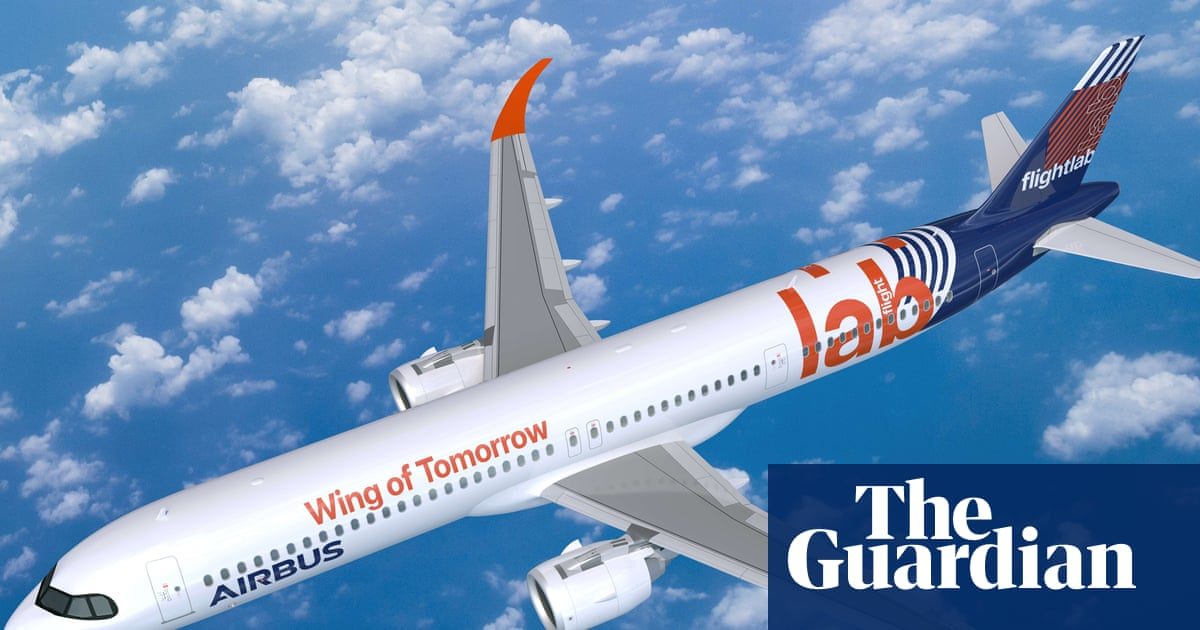
Airbus will test folding wing extensions on an A321neo next year, a crucial step in a high-stakes race to define the next generation of single-aisle aircraft that will decide billions in future revenue.
Airbus is preparing to fit four- or five-metre folding wing extensions to an A321neo aircraft for real-world testing in the second half of next year. Assembly of the extension will begin shortly at the company's Broughton factory in north Wales. The initial testing phase will only evaluate the structural bolts holding the extension in place, rather than the hinges required for folding.
Next-generation single-aisle planes will require longer, thinner composite wings to deliver significant energy savings. However, these expanded wingspans clash with the physical constraints of airports that are already at or near full capacity. “The value of being able to fold the wings is huge,” said Sue Partridge, head of Airbus’s wing of tomorrow programme, speaking at the Farnborough airshow.
The European planemaker and its US rival Boeing are both racing to replace their hugely profitable A320 and 737 families. Boeing has already introduced folding wingtips on its widebody 777X and is exploring alternative concepts like truss-braced wings. However, folding technology remains unproven on the single-aisle aircraft that dominate global airline fleets and generate the bulk of industry profits.
Partridge confirmed that future Airbus models will feature heavy, large-diameter engines paired with gull-shaped wings. The company is still evaluating whether to pair these new airframes with traditional covered engines or an open fan design with exposed blades.
The impending 2030 decision has triggered a fierce lobbying campaign by engine manufacturers. Rolls-Royce chief executive Tufan Erginbilgiç told reporters at Farnborough that the company has just two years to convince Airbus and Boeing to select its UltraFan engine for the new narrowbody market. Breaking into this segment would be a major strategic victory for a company currently focused on widebody jets.
Erginbilgiç is pushing the new UK government under Prime Minister Andy Burnham to subsidise the UltraFan programme. He noted that Chancellor John Healey, the former defence secretary, understands the company's agenda. However, Rolls-Royce's plea for state funding faces competition from domestic spending priorities like social care and ending rough sleeping.
The executive framed the engine competition as a defining moment for UK industry. “It is the single biggest opportunity for the next 50 years for economic growth for the UK, and it would transform advanced manufacturing,” Erginbilgiç said. Kevin Craven, chief executive of the ADS Group lobby, echoed the urgency, urging the government to back national champions in what is “probably the most consequential decision in our industry.”
Erginbilgiç left little doubt about the consequences of inaction. “We would like to do it in the UK because it is our origin,” he said. “But we have other options.”