Novo sues Eli Lilly over GLP-1 ads as market battle escalates
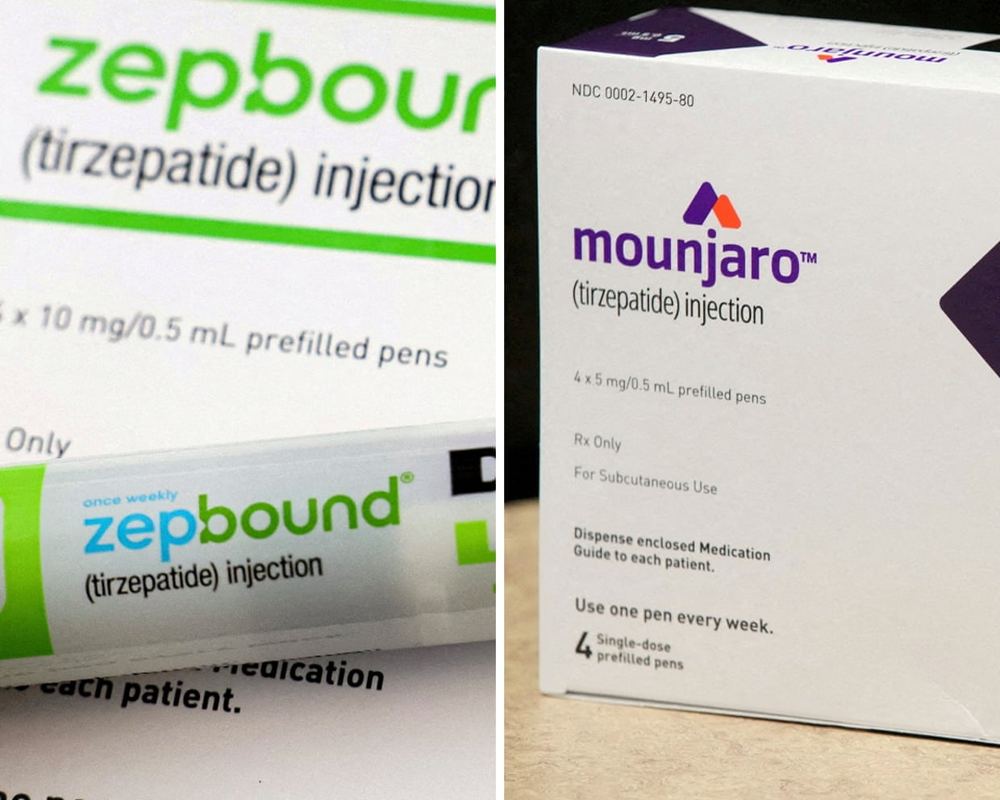
Novo Nordisk is taking Eli Lilly to court over allegedly deceptive weight-loss drug advertisements, signalling an aggressive new phase in the battle for dominance in the lucrative GLP-1 market.
Novo Nordisk has filed a lawsuit against Eli Lilly, accusing the US drugmaker of running "false and materially misleading" advertisements for its competing weight-loss and diabetes treatments, Zepbound and Mounjaro.
The Danish pharmaceutical company claims Lilly's recent marketing campaign relied on cherry-picked, outdated studies. Specifically, Novo alleges the advertisements compared Lilly's highest doses of tirzepatide against lower doses of Novo's semaglutide to falsely project broad product-level superiority.
These claims were not confined to medical journals. The promotional campaign was broadcast during major global sporting events and heavily pushed across TikTok and Facebook. For investors, the aggressive consumer-facing strategy underscores the immense financial windfall at stake as both companies fight to capture patient volume.
“As new and more effective treatment options become available, people deserve accurate information that reflects the latest scientific evidence and helps them make informed care decisions,” said John F Kuckelman, Novo Nordisk’s general counsel. He argued that "ineffective, fine-print disclaimers do not fix the misleading impression created by major national campaigns."
Eli Lilly has firmly rejected the allegations. The company countered that the clinical trial underpinning its advertising, known as Surmount-5, is “the only direct, head-to-head randomised clinical trial comparing tirzepatide and semaglutide in the context of weight management.”
An Eli Lilly spokesperson criticized Novo's legal approach, stating: “rather than competing on the merits of its products, Novo is asking a court to prevent Lilly from communicating the results of this trial. We firmly stand by our advertising campaign.”
Both molecules belong to a class of anti-obesity treatments that mimic the GLP-1 hormone secreted by the intestines. They are prescribed to treat type 2 diabetes and drive weight loss.
As the clinical nuances between semaglutide and tirzepatide become harder for consumers to parse, this lawsuit highlights a shift. Future competitive advantages in the sector may be fought as much in the courts and on social media as in the laboratory.