Nintendo seeks dismissal of tariff rebate class action
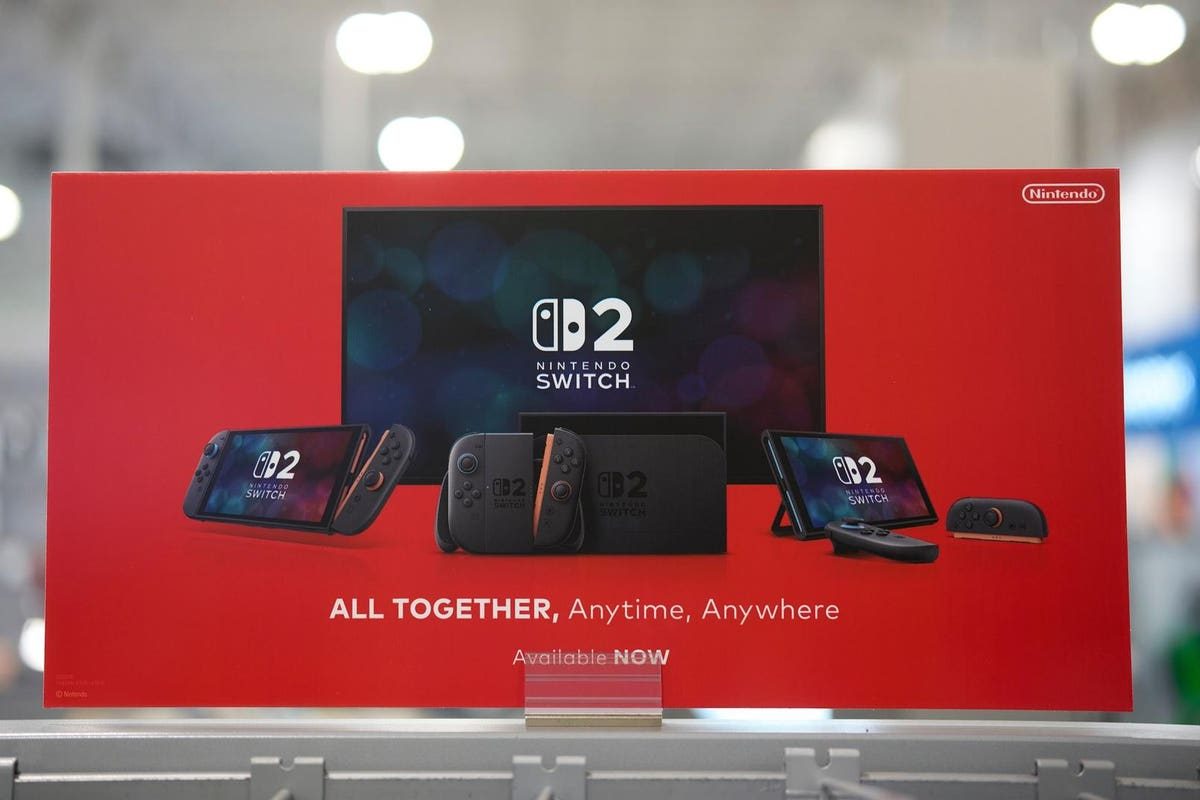
Nintendo is asking a court to throw out a lawsuit demanding tariff refunds for Switch 2 buyers, highlighting the broader corporate dilemma over who keeps a $166 billion windfall of unlawful import levies.
Nintendo has asked a court to dismiss a class-action lawsuit demanding it pass tariff refunds on to consumers who bought its Switch 2 console. In a late Monday motion, the company argued buyers are not entitled to rebates because they paid an agreed-upon price and received the goods they wanted.
Consumers filed the suit in April, accusing the video game giant of effectively collecting tariff costs twice. The plaintiffs claim Nintendo raised prices specifically to cover import levies, and is now suing the Trump administration to recoup those same charges following a Supreme Court ruling that deemed the tariffs unlawful.
Nintendo’s attorneys dismissed the lawsuit as meritless, noting consumers failed to allege the company misled them or violated any pricing laws. “Those who bought Nintendo’s products received exactly what they bargained and paid for: a console, game and/or accessory at a price to which both parties agreed,” the motion stated.
The gaming firm framed its price increases as a “difficult decision” made in response to broader market pressures. Nintendo announced the Switch 2 price hike one day after the Trump administration unveiled sweeping tariffs against more than 180 countries last year, later implementing global increases alongside similar moves by Sony and Microsoft amid a chip supply crunch.
This legal dispute underscores a broader corporate dilemma as the federal government prepares to refund $166 billion to roughly 300,000 importers. UBS chief economist Paul Donovan warned earlier this year that it “seems unlikely anyone will rush to lower prices to their consumers,” suggesting the windfall will largely benefit corporate balance sheets.
A small minority of companies have committed to sharing the refunds. Costco said it would convert tariff refunds into lower prices, while FedEx and UPS promised to reimburse customers for tariff-related charges.
However, most major importers appear poised to follow Nintendo’s lead. Ford, which expects a $1.3 billion refund, is also fighting a proposed class-action lawsuit in Michigan from consumers seeking reimbursement. For investors, the outcome of these cases will dictate whether the landmark Supreme Court ruling delivers a pure margin windfall or creates a new vector for consumer liability.