Debt Problems of the Richest Countries Are Trickling Down to the Poorest
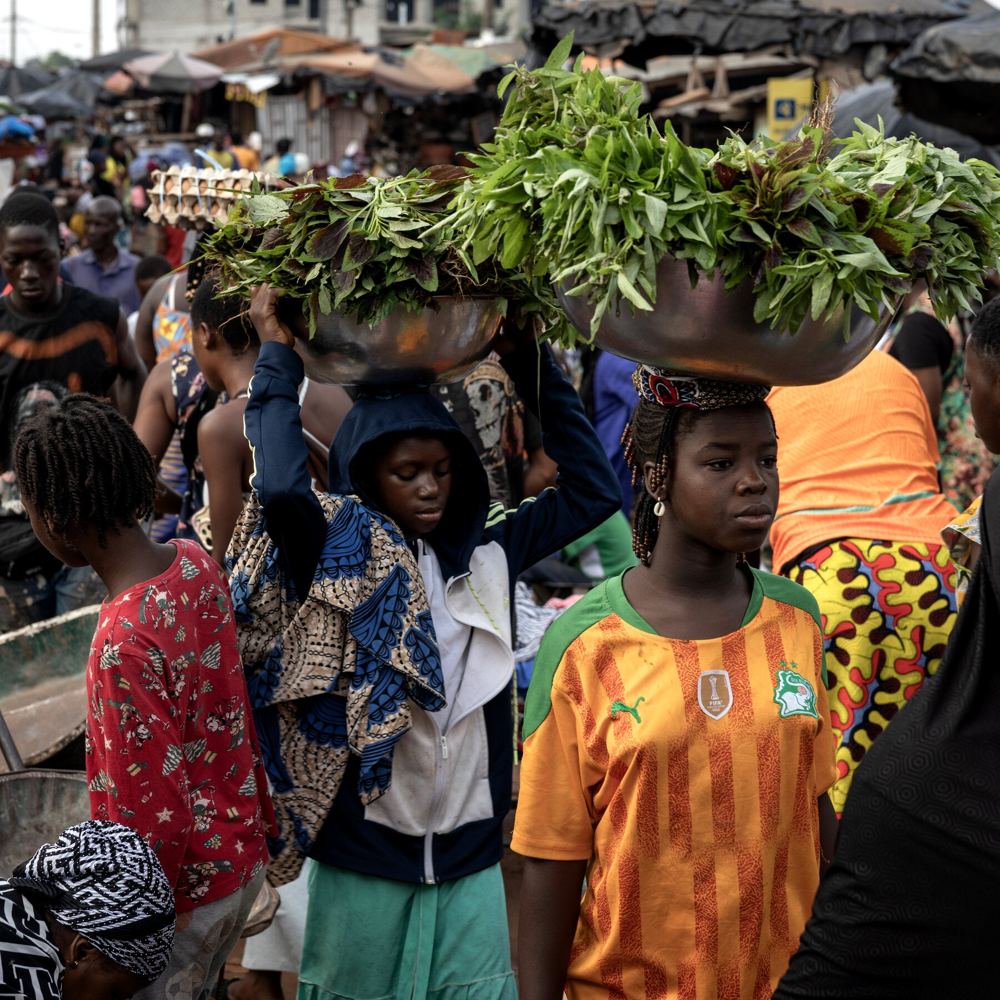
The debt load of developing countries jumped to $9.4 trillion as high interest rates and other global shocks batter their economies.
It’s hard to find a government these days that is not struggling with crushing public debt.
The financial problems of wealthier nations have been monopolizing the spotlight. The United States , Britain , France, Italy, China and Japan are all facing record or near-record debt levels. The fallout has been painfully visible in France, where anger at rising costs and crumbling public facilities and services helped provoke violent protests and a general strike in recent weeks.
But rich countries’ fiscal problems do not just pool at home; they trickle down to amplify the financial pressures on low and middle-income countries.
The result is that less-well off nations are borrowing more and paying more for their loans. Their combined debt surged last year to $9.4 trillion, according to a World Bank report this month.
The poorest of the poor countries fare the worst: They are facing interest rates not seen since the late 1980s.
Many of the causes are beyond their control. A series of crises, beginning with the Covid-19 pandemic, and continuing with energy shocks, supply chain disruptions and rising prices stemming from the wars in Ukraine and Iran have strained national budgets and pumped up debts.