Trump administration eyes FINRA-style AI regulator
A proposal to establish a self-funded, FINRA-style regulatory body for artificial intelligence is gaining traction among top tech executives and within the Trump White House, a move that could create a new compliance hurdle for frontier models.
The Trump administration is considering the creation of an artificial intelligence self-regulatory organization modeled on the Financial Industry Regulatory Authority. According to Bloomberg, Treasury Secretary Scott Bessent helped develop the proposal, which is currently under review by White House Chief of Staff Susie Wiles. The new standards body would fall under the oversight of the Securities and Exchange Commission, the only federal agency with explicit statutory authority to delegate powers to self-regulatory organizations.
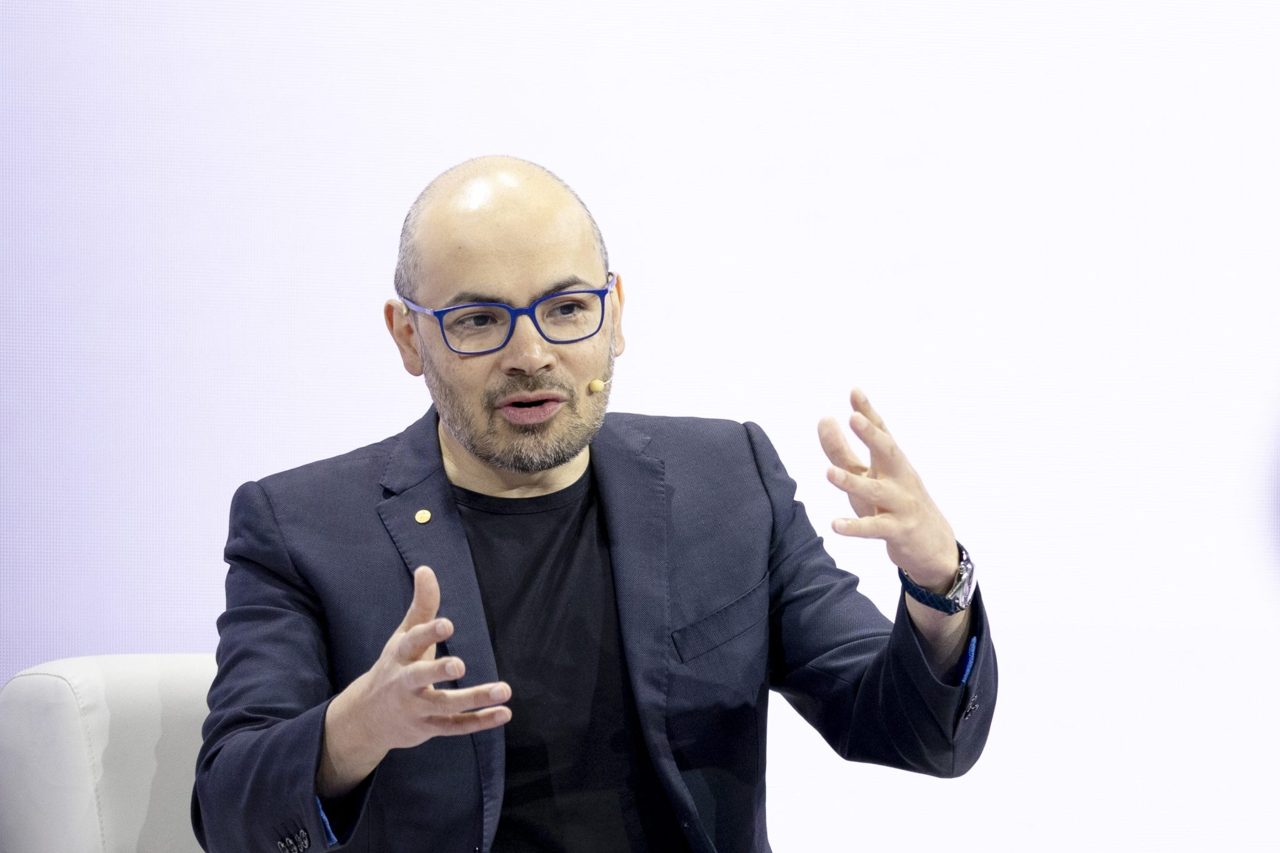
The concept originated last week in a social media essay by Demis Hassabis, CEO of Google DeepMind. It has since drawn endorsements from a cross-section of the industry's most powerful figures, including Microsoft CEO Satya Nadella, Microsoft AI CEO Mustafa Suleyman, Block CEO Jack Dorsey, and Box CEO Aaron Levie. Even rivals have praised the framework, with OpenAI's Sam Altman calling it "thoughtful" and Elon Musk describing it as "a thoughtful framework overall and certainly a good starting point for discussions."
Under Hassabis’s proposal, leading AI laboratories would fund the organization, keeping the cost off the federal budget. The body’s board would combine independent technical experts, open-source representatives, and industry officials. Its mandate would include defining capability benchmarks for frontier AI, conducting independent safety testing, and coordinating with government agencies on national security. Companies would initially be encouraged to voluntarily submit models for review 30 days before release, though this could eventually become mandatory for any model distributed in the U.S.
For investors and executives, the appeal lies in preempting strict government licensing regimes. However, critics warn that outsourcing oversight to an industry-funded body creates inherent conflicts of interest. Senator Elizabeth Warren has previously accused FINRA of prioritizing the brokerage firms that fund it over individual investors. Former FINRA enforcement chief Brad Bennett has noted that fines are often too low, making it cheaper for large firms to pay penalties than to fully fund compliance.
Research from SLCG Economic Consulting found that in its first year with the power to label high-risk brokers as "restricted," FINRA failed to apply the designation to any firm, despite SLCG identifying at least 13 that met the criteria. Tech analysts warn the same dynamics could plague AI oversight. Nader Henein of Gartner noted that "self-regulation is not viable" and that "most tech vendors don’t have the capacity to self-regulate." Independent analyst Carmi Levy called the proposal a "self-serving roadmap for an industry bent on racing to the AI horizon regardless of the harms caused along the way."
Deep learning pioneer Yoshua Bengio cautioned that any voluntary framework must include a "clear and precise roadmap to transition from a voluntary to a mandatory model." If the standards eventually become a requirement for U.S. distribution, the body could emerge as a de facto global standard-setter, similar to the Food and Drug Administration's role in pharmaceuticals. Yet, such a regime would not cover AI models developed exclusively for foreign military or government use, leaving a gap in addressing global risks.