Asian refiners reroute Saudi oil around Africa on Houthi threats
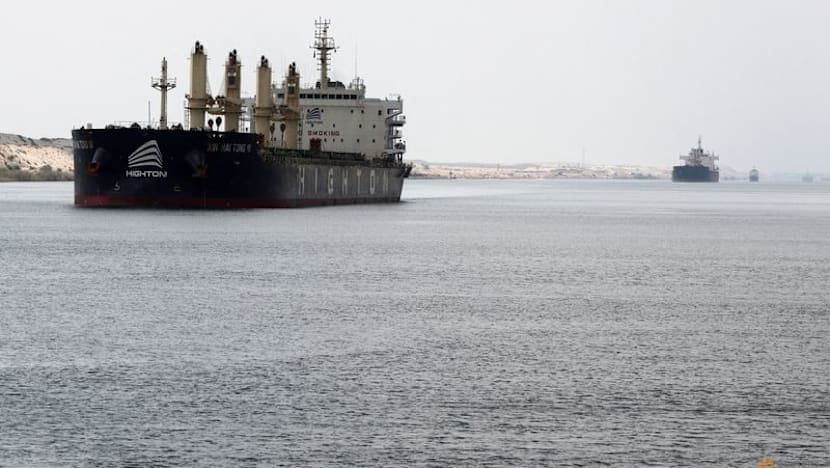
Asian refiners are diverting Saudi crude shipments away from the Red Sea and around Africa, adding weeks to voyage times and lifting freight costs as Houthi militants threaten a naval blockade.
Asian refiners are routing Saudi crude exports through the Suez Canal and around Africa after Yemen’s Houthi movement threatened a naval blockade on Saudi Arabia. Two tankers carrying Saudi crude to Asia reversed course in the Red Sea on Tuesday, while transit through the Strait of Hormuz also declined this week.
The redirection is the latest supply chain shock stemming from the U.S.-Israeli war with Iran, a conflict that has sharply reduced global oil supplies. For refiners already scrambling to secure alternative barrels, these logistical detours translate directly into higher freight and fuel expenses, squeezing margins.
Shipping west from the Red Sea port of Yanbu to the Suez Canal and around the Cape of Good Hope adds up to four weeks to a typical eastbound journey through the Arabian Sea. The Suez route is traditionally used for shipments to Europe, making its deployment for Asian-bound crude a stark indicator of Red Sea insecurity.
Vessel tracking data from LSEG and Kpler showed the Liberia-flagged tanker Rodos, loaded at Yanbu for India's west coast, turning west toward the Suez Canal on Tuesday. Separately, South Korean refiner Hyundai Oilbank was seeking a Very Large Crude Carrier at Yanbu with the option to transit the canal and Egypt's SUMED pipeline to reach South Korea.
Moving a fully loaded VLCC through the Suez Canal is impossible due to draft limits, forcing shippers to execute complex lightering operations. A portion of the crude is transferred to the SUMED pipeline on the Red Sea side, allowing the ship to transit the canal before reloading the cargo on the Mediterranean side. Charterers will calculate the final cost of this deviation later.
The sudden pivot highlights the vulnerability of global energy infrastructure amid the regional conflict. "Changing behavior by tankers tells us that they are taking the threats seriously," said Matt Smith, commodity research director at Kpler. The disruption strikes at a peak moment for Saudi export flows, with crude and refined products transiting the Bab el-Mandeb Strait hitting a record of over 4 million barrels per day just last month.