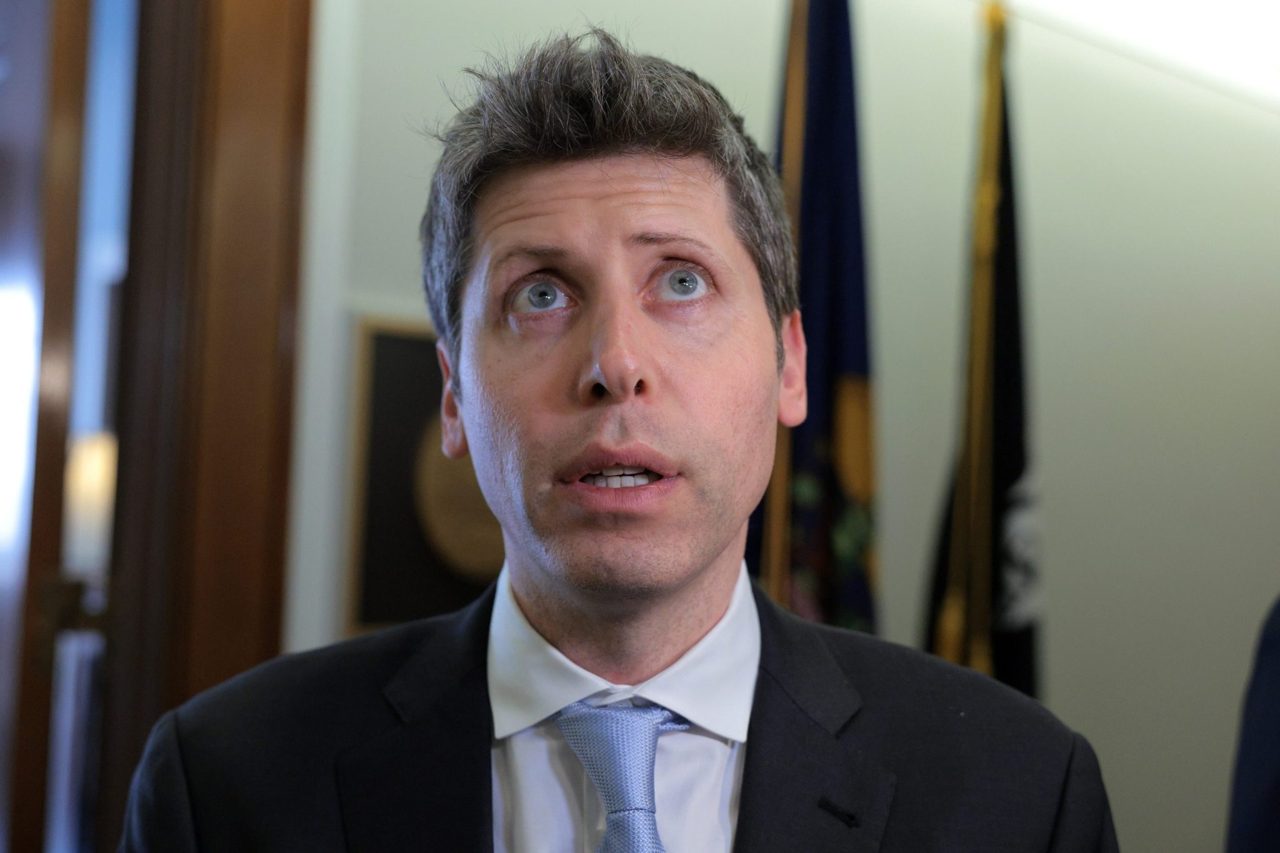
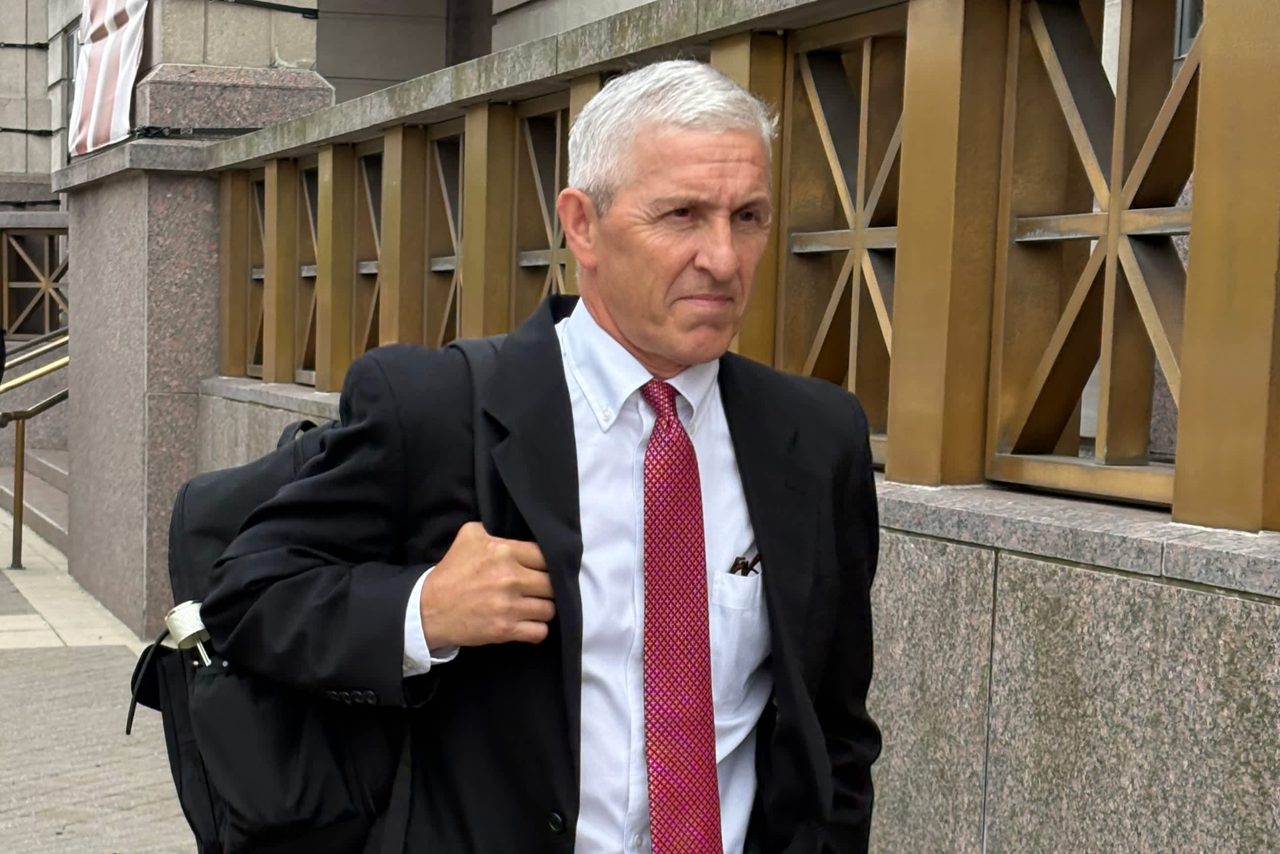
Healey named chancellor as Burnham funds VAT cut via ID axe
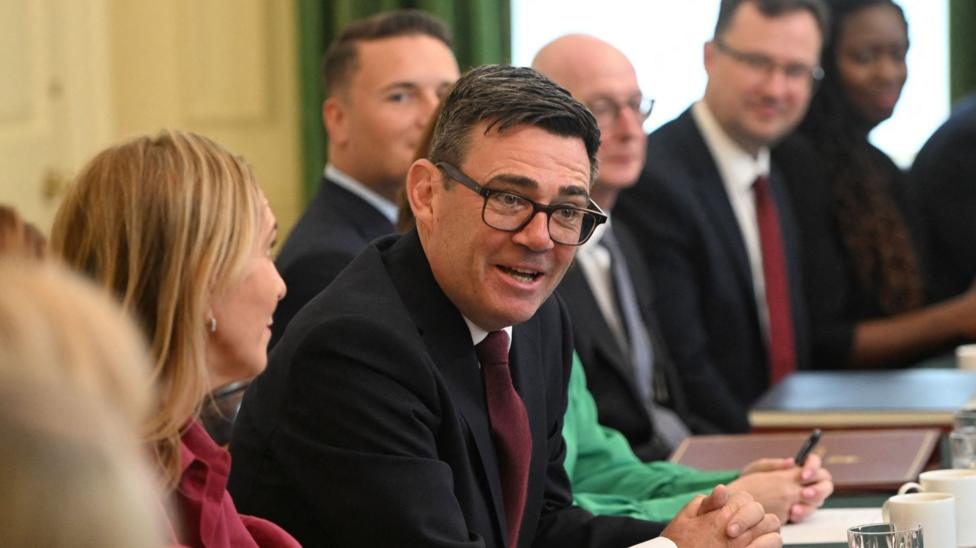
Andy Burnham has appointed John Healey as chancellor and announced a VAT cut on energy bills, but immediate questions over the plan's funding have raised early concerns about the new government's fiscal credibility.
Prime Minister Andy Burnham has pledged to run a "cost of living government" after using his first cabinet meeting to announce a reduction in VAT on household energy bills. The levy on electricity will drop from 5% to zero from October in England, Wales, and Scotland. The policy will not apply in Northern Ireland due to post-Brexit rules; instead, Stormont will receive extra Treasury funding for living cost measures.
The Treasury estimated the £850m cost for the remainder of the financial year will be covered by scrapping the previous administration's £1.8bn digital ID scheme. However, this funding mechanism sparked an immediate backlash from opposition parties and former ministers, threatening to overshadow the new prime minister's debut. Darren Jones, a former minister sacked in Monday's reshuffle, claimed the digital ID programme was "unfunded", meaning Burnham must still identify alternative revenue streams.
The dispute centres on whether the ID scheme money represented genuine new cash or merely departmental reallocations previously flagged by the budget watchdog. "We are only one day in and already Labour are playing fast and loose with the public finances," said Conservative shadow chancellor Sir Mel Stride. A Downing Street spokesman pushed back, insisting the VAT cut would be paid for by redirecting "savings" already identified by Whitehall departments.
Financial markets will be closely watching Burnham's surprise appointment of John Healey as chancellor. Healey, who previously resigned as defence secretary under Sir Keir Starmer during a dispute over military expenditure, takes the finance portfolio at a critical juncture. Burnham warned his cabinet that funding new announcements ahead of his first Budget would require ministers to be "prepared to reprioritise" their existing allocations to maintain tax and spending discipline.
The VAT cut follows a separate £340m allocation to tackle rough sleeping over five years, funded from uncommitted housing department spending. While the measure offers minor household relief, Nigel Farage argued it fails to "address the real issue of the cost of living", pointing instead to green levies on bills as the primary driver of expenses. This suggests energy levies could face further government scrutiny in the upcoming Budget.
The wide-ranging reshuffle saw key Starmer allies, including former chancellor Rachel Reeves and David Lammy, exit government entirely. Ed Miliband was promoted to foreign secretary, while Burnham ally Louise Haigh was handed control of the Cabinet Office. Separately, the prime minister confirmed plans for "No 10 North" in Manchester, a new unit controlling local economic growth that will be based in a current GCHQ building.