Nigeria launches N729bn bond to settle power sector debts
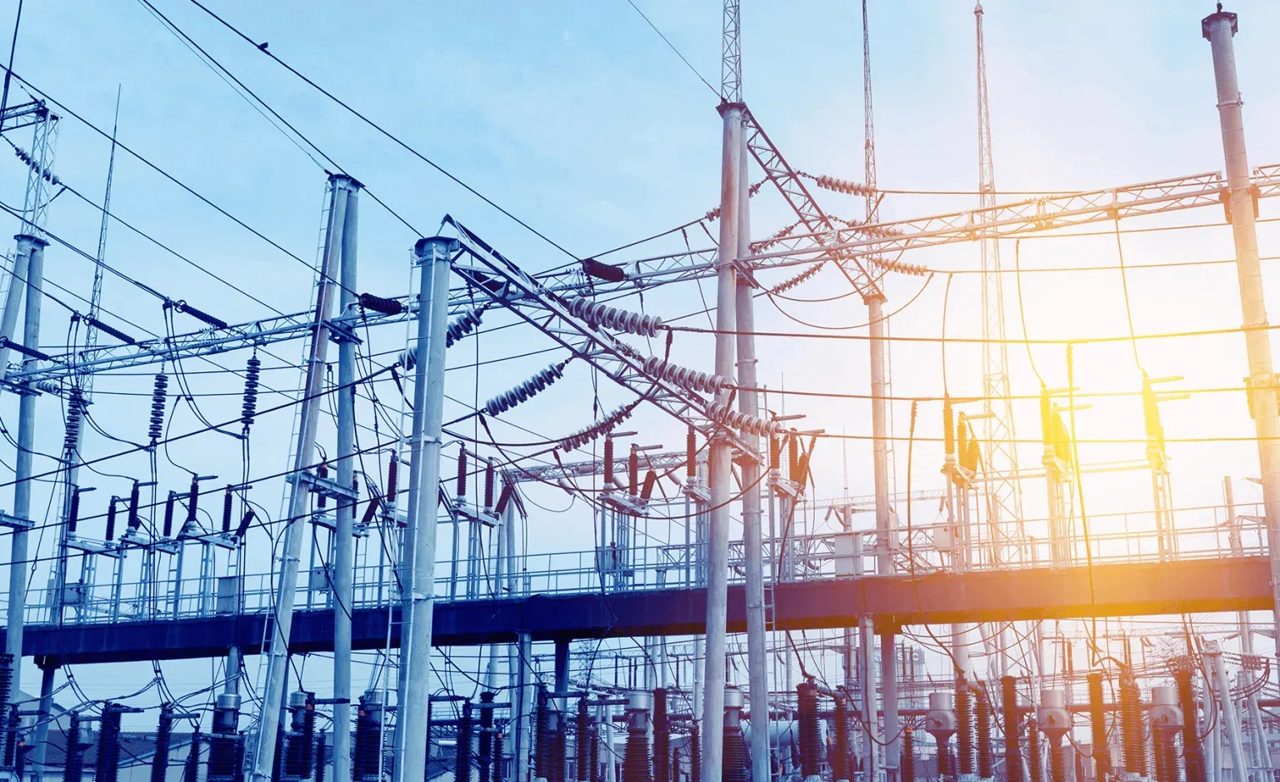
Nigeria is issuing a N729 billion bond to clear legacy power sector debts, a move that aims to lower future capital costs by proving the government honours its financial obligations.
The Nigerian government has launched a N729 billion bond to settle verified legacy debts owed to electricity generation companies, gas suppliers and other service providers. Issued by the Nigerian Bulk Electricity Trading (NBET) Plc alongside financial advisor CardinalStone, the offering represents the second series of the Presidential Power Sector Debt Reduction Programme. This issuance is explicitly designed to complete the first phase of the government's broader debt settlement efforts across the electricity value chain.
The overarching programme targets a verified debt pool of roughly N3.3 trillion, reduced from an initial N4 trillion following a rigorous line-by-line government audit of outstanding liabilities. By clearing these arrears, Abuja aims to resolve a chronic liquidity crisis that has historically undermined the commercial viability of the national electricity market. Timely settlement is critical, as it allows generation companies to meet their own obligations to gas suppliers, lenders and maintenance contractors.
The latest bond follows a first series launched in February 2026, which deployed N501 billion through a mix of N300 billion in cash and N201 billion in non-cash bond instruments. That seven-year tranche priced at a yield of 17.5 percent, with commercial banks taking 41.5 percent of the cash portion, pension fund administrators committing approximately N150 billion, and asset managers taking N17 billion. The government has already disbursed N333 billion to eight generation companies covering 17 power plants, and made its first coupon payment of N63.5 billion in full on July 14.
Government officials framed the debt issuances as a deliberate test of sovereign credibility that carries direct implications for future borrowing costs. “Investors do not reward intentions; they reward execution. Every commitment honoured today reduces the cost of capital tomorrow,” said Finance Minister Taiwo Oyedele. Olu Verheijen, Special Adviser to the President on Oil and Gas, echoed this sentiment, stating: “Markets do not reward promises; they reward performance. Capital follows credibility.”
Organisers are now looking to diversify the buyer base for the new N729 billion offering beyond the commercial banks and pension funds that dominated the first tranche. Onyebuchim Obiyemi, Head of Investment Banking at CardinalStone, noted the goal is to attract increased participation from insurance companies, asset managers and family offices. Power Minister Joseph Tegbe said the ultimate objective is “a financially sustainable, investment-led electricity market that powers Nigeria’s industrial renaissance.”