World Cup 2030 US Rights Auction Tests Bidders' Models
FIFA’s upcoming US auction for the 2030 World Cup will reward the media platform best equipped to monetize a time-zone-discounted tournament where Spanish-language audiences now dictate the pricing floor.
FIFA is preparing to sell the US media rights for the 2030 World Cup following a North American tournament that dramatically altered audience expectations. The organization has signaled it may bundle the 2030 rights with other tournaments, a strategy it recently deployed in a Republic of Ireland tender.
The decisive shift in valuation stems from the Spanish-language market. Telemundo and Peacock captured 48% of the combined US audience during the 2026 group stage, despite US Hispanics making up roughly 20% of the population. A combined English- and Spanish-language package will make this demand the pricing floor, forcing any English-language bidder to account for the 10.4 million viewers Telemundo averaged across the quarterfinals.
Digital consumption drove much of this growth. Peacock’s average minute audience for Spanish-language streams hit 2 million during the 2026 group stage, a 251% increase from 2022. This proves streaming is now a primary driver of tournament audience growth rather than a secondary distribution window.
Competing Business Models
Fox holds the incumbent advantage but faces integration hurdles. Its proposed $22 billion acquisition of Roku would supply first-party data and access to over 100 million global streaming households, but introduces significant financing demands ahead of the tournament.
NBCUniversal demonstrated a cross-platform model leveraging Telemundo advertising, Peacock subscriptions and broadcast reach. However, Comcast’s planned tax-free separation of NBCUniversal and Sky creates uncertainty regarding where future sports budgets will reside.
YouTube offers a challenger model, treating the tournament as an interactive subscription product using features like multiview, similar to its handling of NFL Sunday Ticket. Disney and ESPN bring established live-event infrastructure, but portfolio pressure from an 11-year NBA and WNBA deal running through 2036 complicates their bidding capacity.
Netflix remains a distinct contender. Its exclusive US rights to the 2027 and 2031 Women’s World Cups provide a production trial run and a direct working relationship with FIFA ahead of the men’s auction.
The Time-Zone Discount
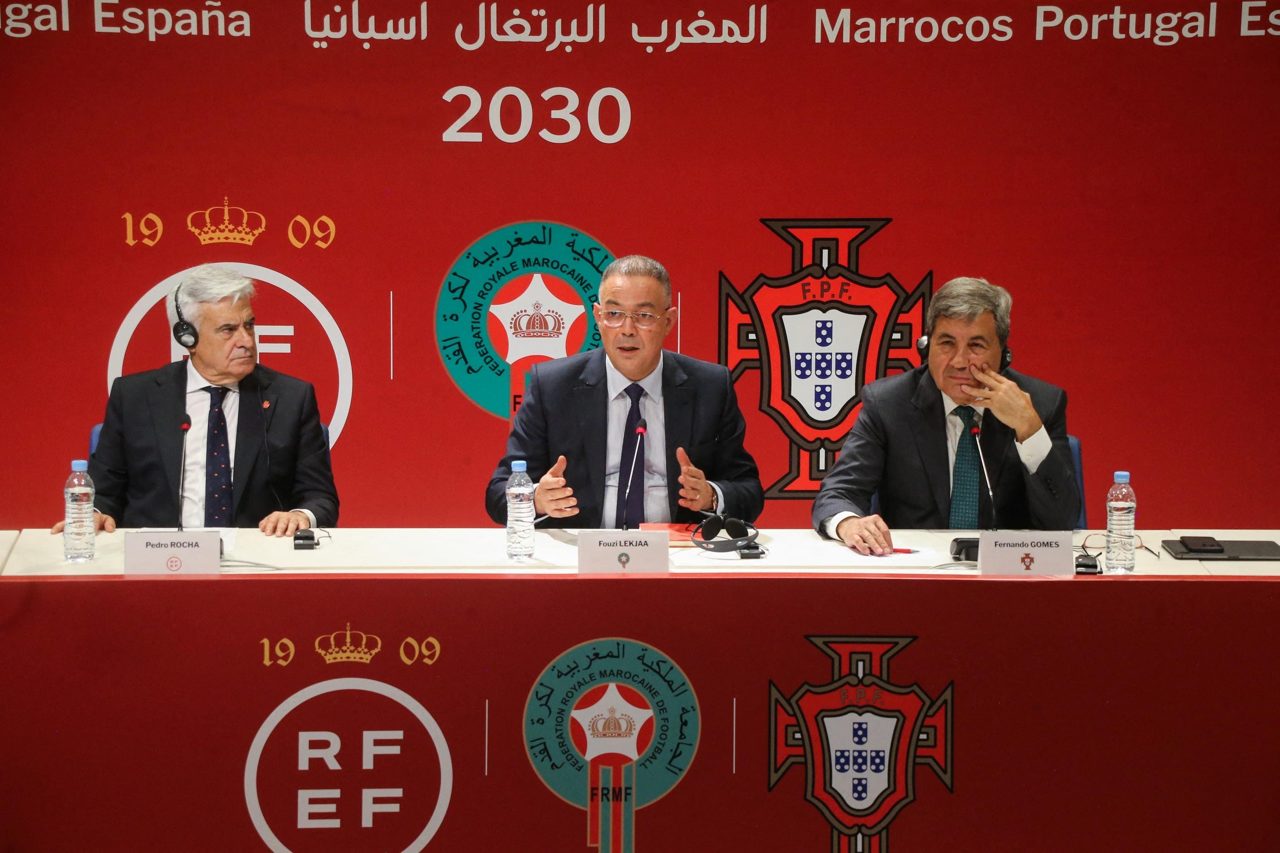
Unlike the favorable North American scheduling of 2026, the 2030 tournament will be primarily staged in Morocco, Portugal and Spain. A 9 p.m. kickoff in Madrid translates to a 3 p.m. start on the US East Coast and noon on the West Coast.
Fewer matches will naturally occupy US primetime, creating a hidden discount within FIFA’s record-audience sales pitch. While live sports scarcity is becoming more valuable as generative AI reduces scripted production costs, the 2030 winner will not simply be the company with the largest sports budget. It will be the platform capable of making off-peak US viewing hours pay across multiple business lines.