Dimon shuns stocks and Treasuries, warns of underpriced risks
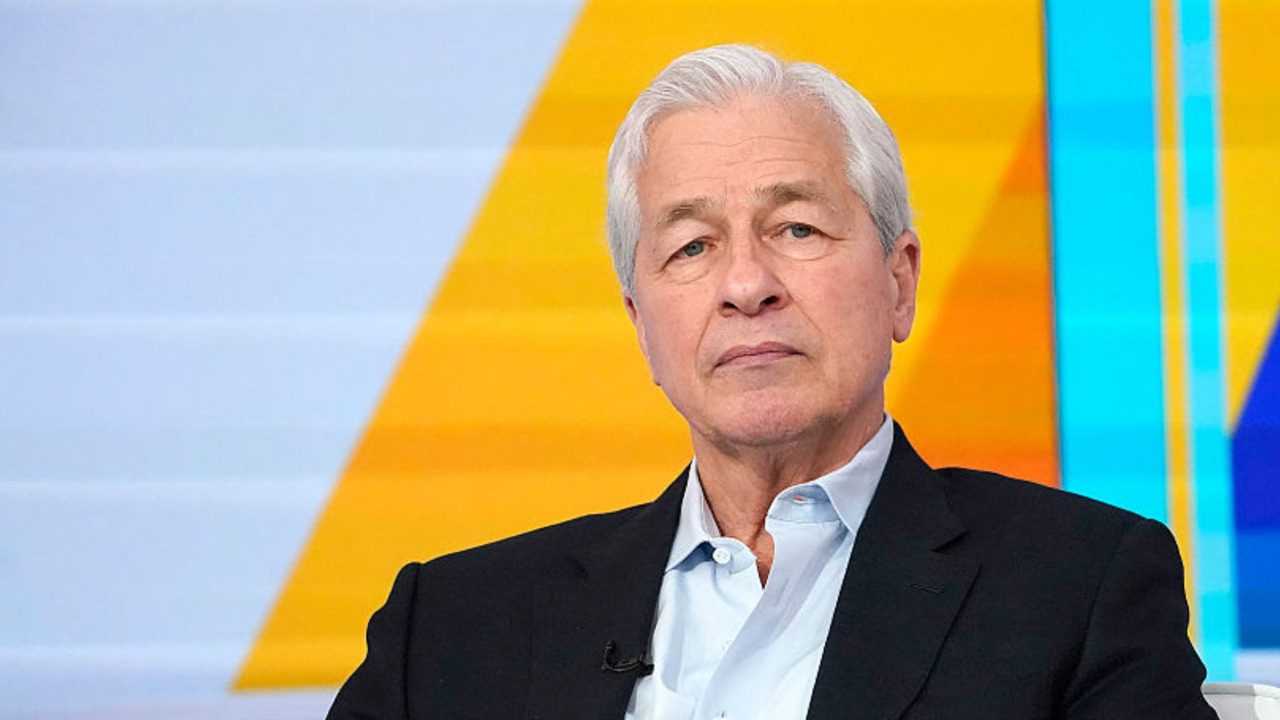
JPMorgan Chase CEO Jamie Dimon is refusing to buy equities or U.S. government debt at current prices, signaling that markets are dangerously complacent about geopolitical escalation and a potential sovereign debt shock.
JPMorgan Chase CEO Jamie Dimon has explicitly pulled back from buying both U.S. equities and Treasuries at current levels, warning that investors are severely underestimating global threats. In an interview with CNBC, the head of the largest U.S. bank said he would not deploy capital into either asset class right now.
His pessimism stands in stark contrast to the current market consensus. Year to date, the Dow has climbed nearly 8%, the S&P 500 is up around 10%, and the Nasdaq has gained roughly 11%. Dimon attributed this resilience to investors downplaying escalating conflicts, specifically pointing to the U.S.-Iran war and the ongoing fighting in Ukraine.
"I do think those risks are probably bigger than other people think," Dimon said. While he conceded that the immediate impact of these wars might already be reflected in asset prices, he warned that the market cannot price the unknown. "It's possible something's baked in, but what's not baked in is what actually happens," he added.
The bond market trigger
Dimon’s aversion to U.S. Treasuries underscores a deeper structural concern he has voiced for months regarding a looming crisis in government debt. Speaking at an investment conference in Oslo in May, he warned that rising geopolitical tensions would inevitably drive up the cost of energy and defense production, stoking inflation just as government deficits continue to expand. "The way it's going now, there will be some kind of bond crisis, and then we'll have to deal with it," he predicted.
This is not a new thesis for the JPMorgan chief. Last year, he told an audience that a "crack" in the bond market was inevitable, directly addressing regulators in the room. "It is going to happen. And I tell this to my regulators, some of you who are in this room, I'm telling you it's going to happen, and you're going to panic."
For market professionals, the immediate takeaway is the removal of a traditional safety net. If the CEO of a systemically critical bank is avoiding both risk assets and perceived safe havens like U.S. sovereign debt, it suggests a deep conviction that volatility is being mispriced across the board. Dimon declined to provide an exact timeline for a correction but told the BBC in October that it could arrive anywhere from six months to two years from now. "I say the level of uncertainty should be higher in most people's minds than what I would call normal," he said.