Roland Garros offers player revenue share, escalating grand slam pay dispute
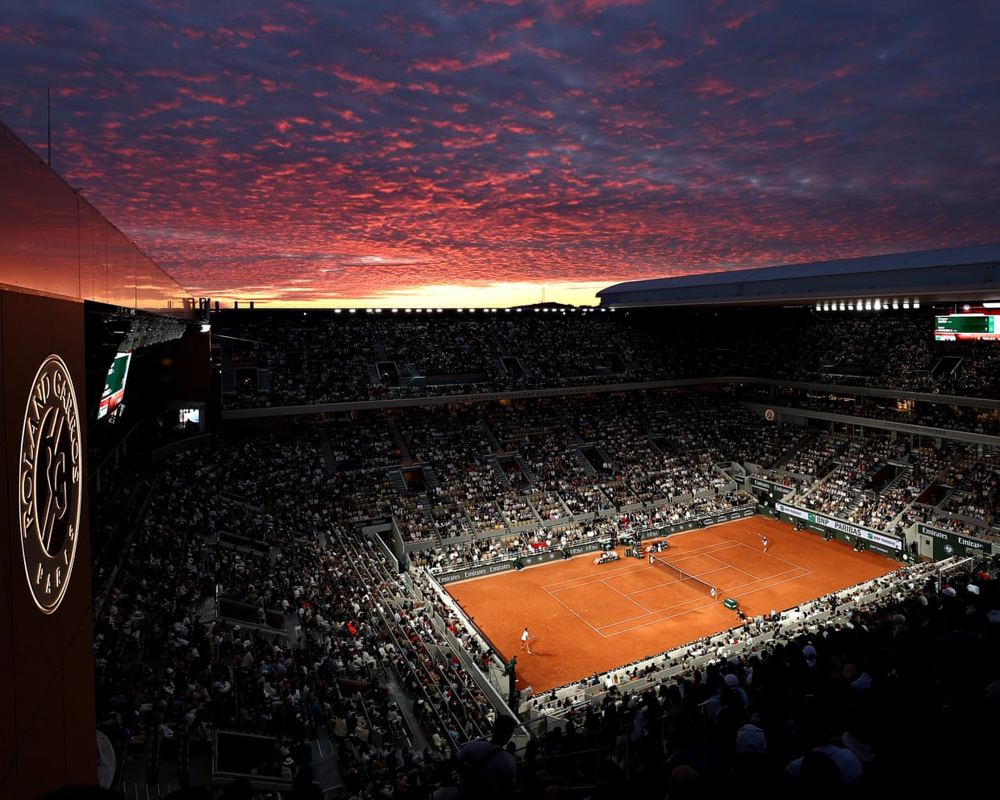
The French Open has become the first grand slam tournament to propose a revenue-sharing model for player compensation, a structural shift that intensifies financial pressure on rival tournaments and redefines sports governance.
Roland Garros officials presented a revenue-sharing compensation model to players' representative Larry Scott during talks at Wimbledon two weeks ago. This makes the French Open the first of the four major tennis tournaments to commit to tying player payouts directly to event income.
The proposal addresses player demands for a fixed financial formula rather than relying on annual discretionary awards. Representatives are seeking binding guarantees that all grand slams allocate 16 percent of total revenue to prize money immediately, scaling to 22 percent by 2030.
The French Open's offer extends beyond base compensation to include structural contributions toward player pensions and healthcare. Crucially, it also grants athletes a formalized role in tournament governance, marking a significant transfer of economic and operational power to the workforce.
This collaborative approach sharply contrasts with the rigid financial stance taken by the All England Club. Chair Debbie Jevans stated last month that using tournament revenues to determine prize money made "no sense," a comment that previously prompted players to threaten a first-week media boycott at Wimbledon.
The French Open's concession now shifts intense financial scrutiny to the US Open, which is scheduled to announce its prize fund early next month. The timing coincides with the arrival of Craig Tiley as the new chief executive of the US Tennis Association, complicating his initial strategic mandate.
The US Open faces mounting market expectations to match this structural shift and retain top talent. The tournament increased its prize pool by 20 percent to $90 million last year, up from $75 million the previous year. Replicating that growth would push the total prize pot past $100 million for the first time.
Players are actively leveraging their participation to force a resolution across the broader sports economy. Men's world number one Jannik Sinner and others have threatened to skip the US Open mixed doubles event at Flushing Meadows next month if substantial progress is not achieved.
For investors and sports executives, this dispute highlights a broader trend of athletes demanding equity stakes and transparent financial modeling. A standardized revenue-share agreement at the US Open would set a new baseline for compensation across global professional sports.