Brazil to Finance $2.3bn Submarine Build for Argentina
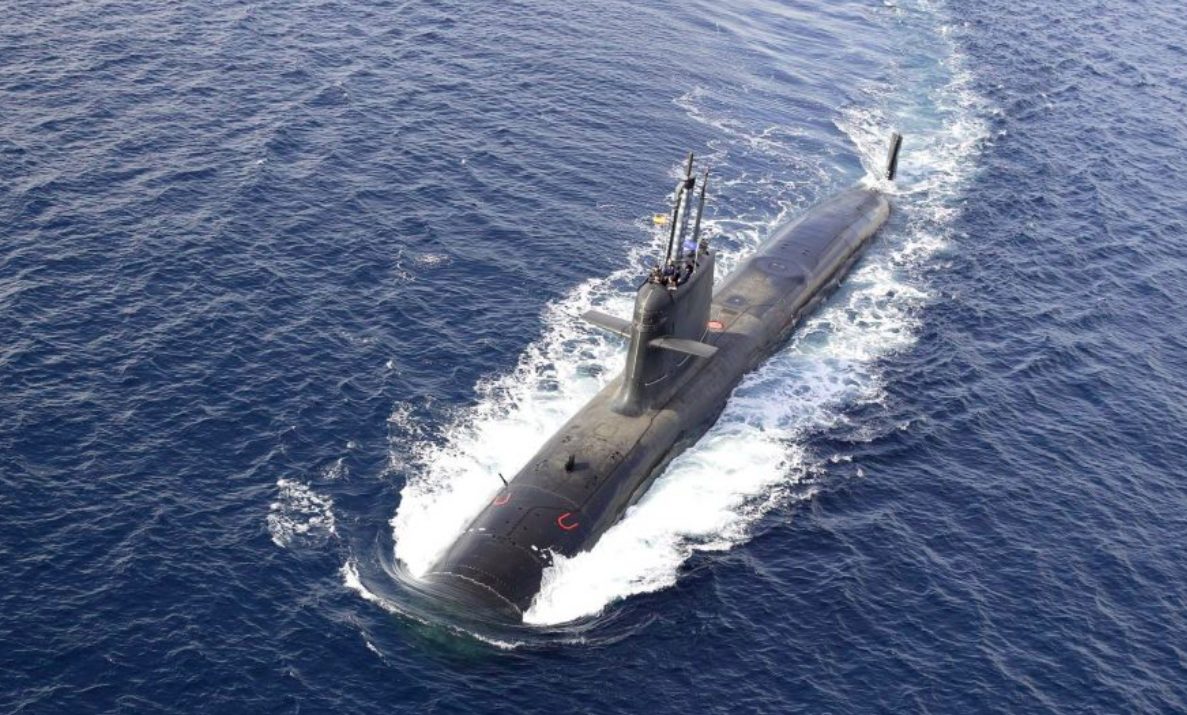
A trilateral defense pact will see Brazil finance and manufacture $2 billion worth of French submarines for Argentina, extending a key Brazilian production line and securing offshore energy assets for foreign investors.
Brazil is preparing to facilitate a $2.31 billion multiyear loan to fund the construction of three French-designed submarines for Argentina. Defense Minister José Múcio confirmed Brazil's central role in the agreement, which would see the vessels built at the Itaguaí Naval Base near Rio de Janeiro rather than in France.
The deal centers on three Scorpène-class diesel-electric attack submarines valued at roughly $2 billion, or about $700 million per boat. By utilizing the existing production line that builds Brazil’s own Riachuelo-class vessels, Argentina avoids the capital expenditure of developing a domestic shipyard while securing a stealth design proven in South American waters.
For Brazil’s defense sector, the contract guarantees a sustained production run at Itaguaí, preserving skilled industrial jobs and cementing the country's status as a regional manufacturing hub. The financing structure is expected to layer French state export guarantees with Brazilian credit lines, distributing risk across three governments.
Argentina's underwater fleet has been entirely non-operational since the ARA San Juan sank in November 2017 with 44 crew members. Its only remaining vessel is restricted to dockside training, forcing crews to practice aboard Peruvian boats. Restoring this capability is a direct asset protection measure for foreign capital, as the new submarines will patrol vast offshore energy basins and global seafood supply chains that currently lack robust naval surveillance.
The agreement also carries macroeconomic implications for Latin American markets. Deepening bilateral industrial ties could smooth cross-border trade flows and dampen the political volatility that frequently rattles investors in both Buenos Aires and São Paulo. Furthermore, it establishes a unified South Atlantic fleet architecture alongside Chile, keeping regional defense networks aligned with Western suppliers and definitively overtaking Germany’s ThyssenKrupp Marine Systems for the contract.
The deal remains unsigned as of July 2026, stalled by the complexity of integrating Argentina's constrained budget into the financing model. Negotiations are expected to intensify later this year, but once finalized, a five-year construction timeline means the first submarine would not enter service until around 2032.