Energy Dome lands 10-year deal for Irish CO2 battery
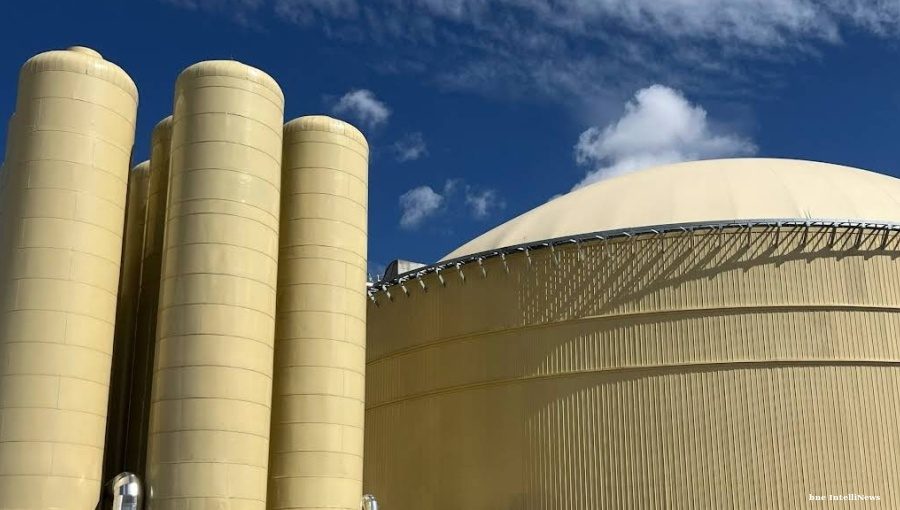
Milan-based Energy Dome will build a 200 MWh carbon dioxide battery in Ireland under a decade-long grid contract, offering investors a lithium-free hedge against supply chain risks in the long-duration energy storage market.
Energy Dome, a Milan-based energy storage developer, and Irish firm Lumcloon Energy will build a 200 MWh carbon dioxide battery in County Offaly. Ireland’s state-owned transmission operator EirGrid has awarded the plant a 10-year capacity contract, with operations expected to start in 2028.
Unlike most lithium-ion installations designed to discharge for just one or two hours, the Offaly facility will store surplus wind and solar power for up to eight hours. This targets a critical gap in European energy markets, where current grid-scale storage can cover only about 15 minutes of average demand.
Ireland’s Electricity Storage Policy Framework identifies long-duration storage as central to its target of generating 80% of its electricity from renewable sources by 2030. For developers and financiers, the system offers a structural hedge against lithium. Conventional batteries rely on concentrated mining and Chinese-dominated processing, exposing buyers to commodity volatility and geopolitical risk. Energy Dome’s system uses steel, water, and sealed CO2 instead.
This marks Energy Dome’s first commercial grid-scale project, moving beyond its 20 MW, 200 MWh demonstration plant in Sardinia that has operated for a year with Engie as offtaker. It follows a smaller 19 MW, 200 MWh project announced in June with Google and Arizona utility Salt River Project. “This project unlocks the path to 24/7 carbon-free energy in Ireland,” said Claudio Spadacini, the company’s founder and chief executive.
The plant will sit on a former peat-fired power station near Rhode, a site that already holds planning consent and a grid connection to Dublin. Google is supporting the Irish development, with Vanessa Hartley, head of Google Ireland, noting it will “help scale their promising long-duration energy storage technology.”
The Offaly site is located in an area where grid congestion forces renewable generators to curtail output. By absorbing this excess generation and discharging it during scarcity, the battery is designed to capture significant price spreads. Short-duration batteries in Australia have already proved this model can flatten evening spikes that once hit $500 per MWh.
A second 200 MWh unit is planned for the Offaly site. However, significant execution risks remain. The plant will not enter service until 2028, and its long-term costs and reliability must still prove competitive against steadily falling lithium-ion battery prices.