Gold Flat Near $4,000 Ahead of Fed Meeting as Middle East Conflict Escalates
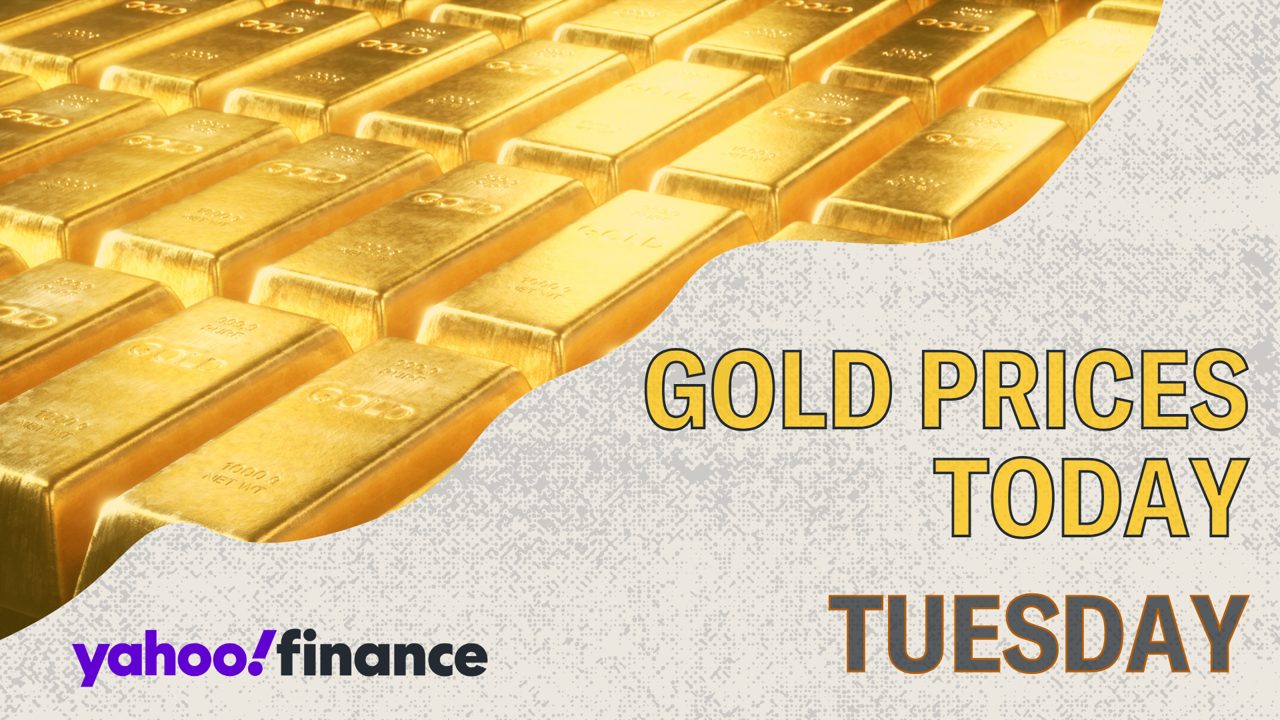
Gold futures are stuck in a tight range near $4,000 as investors weigh the inflationary impact of an escalating Middle East conflict against the risk of an unexpected Federal Reserve rate hike next week.
Gold August futures opened at $4,013.40 per troy ounce on Tuesday, down 0.1% from Monday's close, before climbing to $4,063.40 by mid-morning. The precious metal has traded in a narrow band around the $4,000 mark for the past week. Traders are hesitant to make large directional bets before major catalysts materialize.
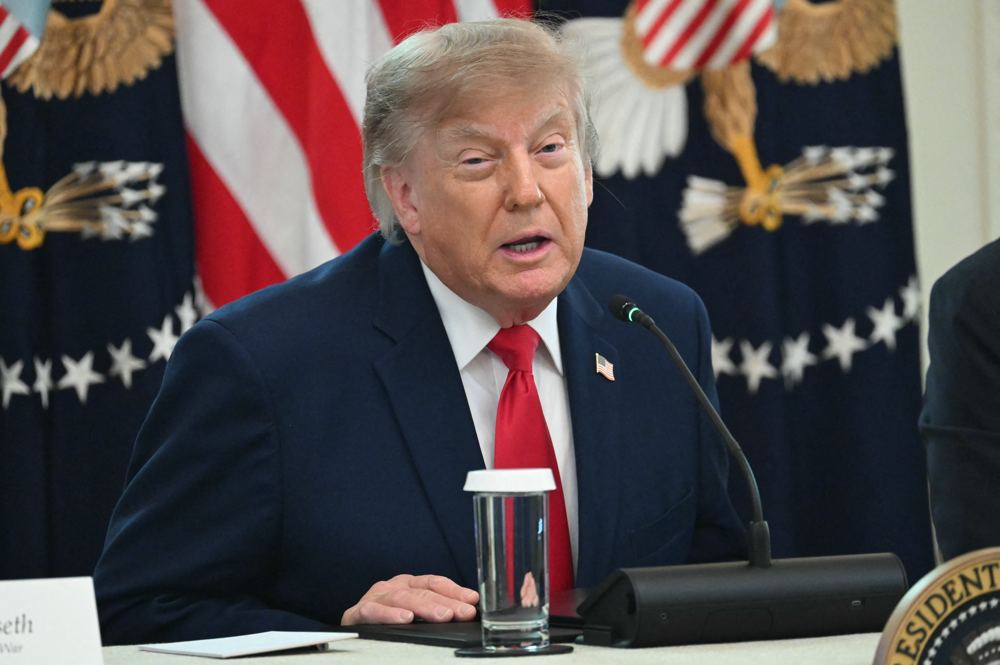
Those catalysts are split between geopolitical and monetary policy fronts. Escalating hostilities in the Middle East are driving inflation anxieties, particularly after President Trump vowed revenge for the deaths of American soldiers and reportedly weighed expanding attacks against Iran. Simultaneously, the Federal Reserve is set to announce its interest rate decision next Wednesday.
CME FedWatch data indicates a broad consensus for rates to remain unchanged, but a 16.6% probability of a 25-basis-point increase is hanging over the market. Continued military conflict elevates inflation risks, which typically supports gold as a hedge. However, the corresponding threat of higher interest rates creates a countervailing force, as rising yields draw capital toward yield-bearing assets.
The current pricing reflects a market caught in this crosswind. While gold has eked out a 0.4% gain over the past week, it is down 6.2% from a month ago. This marks a stark pullback from late January, when the metal's one-year gain peaked at 95.6%. Still, it retains a 19.8% advance compared to a year ago, underpinned by central bank demand.
Entry Point Risks
For market participants considering new positions at these elevated levels, analysts urge caution regarding timing. "Buying high to hope for short-term higher is a tough strategy," said Darrell Fletcher, managing director of commodities at Bannockburn Capital Markets.
Rather than chasing momentum, institutional buyers are viewing gold through the lens of long-term allocation. "Gold should not be seen as a driver of supercharged returns, it's there to act primarily as a stabilizer in a diversified portfolio," explained Alex Tsepaev, chief strategy officer of B2PRIME Group.
Thomas Winmill, portfolio manager at Midas Funds, framed the current environment as inherently speculative. "Commodity prices are dependent on macroeconomic, political, industrial, and financial factors that are unpredictable, and in some cases, unknowable," he noted. With the trajectory of the Iran conflict and the Fed's ultimate policy response still uncertain, gold's near-term direction remains at the mercy of outside forces.