US Tightens Cuba Economic Squeeze Amid State Dept Report
A new US State Department report signals no let-up in the maximum-pressure campaign against Cuba, keeping sanctions risks elevated for foreign businesses.
The US State Department published a 100-page report on Monday labelling Cuba a "unique threat to American homeland security" and blaming it for domestic political unrest. The document, titled "Cuba: Capital of 21st-Century Communism", represents the latest escalation in a coordinated US campaign aimed at toppling the island's government.
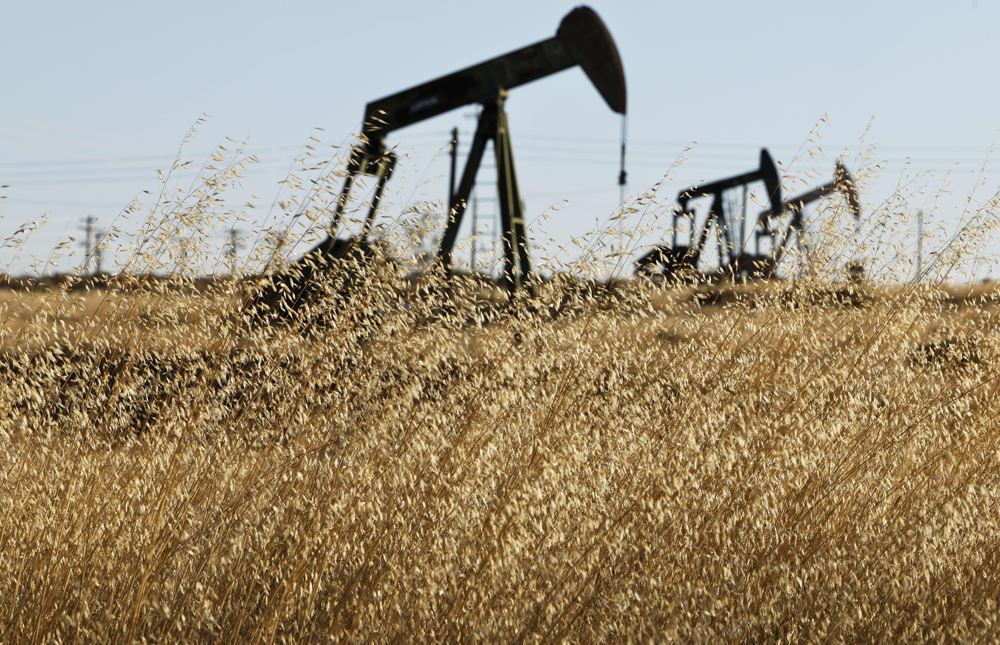
For international investors and executives, the publication underscores that Washington's aggressive economic posture is unlikely to soften. The campaign, which began with the abduction of Venezuelan President Nicolás Maduro on 3 January, has already manifested in a six-month US oil blockade against Cuba, broad sanctions on foreign businesses, and explicit threats of military intervention.
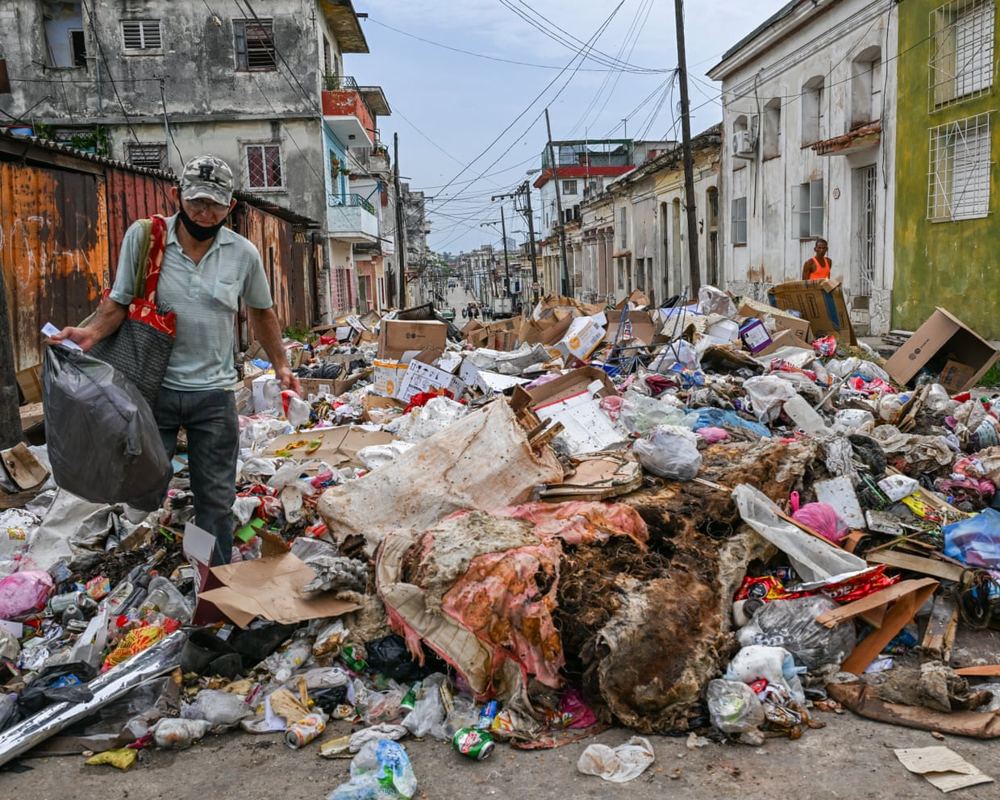
The economic toll on the ground is severe. Cuba has endured 24-hour blackouts, and for five years its government has been unable to afford to feed its 9.5 million people. Citizens currently search through uncollected rubbish for food, a humanitarian crisis that the State Department document largely dismisses. "To mistake Cuba’s poverty for harmlessness is to misunderstand the threat entirely," the report reads.
The timing of the release, ahead of November’s midterm elections, suggests a political imperative to marginalise the American left. The State Department, led by Cuban-American Marco Rubio, refused to name the report's author. It claims without providing new evidence that Havana infiltrates US institutions through activist networks, which it calls "one of the single largest, most sophisticated and dangerous vectors for hostile foreign influence in modern American history."
The narrative has been met with sharp criticism. Cuban President Miguel Díaz-Canel accused the US of embracing a "new and more dangerous version of McCarthyism." One unnamed Cuban academic offered a blunter assessment of the document's framing: “It reads just like a report Cuba’s state media might write about the United States.”