Nigeria central bank holds rate at 26.5% as food inflation rises
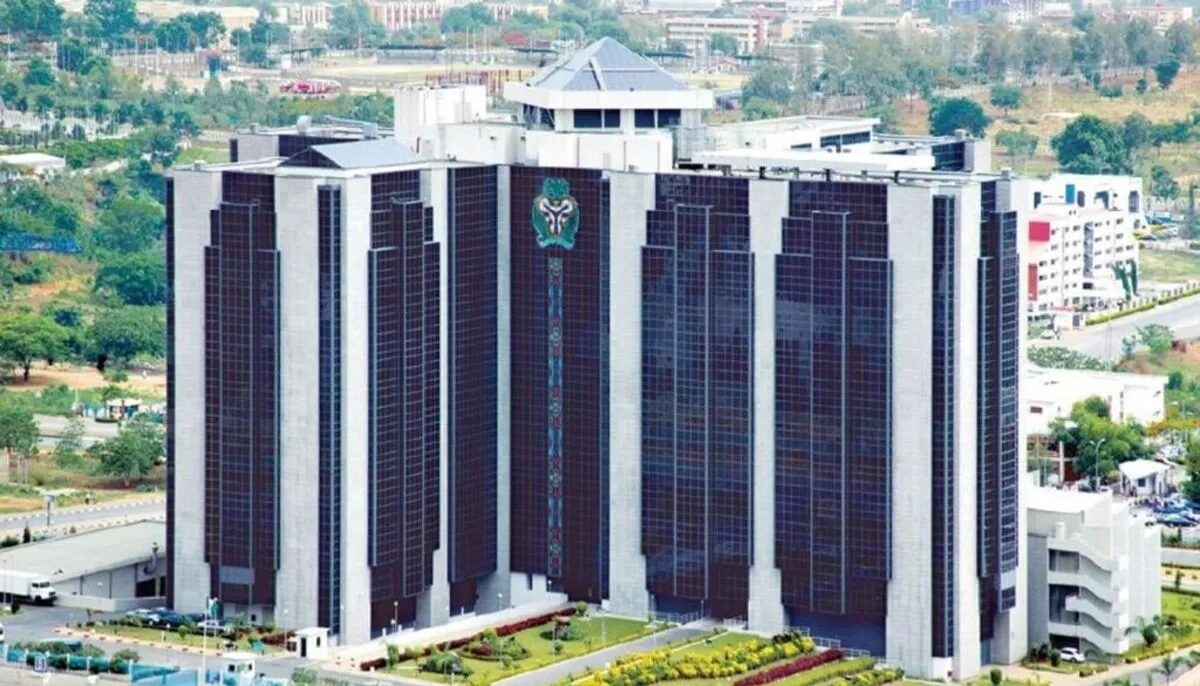
The Central Bank of Nigeria kept its benchmark rate at 26.5% to defend macroeconomic gains and foreign exchange stability amid accelerating food prices and rising global risks.
The Central Bank of Nigeria kept its Monetary Policy Rate at 26.5% at the conclusion of its July 20 and 21 meeting in Abuja. Governor Olayemi Cardoso said the 11-member committee chose to maintain a tight stance to protect the country's recent macroeconomic progress. All other monetary policy parameters were left unchanged.
The Cash Reserve Ratio was held at 45% for commercial banks and 16% for merchant banks. The Standing Facilities Corridor was kept at +50/-450 basis points around the MPR, while the CRR on non-TSA public sector deposits remained at a restrictive 75%. These measures continue to lock up significant liquidity in the banking system.
The hold occurs despite a marginal slowdown in headline inflation, which eased to 15.91% in June from 15.93% in May. However, underlying food costs are moving in the opposite direction. Food inflation accelerated to a monthly rate of 3.75% in June, up from 2.98% in the prior month, complicating the central bank's efforts.
Geopolitical tensions also factored heavily into the committee's calculus. "Global uncertainties have heightened due mainly to the renewed hostilities in the Middle East," Cardoso said. "In view of the evolving developments, maintaining a cautious policy stance remains appropriate."
For Nigeria's business community, the decision means borrowing costs will remain elevated. Corporate leaders have repeatedly warned that restrictive financial conditions are suppressing investment and delaying expansion plans. The central bank is effectively prioritizing foreign exchange market stability over near-term growth stimulation.
The current rate marks a slight decline from the peak of 27.50% reached in November 2024 after six consecutive hikes. Cardoso, appointed by President Bola Tinubu in 2023, has guided the economy through a severe tightening cycle alongside fiscal reforms like the flotation of the naira. The next monetary policy meeting is scheduled for September 21 and 22.