AI data centers drive $58bn US water infrastructure risk
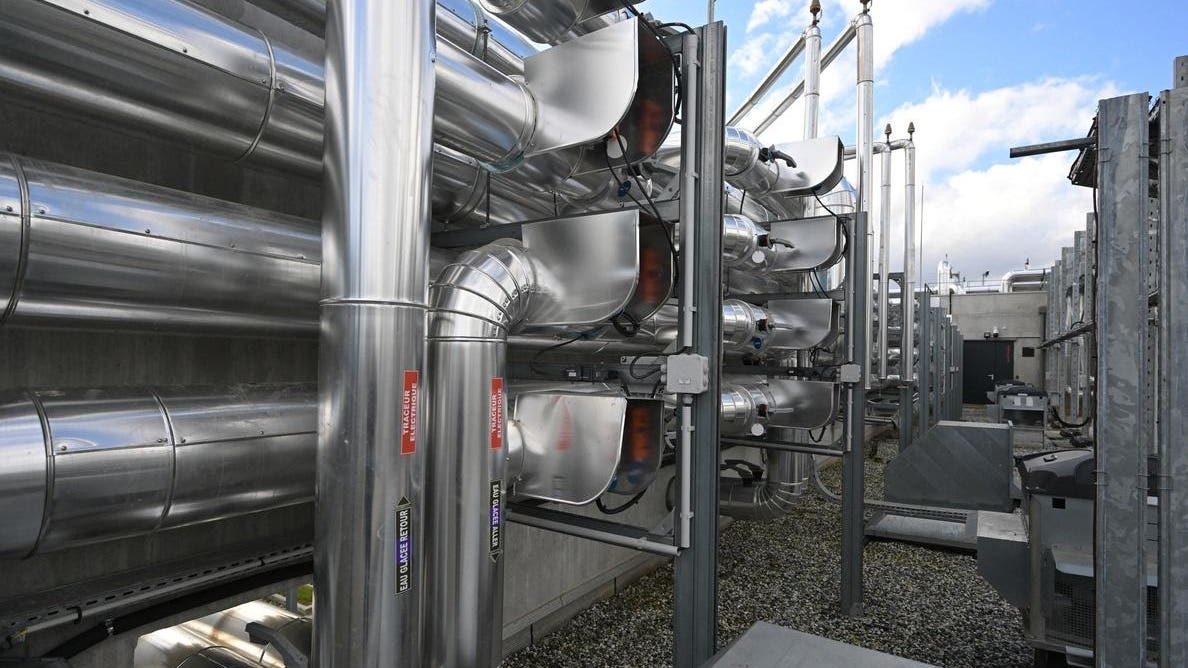
US water systems may need up to $58 billion in new infrastructure by 2030 to handle peak cooling demand from AI data centers, creating a massive financial liability for local utilities if developers do not contractually cover the cost.
A study by UC Riverside and Caltech estimates that U.S. community water systems could require $10 billion to $58 billion in new infrastructure by 2030 to support data center expansion. The financial burden stems not from average annual water use, but from peak daily demand during hot weather.
Evaporative cooling systems can drive daily water consumption to six to 10 times the annual average during heat waves, with some planned facilities exceeding 30 times that baseline. Large projects can draw over one million gallons on a single hot day, and some under-construction sites hold allocations of up to eight million gallons daily.
To accommodate this, U.S. water systems could need an additional 697 million to 1.45 billion gallons of peak capacity per day by the end of the decade. This is roughly equivalent to the entire daily supply of New York City, much of which would sit unused outside of peak periods while utilities finance and maintain it for decades.
The public debate over per-query water consumption misses this engineering constraint. Estimates range wildly, from Sam Altman's claim of 0.32 milliliters per query to over 150 milliliters for certain reasoning models, but these figures vary by hardware, climate, and power source. Local utilities cannot size a pipeline from a national per-prompt average.
Shifting away from water cooling does not eliminate the cost; it merely transfers it to the power grid through increased electricity demand from dry cooling systems. Because these cooling and power decisions are locked in during site selection, the financial risk is determined long before servers are installed.
To prevent data centers from becoming decades-long liabilities for local ratepayers, the researchers recommend executives and officials secure four specific metrics before approving projects. Contracts must capture peak daily demand under the hottest conditions, drought water sources, the split between direct and indirect consumption, and the developer's contractual contribution to new infrastructure. Without enforceable funding terms and large-user capacity charges, the cost of building pipes and treatment plants for AI will fall entirely on the public.