$10M oystercatcher rebound faces new US habitat rules threat
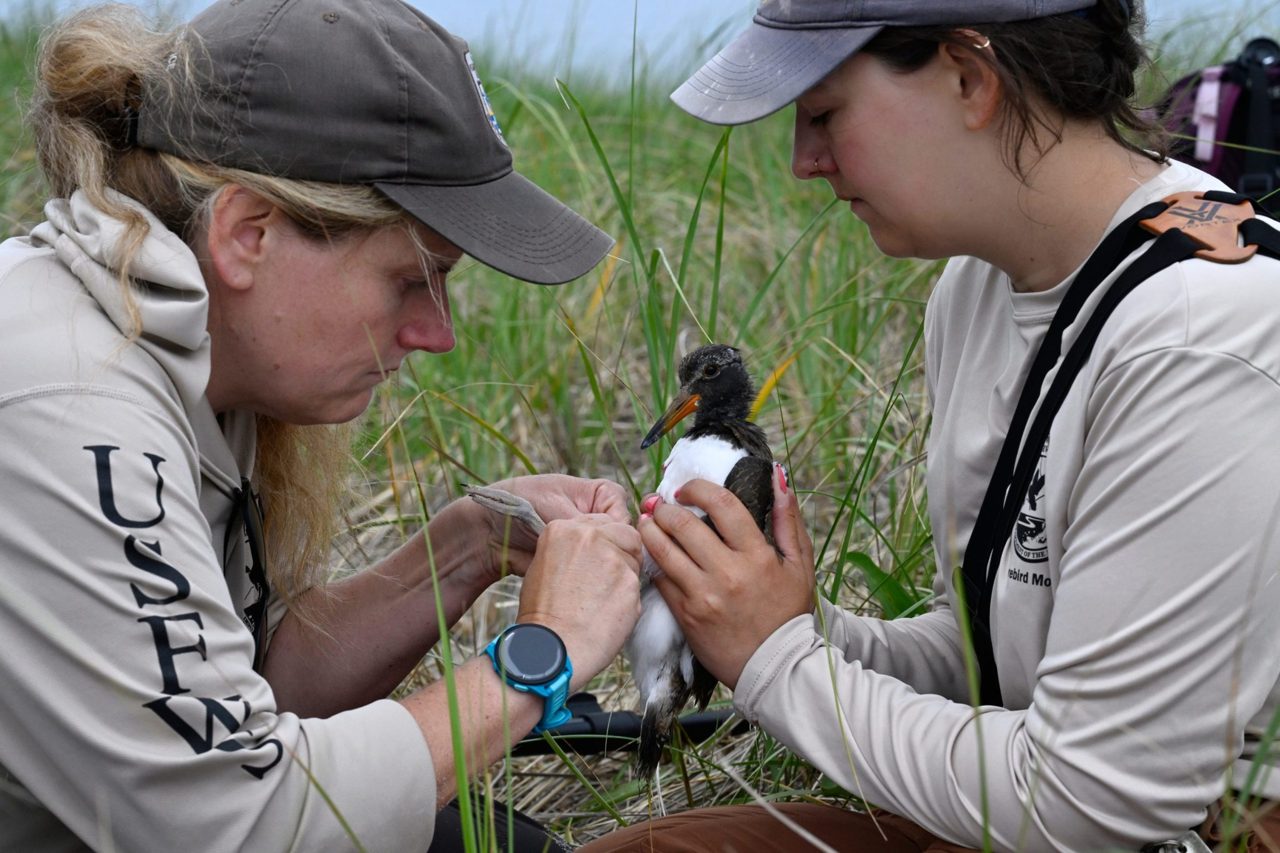
A decade-long, $10 million conservation effort has driven a 45% rebound in American oystercatchers, but new federal rollbacks to habitat protections threaten the regulatory framework underpinning this coastal recovery and future shoreline development.
A coalition of 35 organizations across 16 states has successfully reversed the decline of the American oystercatcher, channeling $10 million over a decade into targeted interventions that increased the bird's population by 45% along the Atlantic and Gulf coasts from 2008 to 2023.
For investors and corporate planners, the campaign demonstrates a cost-effective model for managing environmental risk without triggering the severe economic disruptions of a formal Endangered Species Act listing. Proactive conservation typically requires less capital than the costly litigation, project delays, and operational restrictions that follow federal endangered designations.
"If you focus conservation efforts on a species, especially before it becomes endangered to the point that you’re considering listing, you can actually sort of head off trouble at the pass," said Lindsay Addison, a coastal biologist with Audubon North Carolina. The state saw its breeding pairs grow nearly 20% to 403.
Rather than imposing blanket restrictions, the American Oystercatcher Working Group identified specific, localized threats. For energy and maritime sectors, this meant solutions were highly tailored. In Georgia, officials built elevated nesting platforms out of oystershells, while in North Carolina, conservationists used dredged material from shipping channels to replenish shell rakes and maintain nesting islands.
This adaptive approach also leveraged existing federal protections for the piping plover, a threatened species that shares the same coastal habitats. By syncing oystercatcher protections with plover regulations, organizations minimized the additional compliance burden on beachfront businesses and local governments.
However, this carefully constructed framework is now facing significant policy headwinds. Recent changes to the Endangered Species Act allow oil and gas drilling, mining, and logging in critical wildlife habitats, provided the animals themselves are not harmed. Environmental groups sued this week to block the amendments.
For developers and energy executives, the rule change opens the door to fewer hurdles in sensitive coastal zones. But conservationists warn the economic gains could be short-lived if critical ecosystems are degraded.
"It’s a direct attack on the protections that have allowed many of these shorebird species to recover," said Alan Kneidel, a senior conservation biologist at Manomet Conservation Sciences.
Beyond regulatory shifts, climate change remains a baseline economic threat. Rising seas and coastal erosion continue to destroy nesting sites. "There’s going to be loss of habitat due to sea level rise so we have to make sure that we do what we can to provide the habitat that we can so they can get through this next bottleneck," Addison said. This ecological bottleneck parallels the broader infrastructure challenges facing coastal industries as shorelines retreat.