IMF warns power deficits risk denying Africa 4% AI growth boost
Sub-Saharan Africa could capture a 4% economic boost from AI over the next decade, but only if massive power and connectivity bottlenecks are resolved to prevent the growth dividend from collapsing to a negligible 0.2%.
Artificial intelligence could add 4% to Sub-Saharan Africa's economy over the next decade, provided the region secures reliable electricity and internet access, according to an International Monetary Fund paper published on Tuesday. Without these structural upgrades, the growth dividend shrinks to just 0.2%.
"Frankly, that's a rounding error," said Martin Schindler, the IMF's Deputy Division Chief and lead author of the paper. "Policy changes will be key to whether further growth can be unlocked from AI."
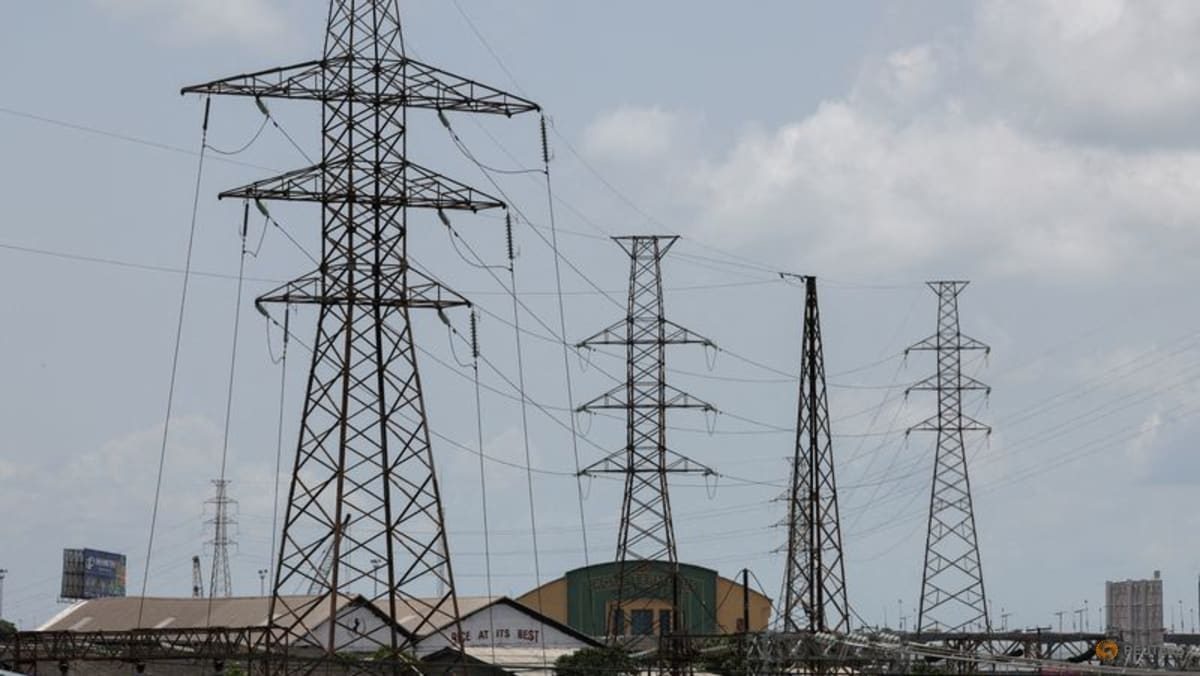
The region currently sits at the bottom of the IMF's AI Preparedness Index, trailing every other region globally except South Asia. The IMF attributes this gap to severe shortfalls in digital infrastructure, technical skills, and regulatory capacity. Roughly half the population lacks reliable power, while only 38% of Africans used the internet in 2024 compared to a 68% global average.
"It's hard to have anything without electricity," noted co-author Andrew Tiffin. The paper argued that targeted investments in grids and mini-grids around public facilities could create essential local digital hubs. Furthermore, the AI drive could actually help solve the power problem, as data centers represent new bankable projects capable of attracting capital to accelerate broader electrification.
Private capital is already moving to capture this emerging demand. Microsoft and G42 are building a $1 billion, 100-megawatt geothermal-powered data center campus in Kenya. Separately, Cassava Technologies and NVIDIA have formed a $700 million partnership to deploy 12,000 GPUs across South Africa, Nigeria, Kenya, Egypt, and Morocco.
Despite these high-profile deals, Africa hosts only about 160 data centres, representing just 5.5% of the global total. Because nearly half of these facilities are concentrated in South Africa, Nigeria, and Kenya, the IMF warned that the AI investment wave risks exacerbating existing regional inequalities rather than closing them.
"For Sub-Saharan Africa, the central concern is not the risk of technological disruption, but whether countries will be able to adopt, adapt, and scale AI quickly enough to capture its benefits and avoid falling further behind," the paper concluded.