Eisner warns of IP fatigue as media firms pivot to gaming equity deals
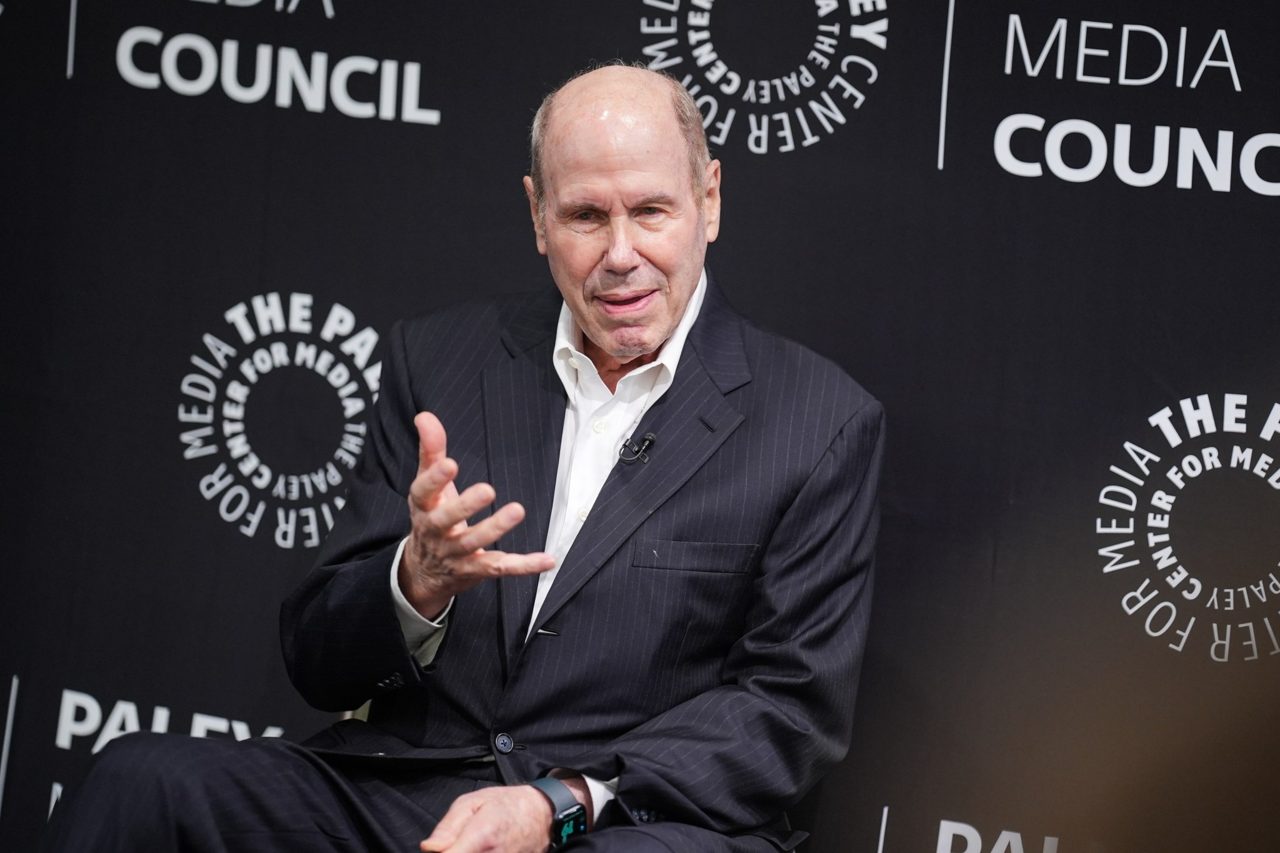
Former Disney CEO Michael Eisner warned that studios risk exhausting audiences with endless sequels, as rising development costs and fierce competition for attention drive a structural shift toward equity-based IP partnerships in gaming.
Former Walt Disney CEO Michael Eisner acknowledged that Hollywood historically failed to capitalize on the video game industry, but warned that studios now risk exhausting audiences through an overreliance on established franchises.
Eisner, who oversaw Disney’s acquisition of Pixar for $7.4 billion, Marvel for $4 billion, and Lucasfilm for $4 billion, noted that recognizable brands are the most effective way to attract audiences. However, pointing to Disney’s current handling of Star Wars, he suggested the company may have “overstepped its bounds” from too many sequels. The warning follows a string of recent Marvel and Star Wars releases that have fallen short of past billion-dollar benchmarks.
Speaking at a Paley Center for Media panel, Eisner attributed Hollywood’s early gaming failures to technological illiteracy, citing Warner Brothers’ loss on Atari in 1984. “We all failed,” Eisner said. “We ended up licensing. That’s how we succeeded.”
That traditional licensing model is now undergoing a structural shift. Casper Daugaard, CEO of Delphi Interactive, noted that his startup secured game licenses for James Bond and FIFA by offering brands a role as “co-founders of the venture” rather than agreeing to standard arms-length royalty deals.
This equity approach reflects a changing economic landscape in the gaming sector. Development costs continue to climb, and new intellectual property struggles to break through against marquee franchises. Most players spend the majority of their time on just a handful of established titles each year.
Moritz Baier-Lentz, an OpenAI senior advisor and former professional gamer, noted that games now compete directly against social media, streaming, and content creators. “Ultimately, there’s just 24 hours in the day and there’s two eyeballs in the head,” he said. “That’s never going to change.”
Daugaard argued that the rise of short-form content and AI makes it increasingly difficult for unknown properties to gain traction, pushing consumers toward familiar brands. “One thing people will gravitate toward is stuff they already know,” he said.
Eisner argued that leveraging existing IP remains the most practical entry point for media companies in gaming. However, he cautioned that established brands must ultimately be used to fund original projects. “The key is after you have five or six IPs, you make a great game that nobody’s ever heard of,” he said. “It’ll be a giant game. But it’s going to take a while.”