Naira weakens to 1576 per euro as CBN defends support level
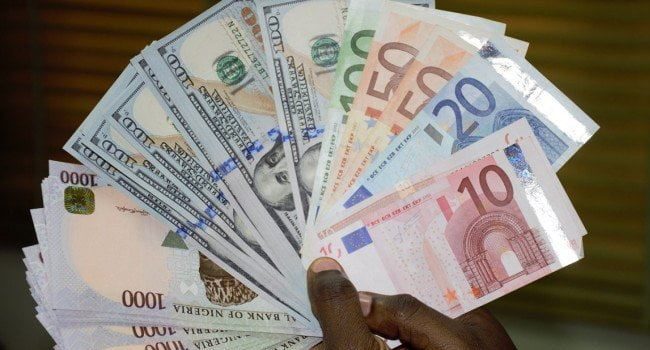
The Nigerian naira depreciated slightly against the euro to N1,576, a move that highlights the central bank's active defense of a critical technical support level despite strong foreign reserves and high local yields.
The naira settled at N1,576 per euro this week, down from N1,569 previously. The slight dip follows a retreat from a January 2026 peak of N1,774, bringing the currency close to a multi-month low near N1,555.
Market activity indicates the Central Bank of Nigeria and dollar-euro liquidity providers have absorbed selling pressure at the N1,550 support threshold. A breach of this level would technically clear the path toward a resistance line at N1,500. For naira bulls to extend a multi-month rally, they would need a closing price below that N1,500 mark.
Nigeria’s central bank is backing the currency with a combination of tight monetary policy and robust foreign reserves. With the monetary policy rate held between 26.50% and 27.50%, and treasury bill yields reaching 16%, the setup is tailored to attract foreign portfolio investors.
Reserves exceeding $51 billion by mid-2026 give the central bank ample liquidity to clear outstanding foreign exchange backlogs and repel speculative attacks. However, these structural strengths are being offset by a severe inflation differential. Nigerian headline inflation remains between 15% and 16%, vastly exceeding the Eurozone’s roughly 2% rate, a persistent gap that guarantees long-term downward pressure on the naira.
The euro itself remains technically weak and largely flat against the US dollar, hovering just above $1.14. Bearish momentum continues to dominate the pair, with the 20-day simple moving average at $1.1439 acting as immediate resistance. Downward-sloping moving averages relative to the 100-day and 200-day averages signal the euro has yet to reverse its broader downtrend.
Eurozone economic indicators offer a mixed backdrop, with producer prices rising to 5.9% year-on-year from 5.0%, surpassing expectations. Geopolitical risks are also keeping traders cautious, as unresolved Middle East tensions and debates over a US-Iran ceasefire agreement weigh on sentiment. Panic has been avoided only because oil prices remain stable near $71.50 a barrel and transit through the Strait of Hormuz continues uninterrupted.