Nigeria's First Mobile Money Platform Failed Before Market Was Ready
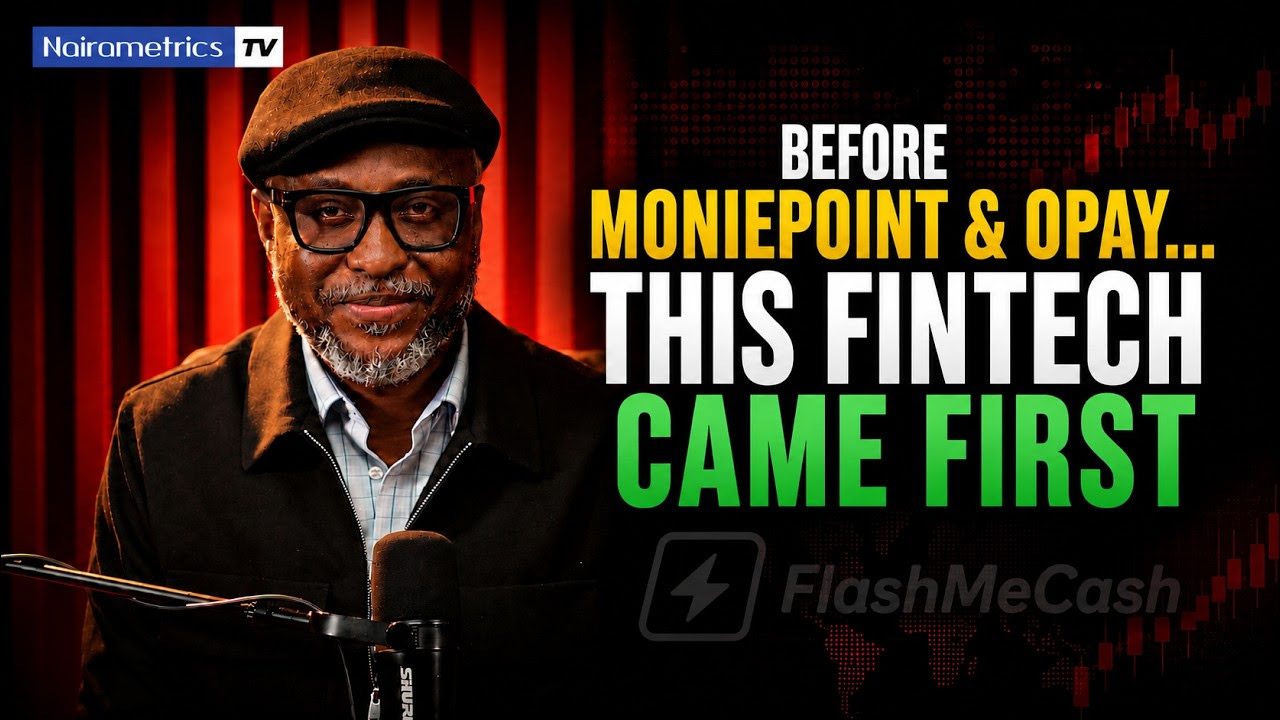
The 2002 launch of FlashMeCash by First Atlantic Bank shows investors that successful fintech innovation requires robust infrastructure and regulatory frameworks, not just a first-mover advantage.
First Atlantic Bank launched FlashMeCash in 2002, a product the bank described as "Africa’s first GSM-based money transfer service." Championed by then-CEO Femi Pedro, the platform arrived years before smartphones or Kenya's M-Pesa. Despite its early vision of a cashless economy, the service failed to achieve commercial adoption.
At the time, the digital payments landscape was virtually non-existent. "Imagine that kind of world. No smartphones, no mobile apps. Internet banking was not banking at all. ATMs were still relatively a novelty. Most Nigerians just carried cash around. And if you wanted to transfer money, you’d usually have to physically visit a bank branch and do that transfer," said Ugo Obichukwu on the Money Brief Podcast.
For current investors and executives, the platform's downfall offers a case study in the dependencies of emerging market technology. FlashMeCash faced a structural vacuum, as GSM networks had only launched in 2001 and mobile devices remained expensive. Furthermore, a lack of merchants capable of accepting digital payments rendered the platform impractical for everyday commerce.
Institutional headwinds also proved fatal. Without a developed regulatory framework for digital finance, the service lacked crucial institutional backing. The final blow came during Nigeria’s 2004-2005 banking consolidation, when Central Bank Governor Charles Soludo raised minimum capital requirements from N2 billion to N25 billion.
First Atlantic Bank was absorbed into what is now FCMB Group, and FlashMeCash was lost in the restructuring. The contrast with today’s Nigerian fintech sector is stark. Companies like Opay, Moniepoint, Kuda, and Paga now process trillions of naira monthly, supported by established mobile networks, USSD banking, and digital wallets.
Yet the core challenges FlashMeCash encountered remain relevant for modern market entrants. The GSMA’s 2026 report notes that global mobile money accounts hit 2.3 billion in 2025, but continues to highlight infrastructure, trust, and regulatory hurdles in emerging markets. "Being first is not always enough," Obichukwu noted. "Sometimes you can have the right idea and the right vision and still fail because the world just isn’t ready for your product."