Nigeria hits 242 million, reshaping African consumer markets
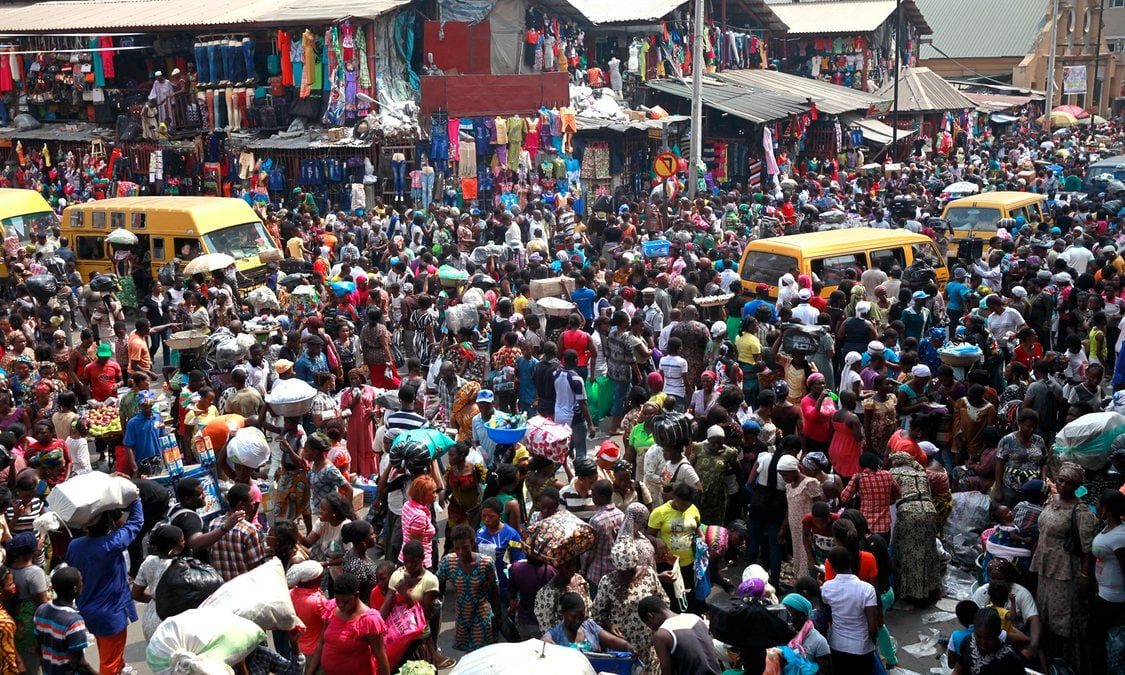
Nigeria's population has surpassed 242 million to cement its position as Africa's largest consumer market, highlighting a continent-wide demographic surge that is redrawing the landscape for emerging market investors.
Nigeria's population reached an estimated 242.43 million in 2026, adding 4.9 million people in a single year to record the continent's largest absolute increase. Africa's third-largest economy now accounts for nearly 3% of the global population, maintaining its status as the world's sixth most populous nation. These figures from Worldometer are projections rather than official counts, as Nigeria has not conducted a census since 2006.
For investors, the critical detail is not just the headline number but the shifting structure of this population. More than 56% of Nigerians now live in urban centers like Lagos and Abuja, driving density to 266 people per square kilometre. This rapid urbanisation underpins sustained demand in sectors ranging from real estate and retail to telecommunications and financial services. With a median age of 18 and a World Bank-estimated growth rate of 2.1%, the country's expanding workforce is expected to drive consumer demand for decades.
The broader African demographic trajectory presents a mixed picture for capital allocation. Ethiopia follows at 138.9 million people, yet its low urbanisation rate of 23% limits its near-term consumer market depth. In contrast, South Africa, with a much smaller population of 65.5 million, boasts 67% urbanisation and lower fertility, offering a more mature but slower-growing consumer base. Further down the ranking, Sudan posted a 3.14% growth rate partly fueled by net migration, while Uganda's extreme density of 264 people per square kilometre contrasts sharply with its small land area.
Fastest expansion
The Democratic Republic of Congo (DRC) is recording the most explosive demographic shift among Africa's largest economies, growing 3.21% annually to reach 116.5 million people. Driven by a fertility rate of 5.8 children per woman and a median age of just 16, the DRC represents a long-term labour pool rather than an immediate consumer market. Tanzania shows a similar pattern, adding over 2 million people in a year to hit 72.6 million, with a median age of 18.
North African markets offer different structural dynamics. Egypt remains the region's demographic heavyweight at 120.1 million people, while Algeria rounds out the continent's top ten at 48 million with the highest urbanisation rate on the list at 75%. Kenya, at 58.6 million, leverages a median age of 20 to support its expanding technology and manufacturing sectors.
Africa's total population is projected to exceed 2.5 billion by 2050, driven by high fertility rates and improving healthcare. For now, the 2026 estimates reinforce Nigeria's dominance as the primary entry point for capital targeting African consumer spending. However, the variance in urbanisation and age across the top ten dictates sharply different investment strategies across the continent.