Nigerian naira weakens to 1,381.70 despite rising reserves
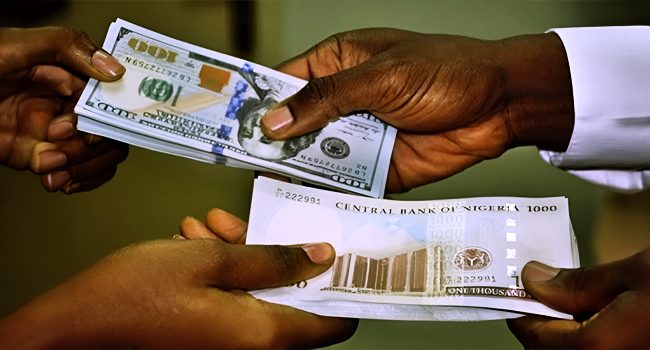
The Nigerian naira fell to a record weekly low of 1,381.70 per dollar despite rising foreign reserves, a divergence analysts warn exposes the currency to continued volatility.
The Nigerian naira closed at its weakest official level of the year, depreciating to N1,381.70 against the US dollar on July 10. The local currency lost ground on four of the five trading days that week, representing a 0.85% decline from the previous Friday's close of N1,370.00. It slipped to N1,371 on Monday before accelerating to N1,379 by Tuesday, eventually trading within an intraday range of N1,376 to N1,387 by mid-week.
Trading volumes indicated fluctuating market liquidity throughout the period. Official foreign exchange turnover started the week at $220.18 million, peaked at $504.67 million on Wednesday, and then dropped sharply. No official turnover was reported for Friday. Interbank activity followed a similar trajectory, hitting a weekly high of $208.09 million on Wednesday before easing to $71.04 million by the end of the week.
This sustained selling pressure on the naira presents a notable contrast to the steady accumulation of foreign reserves. Central Bank of Nigeria data put the country's reserves at $51.74 billion on July 9, an increase of $217.7 million from the prior week. This continues an upward trend in July, building on a mid-June milestone where reserves crossed $51 billion to reach their highest level in approximately 17 years.
However, market professionals caution that rising reserve buffers do not automatically translate to currency stability. EBC Financial Group warned in a Thursday market outlook that the current reserve growth remains highly vulnerable because it is driven by volatile portfolio inflows rather than structural changes. The global brokerage noted that much of the recent rebound relies on cyclical factors that could reverse abruptly if market conditions deteriorate.
For investors and corporate treasurers operating in Africa's largest economy, this divergence underscores persistent foreign exchange risk. While EBC Financial Group acknowledged that the reserve gains partly reflect stronger investor confidence following central bank foreign exchange reforms, it stressed that sustainability is not guaranteed. The firm warned that Nigeria must successfully attract more long-term capital, maintain steady oil earnings, and preserve overall confidence in the naira to prevent further depreciation.