Hormuz tolls emerge as Gulf exporters accelerate pipeline bypasses
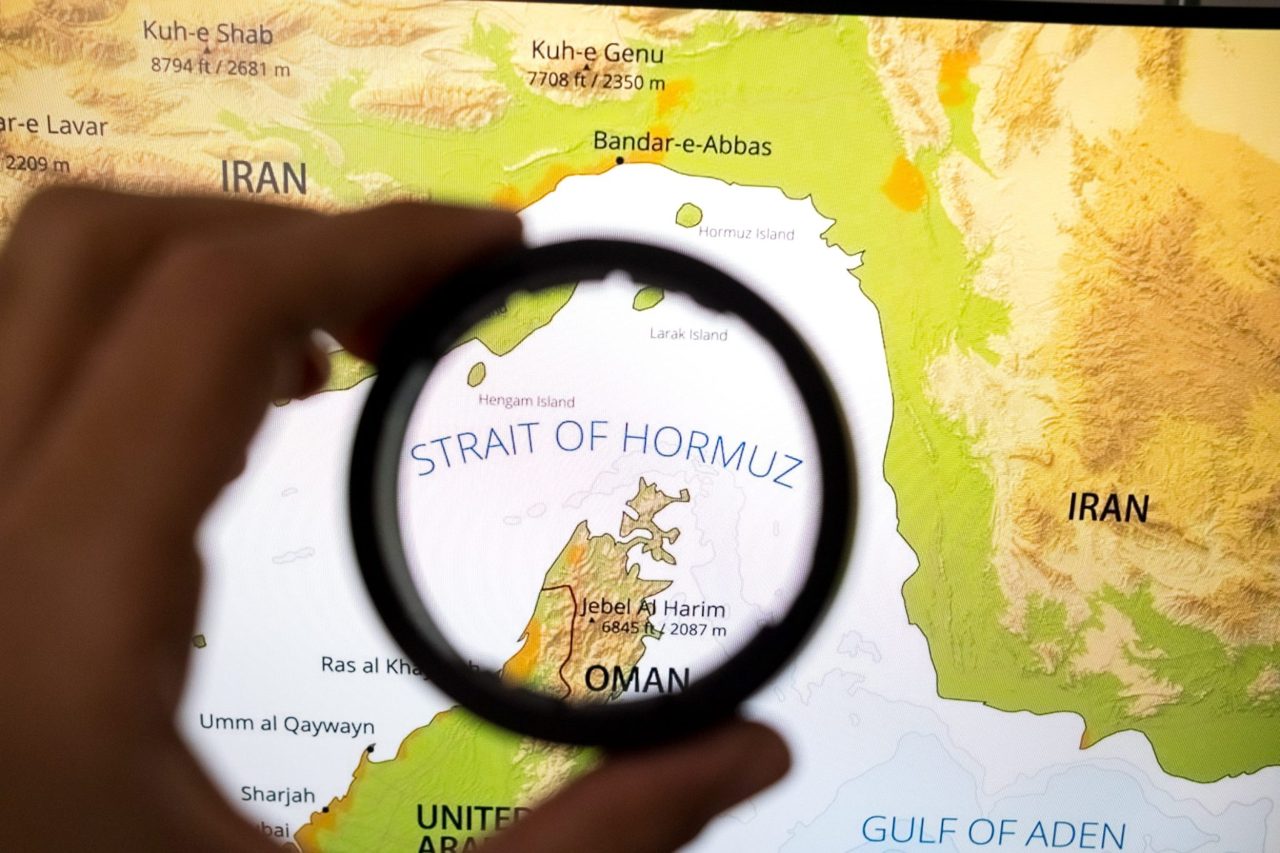
Near-total shipping disruption in the Strait of Hormuz is driving proposals for new toll systems, even as regional exporters accelerate pipeline and port projects to bypass the waterway entirely.
The Strait of Hormuz is effectively closed to commercial shipping. Maritime intelligence firm Kpler reports that only a handful of vessels are now transiting the narrow waterway, which previously handled roughly 20% of global oil and liquefied natural gas shipments. The collapse in traffic follows U.S. airstrikes that began on 11 July and subsequent Iranian missile and drone attacks on regional targets and commercial ships.
The Joint Maritime Information Center has recorded 10 Iranian attacks on shipping since 25 June and maintains a severe threat level. Islamic Revolutionary Guard Corps forces recently immobilised two oil tankers, warning the strait will remain unsafe for petrochemicals and energy exports as long as U.S. strikes continue. Beyond rising insurance premiums, shipping companies face a deeper operational crisis: crews are refusing the transit.
Dimitris Maniatis, CEO of maritime risk management company Marisks, noted that crews are unwilling to sail through the strait regardless of assurances or financial incentives. “It’s not about money anymore, it’s not about any other higher calling, it’s purely about the fear that is governing the decision-making right now,” Maniatis said. This labour resistance complicates any rapid normalisation of trade routes.
With military and diplomatic efforts failing to restore flows, economists are pointing to toll systems as a potential solution. Oxford Economics estimates that Iran’s proposed $2 million per-ship fee would amount to a $1 per barrel levy, adding roughly 1.2% to a Brent price of $86. At pre-war volumes, this could generate $6.8 billion annually for Iran and Oman combined, easily surpassing the $4.7 billion Egypt generated from the Suez Canal in 2025/26.
Muscat and Tehran are likely to frame any charges as service fees to align with international law, mirroring models used in the Strait of Malacca or the Turkish Straits. The Bourse & Bazaar Foundation separately proposed targeting the roughly 600 Very Large Crude Carriers that traverse the Gulf annually, arguing a modest surcharge on $600 billion in annual oil shipments would minimally impact carriers while funding safe navigation.
However, imposing tolls risks accelerating an infrastructure shift already underway to bypass the strait permanently. Saudi Arabia has already routed a large share of its crude exports through its Red Sea terminal at Yanbu. DP World is reportedly planning a new port at Fujairah on the UAE’s east coast to skirt the chokepoint entirely.
Goldman Sachs analysts estimate regional pipeline capacity will insulate over 45% of pre-war Gulf exports by the end of next year. That figure could surpass 60% by 2028, with an accelerated scenario reaching 75%, as construction times average just 2.5 years. For energy investors, the immediate question is whether a toll system can materialise fast enough to matter before the physical infrastructure of Middle East exports fundamentally changes.