Gulf oil routes choke as Hormuz transits collapse
A collapsed U.S.-Iran peace deal has virtually halted Strait of Hormuz shipping and triggered a Houthi blockade on Saudi Arabia, threatening to remove 7% of global oil supply while freezing Middle East capital markets.
Shipping traffic through the Strait of Hormuz has ground to a virtual halt after the collapse of a U.S.-Iran interim peace agreement. Transits plummeted to just eight vessels on July 16, down 66.2% for the week compared to the previous period, according to Lloyd’s List Intelligence. Before the conflict began on February 28, an average of 138 ships passed through the strait daily.
Recent Iranian attacks and a reinstated U.S. blockade have forced most commercial vessels to stop or reverse course. The traditional shipping lane remains too hazardous due to the ongoing threat of mines, according to BIMCO chief security officer Jakob Larsen. “We’ve gone back to the worst-case scenario. Nobody is willing to move,” said Dimitris Maniatis, CEO of maritime risk firm Marisks.
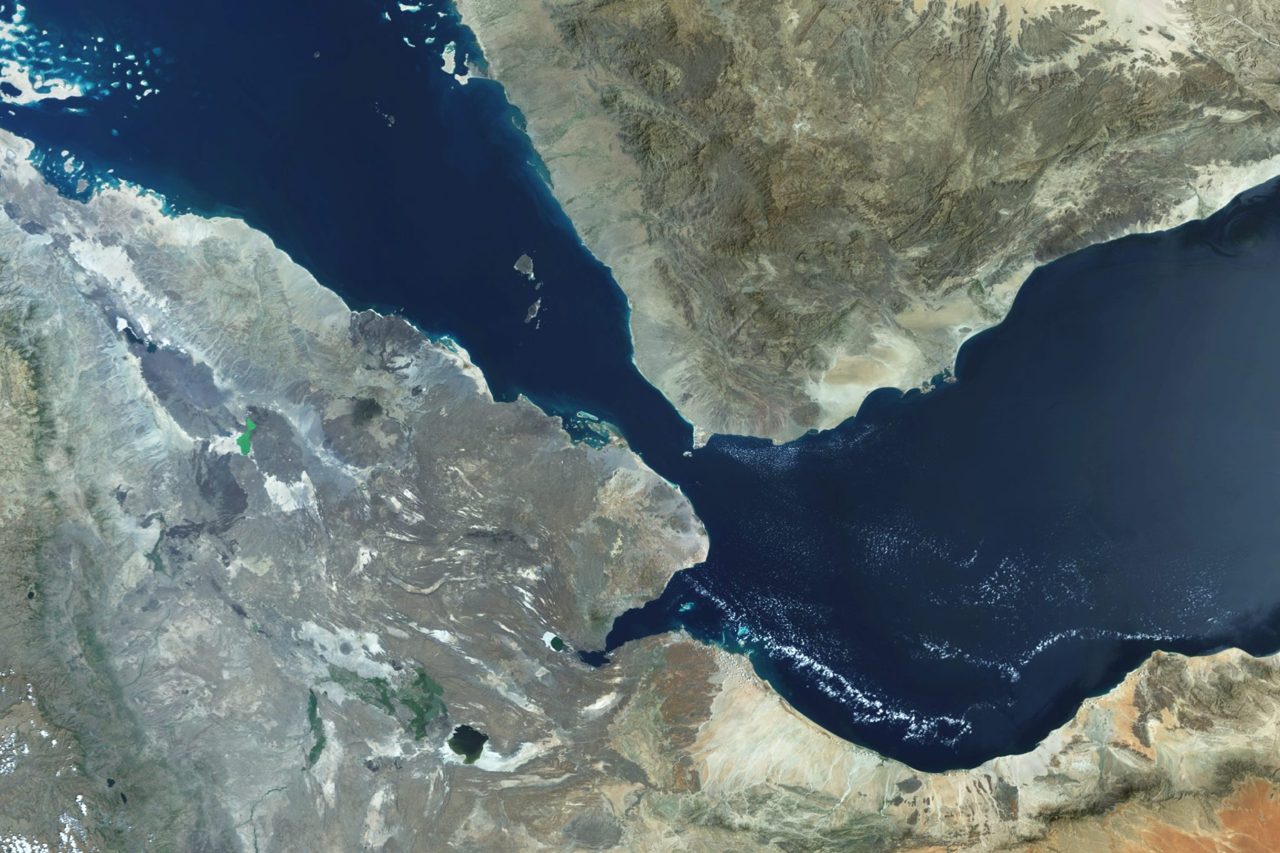
The supply crisis escalated on July 20 when Iran-backed Houthi forces announced a maritime blockade on Saudi Arabia. A full closure of the Bab el-Mandeb Strait would halt Saudi oil exports to Asia and slash global supply by 7%. Saudi Arabia has already rerouted its exports to its Red Sea port of Yanbu, which shipped a record 4.19 million barrels a day last month.
Capital markets stall under geopolitical strain
The regional instability has chilled Middle East dealmaking, with investment banking fees falling 19% year-on-year to $757.1 million in the first half of 2026. Equity underwriting took the heaviest hit, collapsing 57% to $69.5 million as just four IPOs reached the market in the first quarter, down from 12 a year earlier.
Uber expands as Lucid fights for survival
Amid the turbulence, major corporate restructuring continues. Uber is acquiring Middle East delivery giant Talabat through a $14.8 billion all-cash takeover of parent Delivery Hero. The deal underscores the Gulf's outsized importance to the food delivery sector, with the MENA region generating roughly 60% of Delivery Hero’s group profitability despite accounting for only 30% of gross merchandise value.
Saudi-backed electric vehicle maker Lucid Motors has simultaneously enlisted restructuring advisor AlixPartners as it battles widening losses. CEO Silvio Napoli dismissed bankruptcy rumors, stating the company has enough liquidity to operate well into next year. Lucid, majority-owned by the Saudi Public Investment Fund, has drawn $1.3 billion from a $2.5 billion PIF credit line this year after posting a $1.13 billion first-quarter net loss.
The sovereign wealth fund has invested over $9 billion in Lucid since 2018 but is tightening spending due to softer oil revenues. Analyst Chris Pierce of Needham & Company noted that bankruptcy remains “plausible” if Saudi support wavers, “But that support has been consistent.”