Pakistan Pays Record $21.88/MMBtu for Spot LNG as Qatar Supply Falters

Pakistan has been forced to buy spot liquefied natural gas at a record $21.88 per million British thermal units, highlighting how renewed Strait of Hormuz disruptions are severely inflating energy costs for emerging market importers.
State-controlled Pakistan LNG Limited has agreed to pay $21.88 per million British thermal units (MMBtu) for a spot cargo from TotalEnergies Gas & Power Limited, marking the country's most expensive purchase since the Iran war began in February.
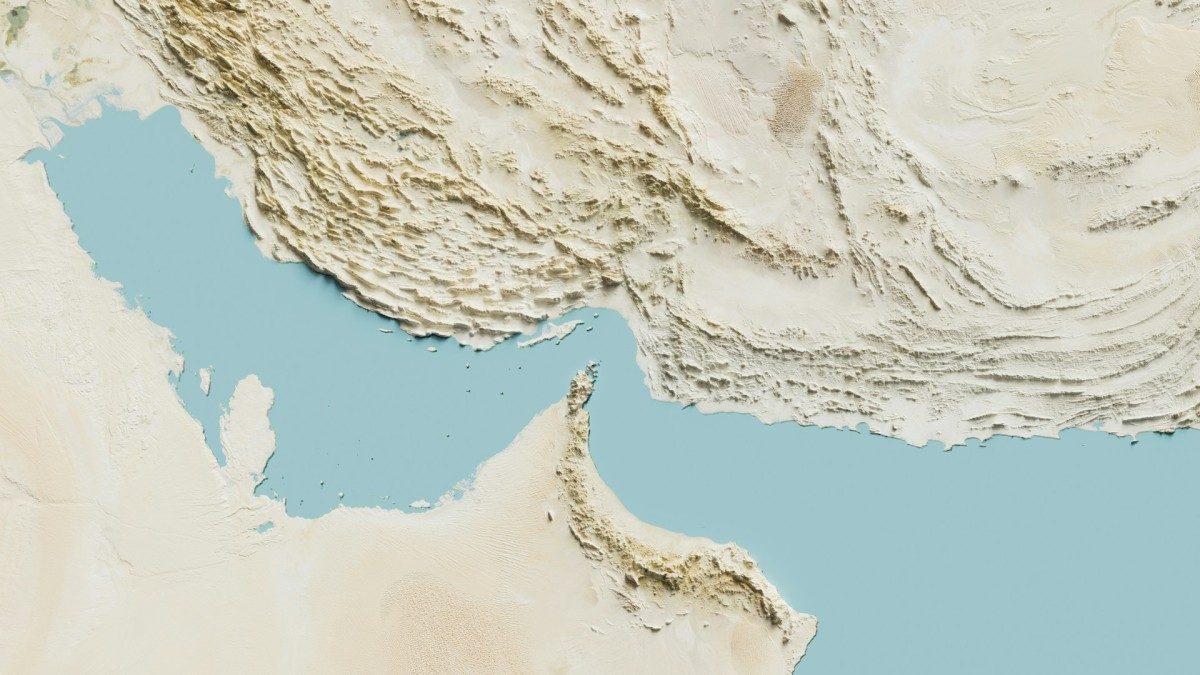
The elevated price, which covers delivery on July 27-28, reflects severe logistical bottlenecks currently disrupting global energy trade. A renewed closure of the Strait of Hormuz has effectively stranded shipments from Qatar. Historically, Pakistan has relied almost exclusively on Qatar for its LNG under long-term, fixed-price contracts. With those term supplies halted, the South Asian nation has been forced to seek fuel on the open market.
This sudden pivot to spot procurement has come at a steep cost. Pakistan has now issued at least five tenders for spot LNG in July alone. The latest $21.88/MMBtu deal surpasses a record set just last week, when the state buyer secured a cargo for delivery this week at roughly $20.70/MMBtu. That previous price was already the highest paid for a spot cargo in four years.
The last time spot markets demanded such premiums from Pakistan was in 2022. During that crisis, Asian spot prices spiked to historic highs after Russia slashed its pipeline gas supply to Europe, triggering a global scramble for alternative fuel. Today's pricing dynamic is driven not by a broad supply shortage, but by a physical chokepoint.
The financial strain on Islamabad is unlikely to ease imminently. Unnamed sources told Bloomberg on Friday that the government is close to finalizing plans to purchase at least one additional cargo this month and as many as six for August delivery. If those August cargoes are secured at current elevated rates, the cumulative cost will heavily burden the country's import bill.
For commodity investors and executives, Pakistan's buying spree underscores a critical reality: geopolitical risks in the Middle East are now dictating physical LNG pricing with precision. While regional tensions often fluctuate in futures markets, the Strait of Hormuz disruption proves how quickly localized shipping constraints can extract massive premiums. The current environment clearly rewards trading houses capable of sourcing and redirecting flexible cargoes, leaving fixed-contract buyers exposed to severe cost shocks.