Record rial low drives Iran inflation to 89% amid GDP contraction
Iran's year-on-year inflation has surged to nearly 89% as a record depreciation of the rial and geopolitical shocks push the economy toward a deep contraction, severely eroding consumer purchasing power.
Iran's inflation rate has accelerated to 88.6% year-on-year for the period ending 21 June 2026, up sharply from 52.6% just six months prior. The surge, reported by the Statistical Centre of Iran, was accompanied by a 5.9% monthly jump in consumer prices. The Central Bank of Iran recorded a slightly lower figure of 83.1% for the same period, a 5.5 percentage point gap attributed to differing methodologies in consumption basket weighting and data sampling.
The primary catalyst for this price spiral is the severe depreciation of the rial, which recently slumped to a record low of 1.9 million per US dollar. The currency has whipsawed violently since the start of the year, when it traded at 1.35 million. US and Israeli air strikes in late February pushed the rate to 1.72 million, and subsequent threats of further strikes by Donald Trump in April triggered renewed selling. Even a ceasefire and a temporary memorandum of understanding between Tehran and Washington failed to sustain a recovery, with the rate quickly drifting back toward 1.7 million.
For market participants, the rapid pass-through from exchange rates to consumer prices highlights a self-reinforcing cycle of currency depreciation and inflation expectations. The International Monetary Fund projects annual inflation will average 68.9% in 2026, paired with a severe 6.1% contraction in real GDP. Economists note that while military conflict accelerated the crisis, the root causes are structural: persistent fiscal deficits, weak economic management, international sanctions, and subdued growth prospects.
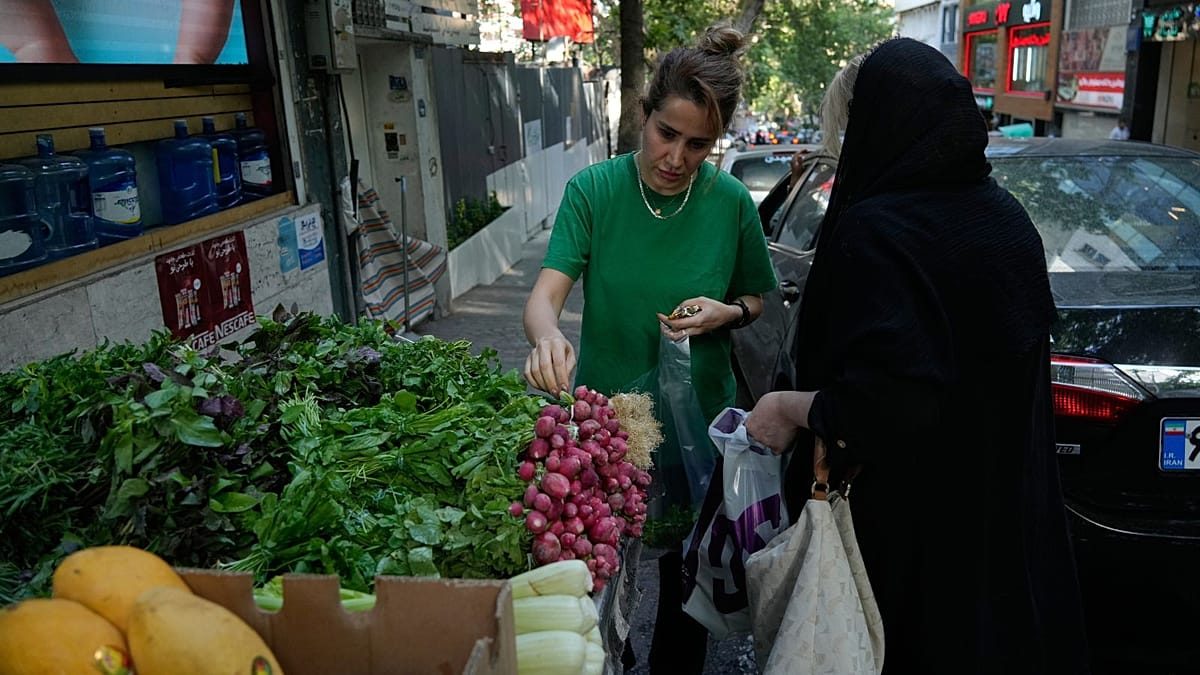
The inflationary burden is falling unevenly, severely straining consumer demand. Food prices have more than doubled, with meat surging 178% and dairy products rising 152%. Transport costs have also exceeded 103%. Consequently, the official minimum monthly wage of 166.255 million rials (approximately €85) now covers just 37% of the estimated 450 million rial (approximately €225) cost of a basic household basket. Rural areas, where year-on-year inflation hit 108.1% compared to 85.2% in urban centers, are bearing the heaviest economic toll.