Lula 2026 Bid Signals Economic Nationalism, Trade Spat
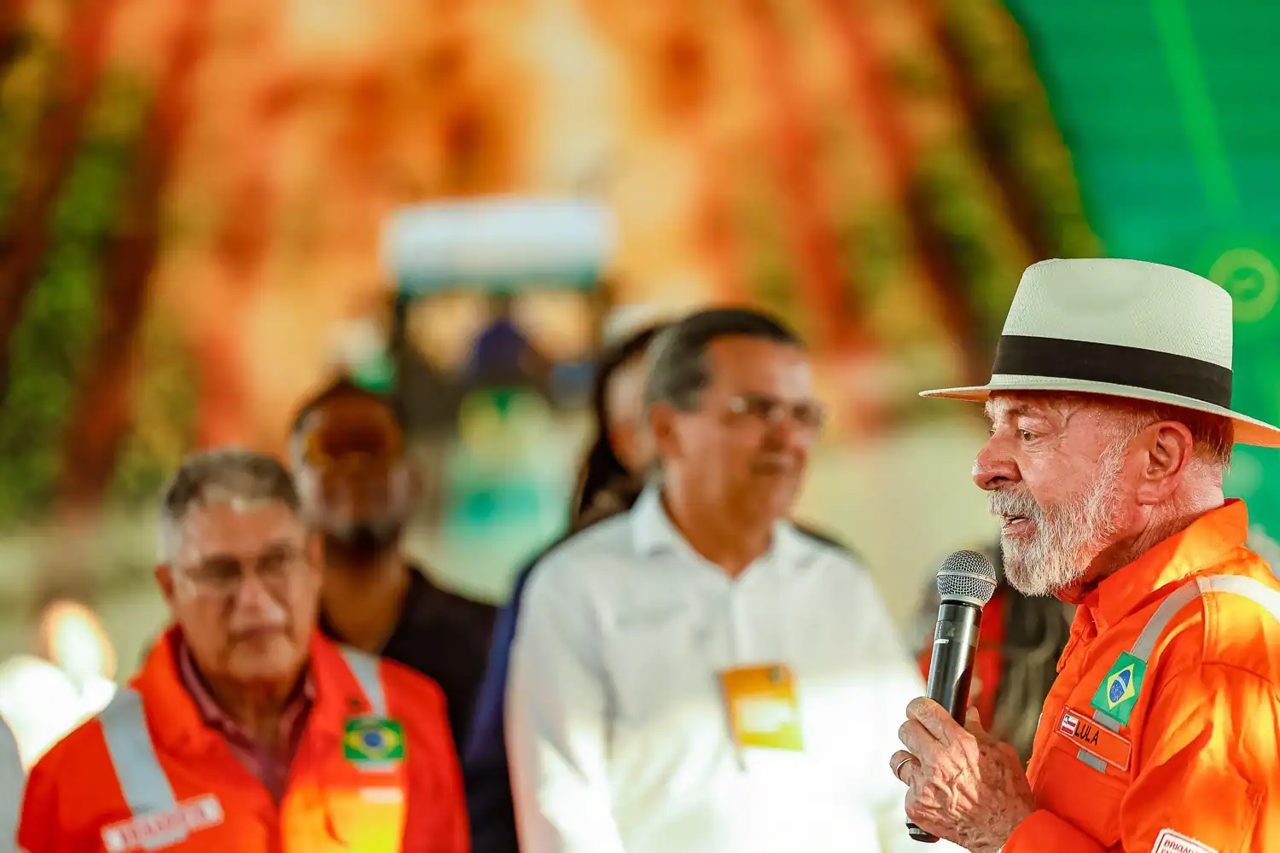
President Luiz Inácio Lula da Silva’s kickoff of his 2026 reelection campaign points to renewed state intervention in the economy and escalating trade friction with Washington, clouding the outlook for foreign investors.
President Luiz Inácio Lula da Silva secured the Democratic Labour Party’s unanimous endorsement on July 20, 2026, marking the first formal party backing for his bid to win a fourth term. The early organizational momentum sets the stage for a campaign heavily focused on economic nationalism.
For markets, the convention in Brasília served as a warning sign for foreign capital. Lula explicitly condemned the privatization of state-owned assets carried out under his predecessor, Jair Bolsonaro. He specifically targeted the sale of Eletrobras, Latin America’s largest power utility, signaling a desire to reverse or halt the transfer of strategic infrastructure to private hands.
This rhetoric points to a contraction in private investment opportunities within Brazil’s energy and infrastructure sectors. Rather than pursuing market-friendly reforms, Lula promised renewed state intervention, including heavy public investment in education and the nationalization of full-time schools. He also pledged to expand social programs to bring vulnerable populations into the formal economy, framing these policies as a bulwark against what he called the "ultra-right."
Trade relations with the United States represent another major risk factor for investors. Lula used the platform to criticize existing US tariffs on Brazilian industrial and agricultural exports, arguing they unfairly target the country’s core economic engines. He escalated the rhetoric by directly challenging US Secretary of State Marco Rubio. "If (Rubio) wants to come support my adversary, he should come, he should set up a committee," Lula said, referencing Senator Flávio Bolsonaro, the likely right-wing candidate.
The combative stance toward Washington was echoed by PDT president Carlos Lupi, who framed Lula as the "antithesis" of US President Donald Trump. Lupi declared that Brazil is "not a backyard" or a "backroom" of the United States. For multinational executives, this nationalist posturing raises the prospect of retaliatory trade measures and complicates the outlook for bilateral agreements.
Lula anchored his platform in the concept of restoring "pre-golpe" democracy, a reference to the 2016 impeachment of former President Dilma Rousseff. He warned that democratic norms are now viewed with "hatred" in some quarters. However, the immediate economic implications stem from his sovereignty message. "No one tells us what we will do; here we decide what to do," Lula stated.
As Lula moves to consolidate support from other center-left and left-wing parties, his defiance toward foreign interference is likely to remain a central campaign theme. Market participants will now be assessing whether this anti-privatization, protectionist rhetoric translates into actual legislative action that could further dampen foreign direct investment in Latin America’s largest economy.