Dimon warns markets underprice geopolitical risks, shuns stocks
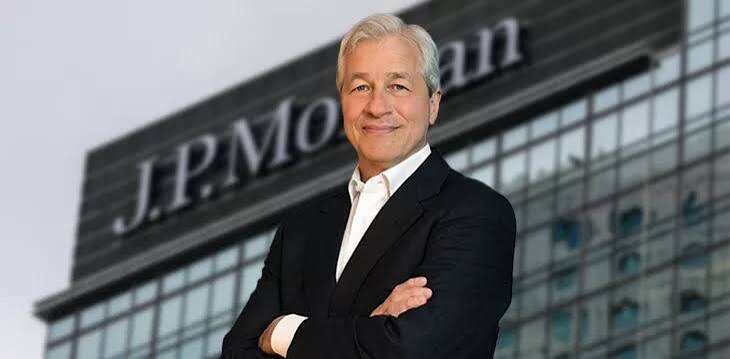
JPMorgan chief Jamie Dimon has warned that markets are underestimating the probability of a major economic shock, stating he is avoiding broad equity and Treasury investments at current valuations.
JPMorgan CEO Jamie Dimon said he is not buying the broader stock market or US Treasuries at current levels, warning that investors are too complacent about escalating global risks. Speaking in an interview with Wilfred Frost, the head of the largest US bank argued that the potential for a severe economic shock is greater than widely assumed.
Dimon pointed to a confluence of mounting threats, specifically highlighting the ongoing wars in Ukraine and the Middle East alongside rising tensions between the US and China. These geopolitical fractures are driving up military expenditures globally. This increased spending arrives at a highly problematic time, as government deficits are already widening across major economies, creating a compounding fiscal strain.
While acknowledging that asset prices might partially reflect these dangers, he cautioned against assuming the market is fully prepared for an actual escalation. “It is possible something is baked in, but what is not baked in is what actually happens,” Dimon said. He noted that the global economy has grown more resilient compared to past decades due to reduced reliance on energy imports, but emphasized this structural strength does not preclude a sudden market inflection point following the volatility seen earlier this year.
Beyond traditional macroeconomic threats, Dimon expressed skepticism regarding the massive capital being deployed into artificial intelligence by hyperscalers, comparing it to the early internet era. “The amount of money being spent is huge. Will it in total pay off? Probably, just like the internet did,” he said. “Will it pay off the way you expect and the timetable you expect? Definitely not.”
These warnings carry significant weight, particularly as JPMorgan reported its highest profit in history for a US bank just last week. For institutional investors, Dimon’s refusal to buy broad market indices or sovereign debt underscores a deep top-down risk aversion. It signals that until global fiscal and geopolitical trajectories become clearer, major capital is likely to favor highly selective, idiosyncratic bets over passive market exposure.