Brazil ruling party accuses Bolsonaro family of lobbying for US tariffs
Brazil’s governing party has accused the Bolsonaro family of lobbying Washington to impose a 25% tariff on Brazilian goods, injecting political uncertainty into trade relations and threatening the country's dominant Pix payment system.
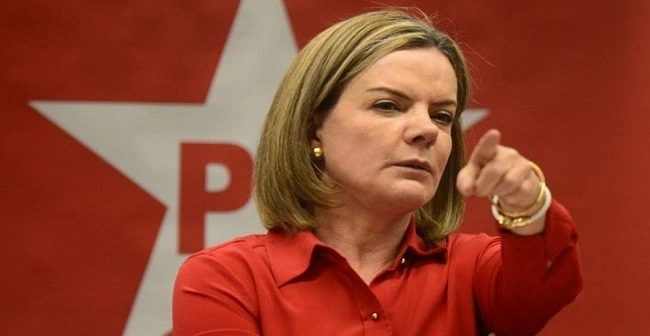
Gleisi Hoffmann, a senior figure in Brazil’s governing Workers’ Party, accused the family of former President Jair Bolsonaro of lobbying Washington to impose a 25% tariff on Brazilian goods. Hoffmann labeled the family “traitors to the nation” and demanded an investigation into their ties with US authorities.
This political dispute follows a formal recommendation issued in early June 2026 by the US Trade Representative to apply a 25% levy across numerous Brazilian export sectors. American officials contend that Brazil’s central bank-run Pix instant payment platform is an “unreasonable” policy that harms domestic electronic payment companies.
Hoffmann presented no documentary evidence to support her claims, basing her argument instead on the timing of a late May 2026 Washington trip by Bolsonaro’s sons, Flávio and Eduardo. The brothers met with President Donald Trump shortly before the American trade recommendation was finalized.
For investors, the dispute underscores the strategic vulnerability of Pix, a platform used by over 150 million Brazilians that has significantly eroded the market share of traditional card networks and US-based payment processors. If enacted, the 25% levy could disrupt supply chains and raise consumer costs for Brazilian agricultural and manufactured exports.
This political friction threatens to elevate market volatility, given that the Brazilian real remains highly sensitive to both trade disputes and domestic political scandals. President Lula’s office echoed these accusations, asserting the tariffs resulted from “pressure exerted on the White House” and a narrative built with the active collaboration of the former president's family.
Senator Flávio Bolsonaro denied the allegations on social media, stating he “urged Trump not to impose tariffs on Brazilian goods” during their meeting. The broader Bolsonaro camp has not issued a unified rebuttal, leaving the narrative active within a highly polarized political environment.
Markets and trade desks are now focused on the July 15 deadline for Brazil to formally respond to the American recommendation before potential implementation. Diplomatic channels between Brasília and Washington are expected to stay active, while domestic pressure mounts for a congressional inquiry into the Bolsonaro family’s ties to the US capital ahead of the 2026 presidential election.
Opposition figures criticized the absence of hard evidence, characterizing the accusation as a political maneuver designed to energize the left-wing base ahead of the 2026 election. Nevertheless, the demand for an investigation ensures the issue will remain a central feature of campaign messaging within Brazil's fragmented legislature.