Takaichi's $2.28trn plan fails to calm Japan bond jitters
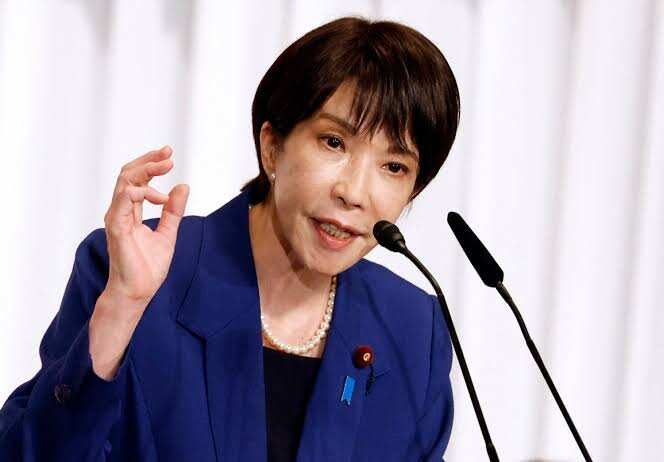
Prime Minister Sanae Takaichi's new economic blueprint, which promises massive strategic investment, has failed to reassure bond markets still wary of political interference at the Bank of Japan.
Prime Minister Sanae Takaichi unveiled her first economic roadmap on Tuesday, outlining a push to direct combined public and private investment of more than 370 trillion yen ($2.28 trillion) into strategic industries through fiscal 2040. The blueprint aims to end a prolonged trend of under-investment that has constrained the Japanese economy.
To appease investors, the administration was forced to repeatedly revise the document's language on monetary policy after earlier drafts triggered a sharp rise in government bond yields. Despite these last-minute edits, the benchmark 10-year Japanese government bond (JGB) yield remains elevated at 2.73%, having hit a three-decade high of 2.9% on July 9.
The core issue for fixed-income investors is the clash between Japan's massive national debt and Takaichi's preference for big fiscal spending alongside low interest rates. Known as a proponent of "Abenomics," the prime minister has signalled reservations about the Bank of Japan's recent rate hikes. This focus on spending raised immediate concerns about Japan's financial stability and the risk of being too slow to tackle inflation.
Market pressure forced the administration to strip out several contentious phrases. A reference to monetary policy "that bolsters private demand" was removed, as was language directly tying central bank decisions to government growth efforts.
The final text states the BOJ sets policy "to achieve stable price rises" and includes a footnote referencing legal provisions protecting the bank's independence. However, the blueprint still urges the central bank to align with government policy, creating a mixed message for fixed-income traders.
The document also marks a shift in fiscal tone. Rather than pledging to restore fiscal health, the blueprint vows only to balance growth with "fiscal sustainability."
Takaichi defended her approach during a panel debate on Tuesday. "We've guided economic and fiscal policy paying due heed to fiscal sustainability and the need to maintain market trust," she said. "We will continue to do so based on this blueprint."
Analysts remain sceptical that revised wording will alter market perceptions. "The administration wants the BOJ to keep rates low so that it can issue more debt," said former BOJ board member Seiji Adachi. "That's not a good message to send to markets."
The central bank exited its aggressive stimulus programme in 2024 and has hiked rates several times, including in June. With the policy rate currently at 1%, the BOJ has signalled its readiness to continue tightening, a trajectory that puts it on a potential collision course with a prime minister seeking cheap funding for her investment drive.