EU pushes new corporate and crypto taxes for €2 trillion budget
European Commission officials are pressuring member states to approve a €2 trillion budget financed by new EU-wide taxes, a shift with major implications for corporate tax burdens and defence spending.
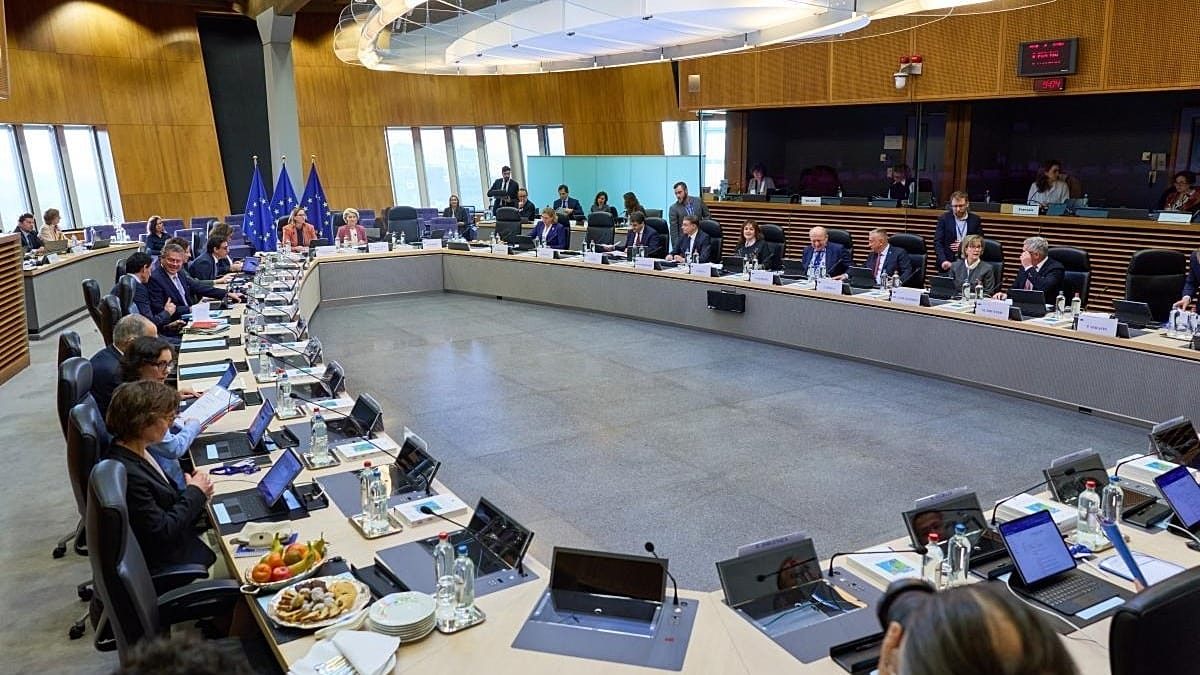
The European Commission is ramping up pressure on national governments to approve a €2 trillion long-term budget, hinging the plan on the creation of new EU-wide taxes. Senior officials used the Annual EU Budget Conference in Brussels this week to warn that without these so-called "own resources," the bloc cannot fund its strategic shift toward defence and economic competitiveness.
For investors and corporate executives, the proposals represent a potential overhaul of how European businesses are taxed. The Commission's initial plan included levies on the Emissions Trading System, the Carbon Border Adjustment Mechanism, e-waste, tobacco and corporate profits. The European Parliament has since added a gambling tax, a digital levy and a capital gains tax on cryptocurrency assets, which the Commission estimates could yield up to €11 billion annually.
National governments have pushed back against every proposed revenue stream. Support or opposition generally breaks down along economic self-interest, with countries comparing the potential impact of an EU tax against their current national contributions. Sweden is leading resistance from "frugal" states, arguing that EU-wide taxes would force the bloc's wealthiest nations to shoulder a disproportionate financial burden.
The debate has split EU capitals. Frugal nations want to reduce the overall size of the budget, while the "friends of cohesion" are fighting to maintain agricultural and regional funding. Budget Commissioner Piotr Serafin pushed back against the cost-cutting faction, warning that "a too-small EU budget would not necessarily be cheaper for taxpayers" because those costs would simply shift to inefficient national budgets.
Defence spending is the primary driver of the budget expansion. "Are we serious about a potential war?" European Commissioner for Defence Andrius Kubilius asked at the conference, demanding that member states match Europe's security needs with adequate funding. This redirection of capital would directly benefit European defence contractors and supply chains.
Time is running out to bridge the divide. France, Italy and Poland all hold elections in 2027, creating a strong incentive to conclude negotiations by the end of this year. The next major opportunity for a breakthrough comes at the European Council in October.
Diplomats expect an eventual compromise will require a broad package that balances varying national interests. European Investment Bank President Nadia Calviño warned that leaders will "have to bite the bullet and really approve a new basket of own resources" if they want an ambitious budget. EU lawmaker Danuše Nerudová echoed this, noting that funding new priorities while maintaining traditional commitments is "precisely the role of our own resources."