EU's October China trade deadline unrealistic, warns trade chair
The European Parliament's trade chief has dismissed the EU's October deadline for a trade breakthrough with China, signalling prolonged market uncertainty for European manufacturers facing a €1 billion-a-day deficit.
EU Trade Commissioner Maroš Šefčovič set an October deadline for “tangible results” in trade talks that began last Monday. Bernd Lange, chair of the European Parliament's trade committee, said this timeline is “not realistic at all” for securing a binding agreement.
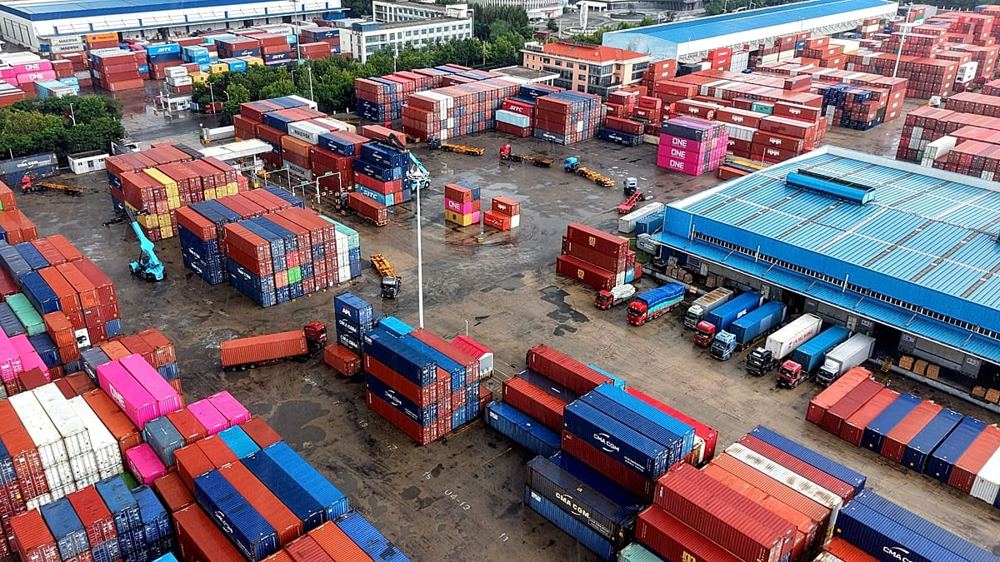
The intervention signals prolonged uncertainty for European industrial markets. The bloc is attempting to negotiate a rebalancing of a €1 billion-a-day trade deficit that threatens hundreds of thousands of jobs across member states.
Lange outlined a more plausible timeline for investors to watch. “Discussions are good, agreements are better,” he said. “The deadline should be met with some kind of framework where we agree on the main points. Then a dedicated agreement has to be negotiated with a legal text, which is not realistic at all by October.”
Central to the dispute is Beijing's state backing for its export sectors. “About 4.5 percent of China’s GDP which is used mostly in illegal subsidies. This gives an unfair competition advantage,” Lange said. “Investigations are on their way, but we have to find a broader solution on that.”
The volume of EU anti-dumping actions highlights the scale of the pricing pressure on European companies. Industries have filed a growing number of complaints regarding prohibited practices, with the EU executive adopting 80 protective measures targeting low-cost Chinese steel alone.
European markets remain exposed to retaliatory risks because of the bloc's reliance on Chinese rare earths. These metals are vital inputs for defence, automotive manufacturing, and the green transition. Europe's vulnerability was exposed last year when Chinese export restrictions during its US trade war caused economic shortages.
Lange downplayed the immediate threat of another rare earths blockade. “The blockade was a reaction to the US. Now the licencing system for European companies is not optimal, but much better than some months ago.” He attributed the dependency to European companies offshoring their processing to China for cheaper costs.
Diversifying processing capacity is now a strategic priority for supply chain resilience. “You can find a lot of these materials all over the world. But the real issue is in their processing and refining. That's where we need to find at least a second supplier quite quickly.” Commission President Ursula von der Leyen currently holds a mandate to address the deficit through dialogue while the EU reviews its trade defence instruments.