UK military eyes Vertical Aerospace hybrid taxi after £10m grant
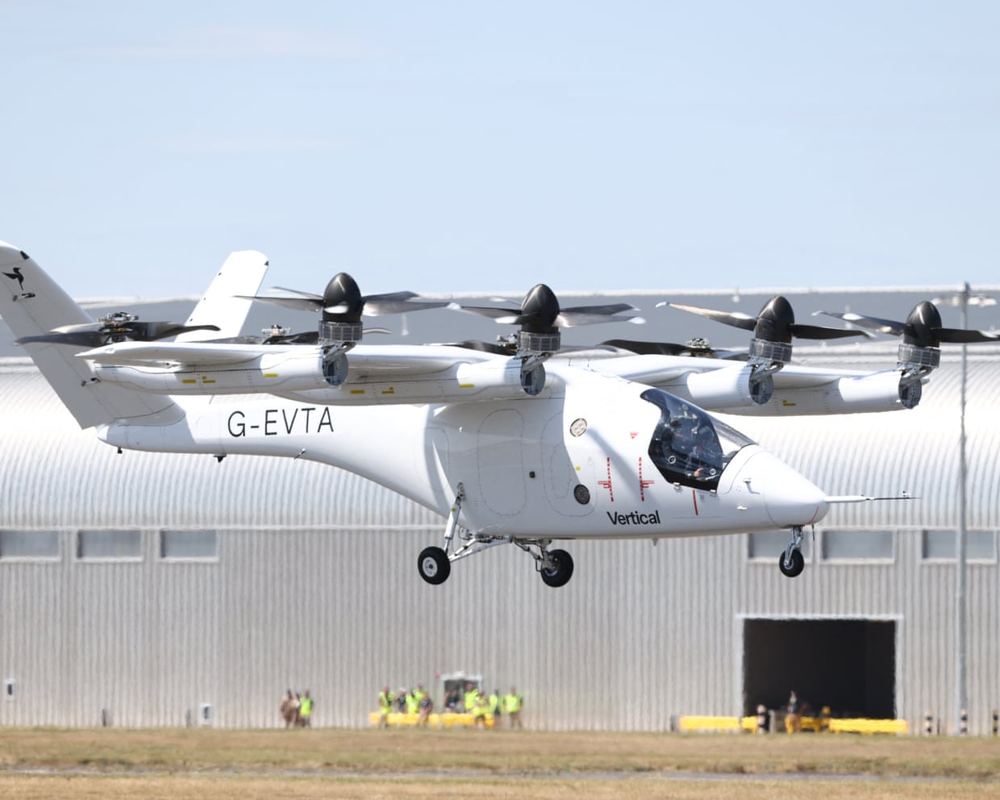
Vertical Aerospace has secured a further £10m in UK government funding and tentative military interest in a hybrid variant, providing a crucial financial and strategic lifeline for the distressed flying taxi startup.
Vertical Aerospace has won a £10m UK government grant and confirmed interest from the Ministry of Defence for a hybrid-electric military variant of its flying taxi. The funding brings total state backing to £48m and is tied to selecting UK sites for new aircraft and battery factories.
The state support marks a stabilisation for a company that nearly collapsed last year. A post-pandemic investment bubble burst, triggering a 2024 cash crisis that forced out founder Stephen Fitzpatrick and handed control to US distressed debt investor Jason Mudrick. Securing defence ties and fresh capital signals a viable survival path despite ongoing commercial delays.
While Vertical’s primary focus remains a zero-emission electric aircraft, it is developing a hybrid system using a gas turbine. Chief executive Stuart Simpson said this creates a "dual use" proposition. "It leverages the commercial airframe, but with a different powertrain, which the military are very interested in," he said. The hybrid model promises a 1,000-mile range alongside low noise and heat signatures.
The announcements coincided with Vertical’s first public demonstration at the Farnborough airshow of its prototype transitioning from conventional wing-borne flight to vertical hover. The manoeuvre is a critical technical milestone for electric vertical takeoff and landing (eVTOL) aircraft aiming to operate in dense urban environments.
Reaching those city centres remains years away. Vertical this month pushed its target for carrying four paying passengers to 2029, having originally aimed for 2025. Simpson attributed the delay to the complexity of certifying a novel aircraft. "I set 2028 hand in hand with them," he said of the UK Civil Aviation Authority and the EU Aviation Safety Agency. "They’re both comfortable with 2029 because they knew they could do 2028."
The latest grant will help Vertical finalise locations for expanded manufacturing. It currently plans to build 150 aircraft annually at its Kemble facility in Gloucestershire, but aims for a larger site capable of producing 1,000 units per year along with battery pack assembly. The company argues that keeping production domestic will streamline the regulatory approval process.
Vertical is racing against well-funded US rival Joby Aviation, which has already conducted public test flights from New York’s JFK airport to Manhattan. Other competitors include Embraer-backed Eve, Archer Aviation and several Chinese manufacturers. With the broader sector struggling to commercialise, government contracts represent a potentially vital revenue bridge.