Nigeria's EFCC targets corporate entities in wave of financial crime prosecutions
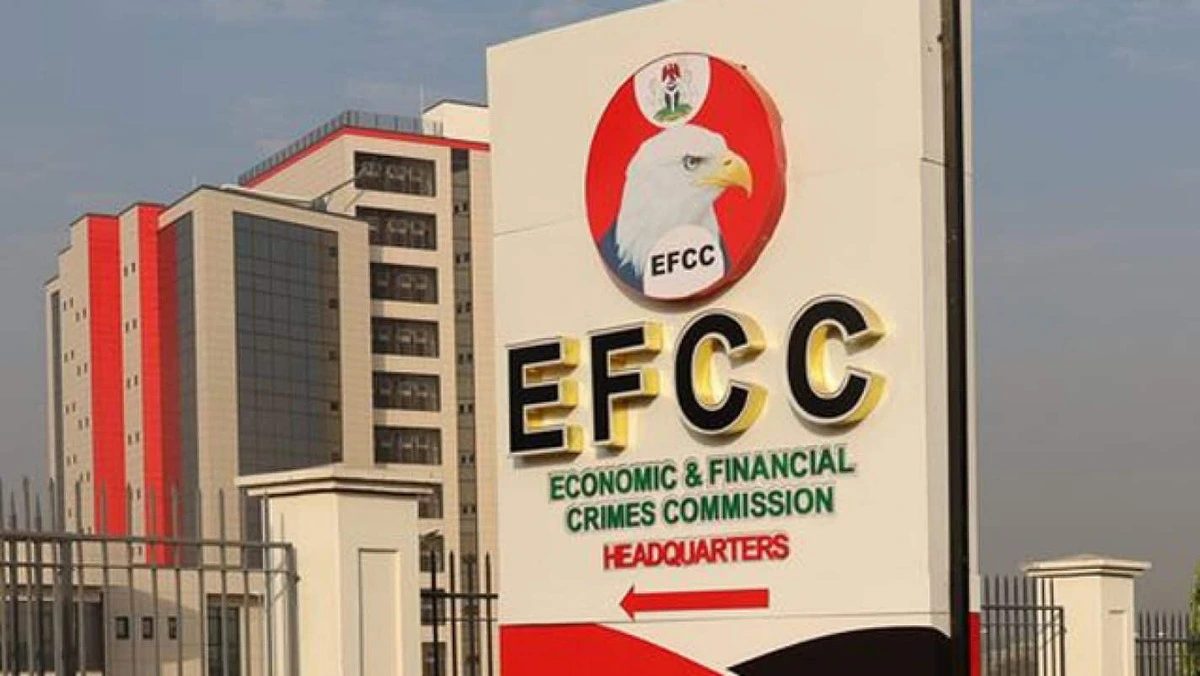
The Economic and Financial Crimes Commission has expanded its enforcement focus from politically exposed individuals to companies across banking, energy and public procurement, raising compliance risks for businesses operating in the country.
Nigeria's Economic and Financial Crimes Commission has mounted a sustained campaign of prosecutions against corporate entities this year, signalling a deliberate shift in enforcement strategy under Executive Chairman Ola Olukoyede. Rather than focusing solely on high-profile individuals, the agency is now pursuing companies accused of serving as vehicles for fraud, money laundering and the diversion of public funds.
The cases span sectors including oil and gas, microfinance, investment management and entertainment, with alleged offences totalling several billion naira. For investors and corporate executives operating in Nigeria, the expanding scope of EFCC action raises the stakes around governance, counterparty risk and regulatory compliance.
Oil and gas sector under scrutiny
Two of the largest ongoing corporate cases involve energy companies. Abu-Haneefa Oil and Gas Ltd and its Managing Director, Musa Farouk Abubakar, face a 15-count charge of conspiracy, corruption and money laundering involving approximately N691.7m. Prosecutors allege that company funds were channelled through corporate accounts into property transactions. The defendants have pleaded not guilty.
In a separate case, Cresco Oil and Gas Limited and its principal, Abdulkarim Muhammad Arome, are accused of fraudulently converting N337m belonging to Lotus Bank between 2022 and 2023. A co-defendant, Peter Daniels Prosper, remains at large. The court has remanded the defendants and scheduled trial to begin in October 2026.
Public procurement and corporate networks
One of the most significant prosecutions involves the Nigerian Railway Corporation, where the EFCC alleges procurement-related corruption totalling over N2.04bn. Three senior officials face charges of abuse of office and money laundering, but the case also implicates a network of contractors and businesses that allegedly secured public contracts through illicit payments.
Felix Njoku, a former Finance Director of the Nigerian Railway Corporation, is separately accused of receiving N240.9m from NRC contractors through the bank account of his company, FC Njoku and Company, held at Zenith Bank Plc.
Private investment and financial services
The agency is also targeting alleged abuses in private capital markets. Intermediate Investment Holdings Ltd and Ufoma Joseph Immanuel were arraigned in March 2026 over an alleged $1.5m investment fraud involving Adebisi Adebutu of R28 Holdings Limited. Prosecutors say investors were induced by false representations connected to energy-sector investments.
In the financial services sector, Blessing Gozi-Anyaokei, Managing Director of Viscount Microfinance Bank, faces charges of illegally converting N19m and $30,000 entrusted by an investor. The court has restricted her from travelling outside Nigeria without permission.
Scale of alleged fraud
Among the largest private-sector cases, Chayomi Aluminum Limited and alleged fraudster Titilayo Eboh face charges over a purported N1.87bn foreign exchange fraud. Prosecutors allege the defendants collected funds under the false pretence of exchanging them at N420 per US dollar.
The EFCC has also arraigned Sarumi Samusideen Babafemi alongside his companies, 606 Autos Limited, 606 Music Limited and Splash Off Entertainment Limited, over the alleged concealment and transfer of N206m in criminal proceeds between 2013 and 2018.
All cases remain before the courts. The defendants are presumed innocent unless proven guilty.