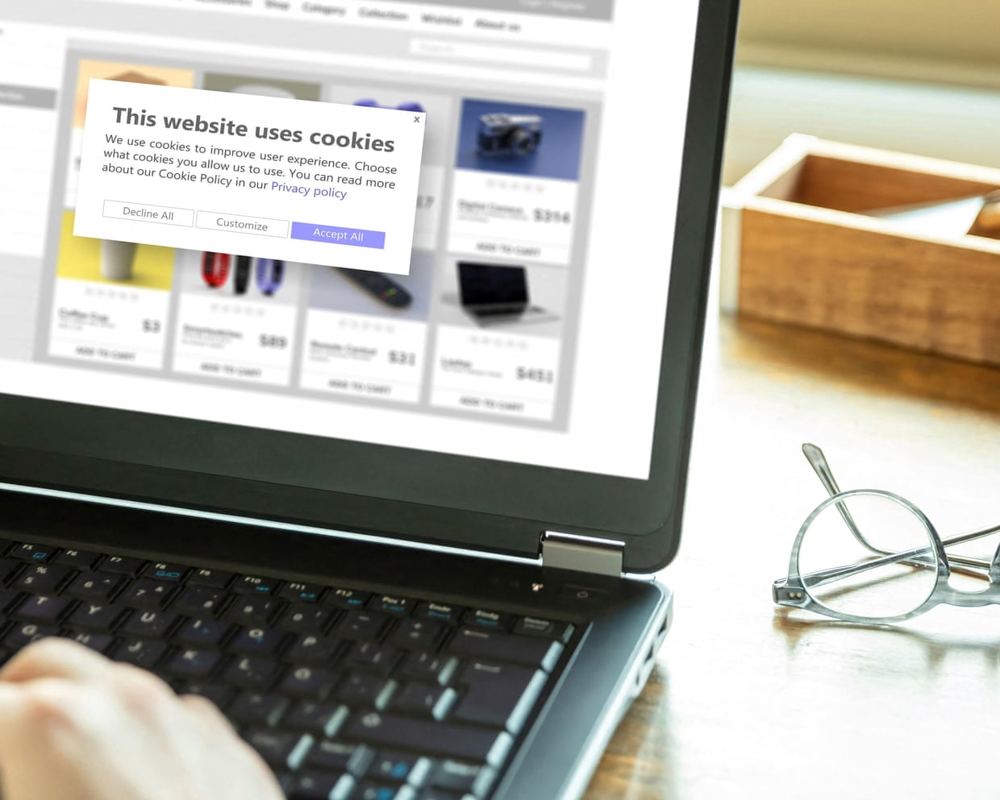
Cookie theft: how fraudsters get the digital key to your accounts
‘Session cookies’ are a primary target for hackers letting them hijack and use your accounts You’ve had a busy morning of life admin, logging into various accounts to check balances and make payments. At the end of a productive few hours you close your laptop and move on to your next job. What you don’t know is that fraudsters have hijacked your session with the bank and are now able to access your account. You are the victim of cookie theft, which belongs to a type of fraud known as “session hijacking”. Continue reading...
You’ve had a busy morning of life admin, logging into various accounts to check balances and make payments. At the end of a productive few hours you close your laptop and move on to your next job.
“They don’t need your password, they don’t trigger a login alert, and they can often bypass your multifactor authentication (MFA).”
It looks like a regular session on the web. At some point you will have logged in and given your password, and maybe used MFA to prove it’s you.
If it’s a social media or email account you may discover it’s been used by scammers to trick other people . If it’s your bank they could access your account, or they could use details they find to perpetrate an impersonation scam .
And if you were shopping online, the fraudsters could change and redirect your order and charge it to your saved payment details.
You may be alerted by a security alert from a site, for example, a message asking if you have tried to change any details.
Be really careful about the extensions and software you download, because that’s where infostealer malware will usually be hidden.
Look out for signs that your laptop or phone has been infected with malware. Briedis says red flags include your device suddenly struggling with simple tasks, a battery that drains faster than it should, frequent crashes, or a browser that starts behaving oddly with redirects, pop-ups, or a changed homepage.
He suggests moving passwords out of your browser and into a dedicated password manager.
If you suspect you have been compromised, run an antivirus scan. Also log out of your accounts on every device and change your passwords.
Use MFA on accounts, as it does still offer more protection than a simple password.