USCIS Filing Deadline Rule Tightens Oct 23
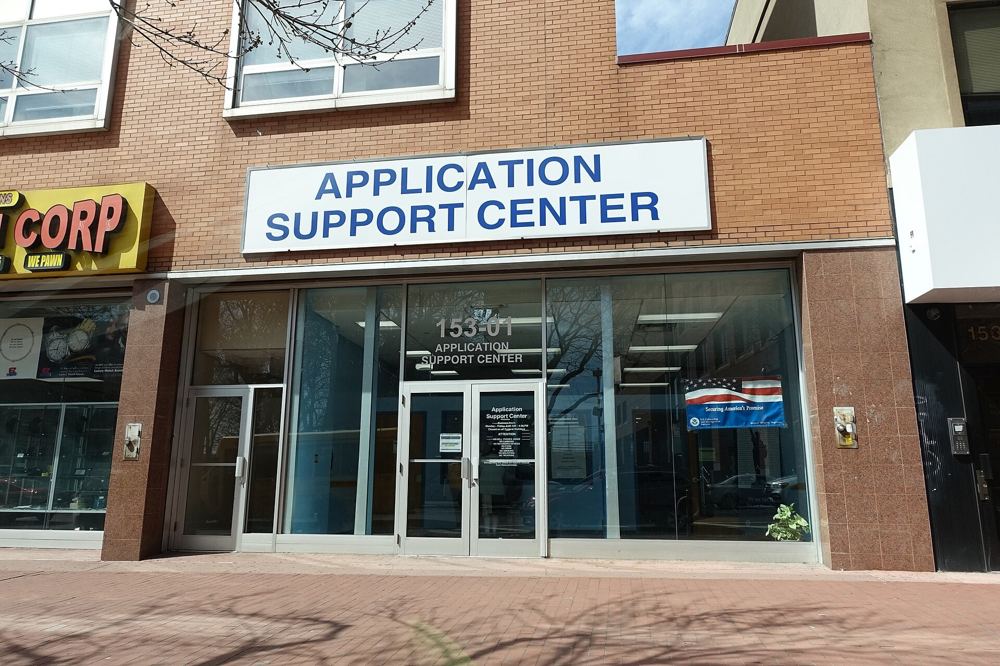
USCIS no longer gives an extra business day when an age or eligibility cutoff falls on a weekend or holiday, for paper filings received from 23 October. The post USCIS Filing Deadline Rule Tightens Oct 23 appeared first on The Rio Times .
The US immigration agency USCIS ended a weekend and holiday grace period for some filings on Friday 23 October 2026, so a USCIS filing deadline tied to a birthday or another eligibility cutoff no longer moves to the next business day. The change, issued as Policy Alert PA-2026-15 on Wednesday 23 September 2026, applies to paper filings that USCIS receives from that date.
For US readers the practical point is that a family, employer or lawyer who counted on Monday as a safety net must now file earlier. Ordinary deadlines counted in days are untouched, so the change bites only when the cutoff is an age or another eligibility event.
The Cuban news site Períodico Cubano reported on Friday that the change may affect Cuban families who manage immigration benefits for their children and young people close to an age limit. The policy covers every nationality, and none of the sources reviewed says Cubans are singled out.
Reddy Neumann Brown, a US immigration law firm, says Policy Alert PA-2026-15 is titled “Definition of Day for Purposes of Filing Deadlines” and was issued on 23 September 2026. It reverses guidance USCIS adopted in 2023, which La Nación dates to March 2023 and which let certain eligibility-related deadlines move to the next business day.
USCIS says it is returning to its longstanding reading of the regulatory definition of “day” and aligning with recent case law, according to NepYork, a nonprofit news site that covers US immigration for Nepali Americans. The guidance is to be added to Volume 1 of the USCIS Policy Manual and supersedes related earlier guidance.
The rule applies only to paper filings that USCIS receives on or after Friday 23 October 2026. Argentina’s La Nación and the Dominican Republic’s Diario Libre give the same effective date.
A USCIS filing deadline that a statute, regulation or form instruction states as a number of days keeps the old treatment. Calendar days still include Saturdays, Sundays and federal holidays, but if the last day falls when USCIS accepts no paper filings, a filing received by the end of the next business day is timely.
NepYork relays a USCIS example in which a green card application (Form I-485) was denied on 2 August 2022 and the notice was served by mail. The appeal window on Form I-290B is 30 days for in-person service and 33 days for mail, so the last day was Sunday 4 September, followed by the Labor Day holiday on 5 September, and a filing received on Tuesday 6 September counted as timely.
Reddy Neumann Brown adds that a 30-day answer to a Request for Evidence, which asks an applicant for missing documents, counts weekends and holidays inside the 30 days. The firm advises treating a status expiry date as a hard deadline and building a buffer rather than filing on the last day.
The biggest change hits deadlines tied to an eligibility event rather than a count of days, such as filing before a 21st birthday. If that birthday falls on a Saturday, Sunday or federal holiday, the petition must still be received before it, with no extra business day.
NepYork cites Special Immigrant Juvenile petitions, which generally must be filed before the applicant turns 21, as an example with no next-business-day extension. La Nación says these petitions are filed on Form I-360 and that a petition received after the maximum age can leave the applicant ineligible.
Reddy Neumann Brown applies the same logic to an H-1B worker whose Form I-94 arrival record expires on Saturday 14 November 2026. The firm says such a worker’s employer should not assume a petition delivered the following Monday is on time, because an extension of stay is generally expected to be filed before the current status ends.
USCIS treats an electronic filing as received the moment it is submitted, including on weekends and holidays, so no next-business-day extension applies, according to NepYork. Applicants who file online must therefore submit by the actual deadline.
For paper filings the date of receipt counts, not the postmark, according to La Nación and Períodico Cubano. La Nación advises tracked courier delivery, since mailing a package before the deadline does not by itself make it timely.
NepYork reports that USCIS acknowledged the reversal could affect filings planned under the 2023 policy but said one month of notice was enough. The agency also noted that some benefits, including certain asylum matters, follow separate regulations that this guidance may not cover.
Separately, the Department of Homeland Security published a final rule in the Federal Register on Wednesday 14 October 2026 (91 FR 65306), titled “Removal of Automatic Extensions for Certain Employment Authorization Documents.” It took effect the same day and confirms an interim rule of 30 October 2025 that ended automatic extensions of work permits for people who file a timely renewal in certain categories.
The rule’s own preamble says DHS had earlier allowed an automatic extension of up to 540 days for some renewal filers. Períodico Cubano links the two changes and advises affected immigrants, including Cubans with pending applications, to renew early.
Families with a young person nearing 21 should count back from the birthday and file at least one business day before the USCIS filing deadline, ideally by tracked courier or online. This article is news reporting, not legal advice, so anyone with a live deadline should check the policy text with an immigration attorney.
Employers and workers face the same discipline for visa expiry dates that fall on a weekend or holiday. For related Cuban migration coverage, see Cuban Green Card Approvals Fall to 139 and Cuba Tops Mexico Asylum Claims at 34,634 .
Readers who follow the island itself can start with our guides Cuba’s Role in Latin America Explained and Cuban Politics and Government 2026 . Those who live in South Florida will find day-to-day context in our Miami expat city guide .
USCIS’s own policy alert could not be opened for this article because the agency’s website refused automated access. The title, number, dates and examples therefore rest on a law firm, a nonprofit newsroom and two Latin American newspapers, which agree with each other, and on the Federal Register for the work permit rule.
No source reviewed gives the number of applicants likely to lose a filing, and none gives a Cuban figure. The coverage contains no Cuba-specific provision, and no source mentions a court challenge to the change.
USCIS stopped giving an extra business day to paper filings whose deadline is an age or other eligibility cutoff falling on a weekend or federal holiday. The change comes from Policy Alert PA-2026-15 and reverses 2023 guidance.
Deadlines that a statute, regulation or form instruction states as a number of days, such as 30 days to answer a request for evidence. If the last day falls when USCIS accepts no paper filings, a filing received the next business day is timely.
Applicants whose eligibility depends on filing before an age limit, such as Special Immigrant Juvenile petitioners who must file before turning 21. A 21st birthday on a weekend or holiday no longer buys any extra time.
Online filings were never given a next-business-day extension, because USCIS treats them as received the moment they are submitted. Applicants must file online by the actual deadline, even on a weekend or holiday.
No source reviewed says so, and the policy applies to every nationality. Períodico Cubano reported that it may affect Cuban families who manage benefits for their children.
Sources: Federal Register, final rule 2026-20955, 14 October 2026 ; NepYork, 23 September 2026 ; Reddy Neumann Brown PC, 6 October 2026 ; La Nación, 23 October 2026 ; Diario Libre, 9 October 2026 ; Períodico Cubano, 23 October 2026 .
Editorial responsibility: Matthias Camenzind , Editor-in-Chief · Editorial standards · Report an error